



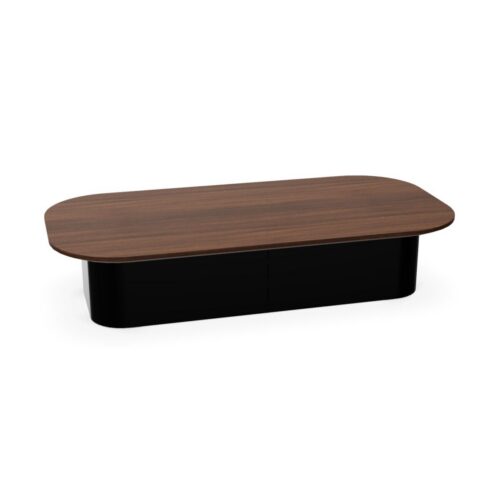


Positioning lounge furniture with oval tops and transparent surfaces
Set the oval's direction in relation to the seating before considering decorative details. An arrangement facing along the room will read differently from one placed across it. Compare both orientations on the same plan, keeping the surrounding seats in realistic positions. Look at how the ends relate to neighboring routes and how the sides face the main seats. The aim is to establish a coherent relationship between the top and its setting. Avoid choosing an orientation solely because it follows a wall if that position creates an awkward relationship with the seating.
Include the Floor in the Composition
A transparent surface leaves the view beneath it relevant to the overall design. Assess any floor pattern, color change or rug boundary that appears through the top. A line that seems incidental on an empty plan may become prominent when framed by an oval outline. Consider whether that relationship should be aligned, deliberately offset or moved out of the main view. Transparency does not identify the material or establish how the surface should be maintained. Keep those questions separate from the visual task of coordinating the top with what can be seen beneath it.
