


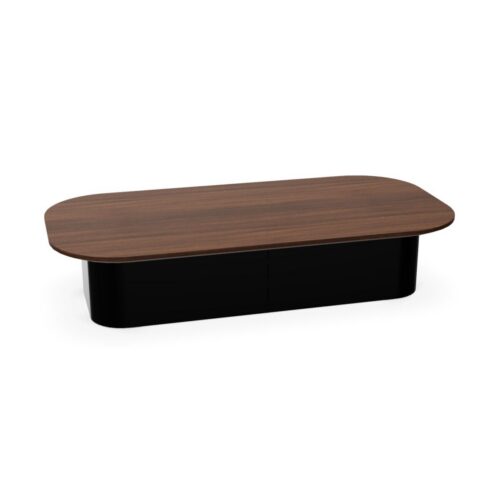


Orienting lounge furniture with square tops and transparent surfaces
Decide which lines the square should follow. Aligning it with the main seats can establish a clear relationship within the group, while aligning it with the room may connect it more closely to the wider interior. Where those directions differ, compare both positions before committing to either. A rotated square also changes where its corners sit, so the decision extends beyond appearance. Mark the outline on the room plan and review it alongside realistic seating positions. Avoid using rotation merely to fill an empty area without checking how the complete arrangement will be approached.
Check Diagonal Movement Around the Group
Square outlines deserve attention where people approach diagonally. Trace the route from the entrance to each seat, including any turn made near a corner. Also review movement past the group toward adjacent areas. The transparent surface may allow the background to remain visible, but the furniture still occupies its place within the room. Check the perimeter against the floor from normal viewpoints. If several seating groups repeat the same arrangement, examine the routes between them as well. Repetition should follow a clear layout decision rather than conceal an unresolved corner relationship.
