

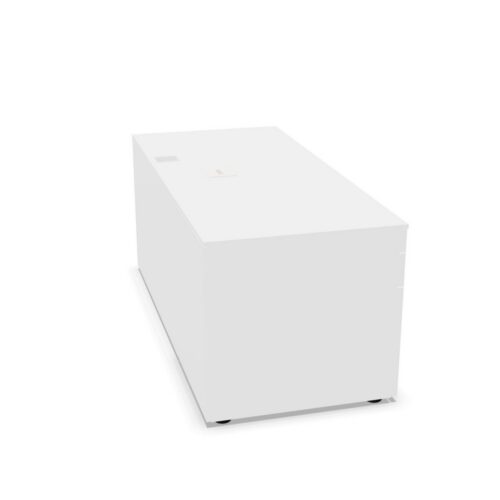
Lounge Furniture With Rectangular Tops and Plastic Bases

Lounge furniture with rectangular tops and plastic bases deserves a whole-table review when planning a sofa-led seating area. The rectangular top establishes a direction within the group, while the plastic base forms a separate element below it. Compare how those two parts relate before deciding on placement. A useful starting point is the relationship between the longer tabletop edge and the seats it is intended to serve, followed by the approaches at either end.

This combination can be considered for a reception conversation setting or an informal staff lounge, with the specific arrangement guided by the room. Plastic identifies the base material without establishing its finish, configuration, or handling characteristics. Assess the actual support alongside the surface outline. Looking at both from each seat and from the surrounding routes helps clarify whether the table’s position supports the intended use of the group and gives each approach a considered place in the plan.

4 models
From €19.95 p/m

Place lounge furniture with rectangular tops and plastic bases

Start with the direction established by the main seating. A rectangular table may follow that direction or introduce another, depending on how the rest of the group is organized. Compare the longer edges against the seats and the shorter edges against the entrances to the arrangement. Treat these as related decisions. A position that looks aligned from the front may create a less direct approach at one end, especially where the lounge connects to a busy route through the room.

Define how the shared surface will be used

Identify the activity before comparing positions. A table involved in a visitor conversation has to relate to the seats participating in that exchange. If the surface is intended for occasional personal items, decide which seats it serves rather than assuming it belongs equally to the whole group. This distinction guides placement without requiring assumptions about the furniture. Review the arrangement from each intended seat and note where the table feels separate from the activity it is meant to accompany.

Separate the base material from its design

Plastic does not specify the outline or construction of the support. Examine the actual base, including the relationship between its visible parts and the rectangular surface. Check the areas beneath the ends, where people may approach a seat, and beneath the longer edges, where seated feet may be positioned. Assess the composition from the room entrance as well. The aim is to understand how the support occupies the space, rather than assigning properties to the table from the material name alone.

Compare complete arrangements in a fixed order

Evaluate lounge furniture with rectangular tops and plastic bases by reviewing use, alignment, end access, and support placement. Keep the seating plan consistent so differences between alternatives remain clear. If moving the table changes which seats can reasonably share the surface, revisit the activity brief before continuing. Finish by tracing the route into and out of the group from both ends. This final review brings the directional tabletop shape and the actual base into the same planning decision.

Frequently asked questions

What should be checked at the ends of a rectangular table?

Review the approaches to nearby seats and the routes past the group. Include the base in that assessment, because the tabletop outline does not show everything below it. Check each end individually; the surrounding room may create different conditions on either side.

Does a plastic base establish whether the table is easy to move?

No. The material description does not establish handling characteristics. Base the layout decision on the actual table and the intended arrangement. Avoid making movement part of the plan unless that requirement has been assessed separately for the furniture being considered.

How can the comparison stay focused on the combination?

For lounge furniture with rectangular tops and plastic bases, examine the directional top and the actual support together. Use the same seating positions and intended activity throughout. This makes the relationship between surface, base, and room easier to judge without unrelated layout changes.

Explore related selections