

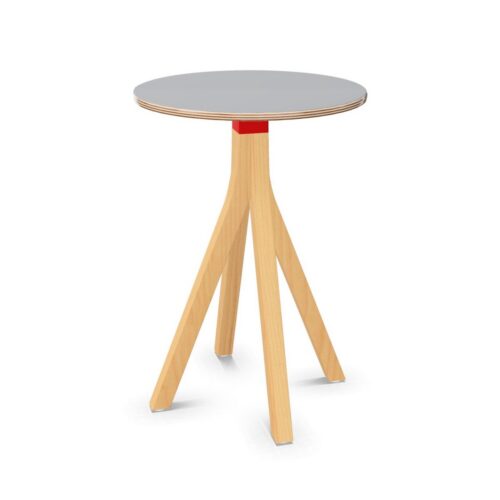
Lounge Furniture With Round Tops and Wood Bases

lounge furniture with round tops and wood bases combines a circular surface with a wood-colored base. The top can be considered in relation to seating facing several directions, while the base introduces a color connection to the surrounding interior. Review the wood tone as an appearance rather than assuming it identifies a particular material or construction.

For an informal meeting area or reception lounge, start with the people and seats around the circle. Establish where users approach, which seats need a relationship to the surface, and how the group sits within the room. Then assess the base color alongside the floor and nearby furniture. A circular top does not require a circular room or a perfectly symmetrical arrangement, but its position should be intentional. Comparing the seating relationships and wood-colored detail together helps define a coherent place for the furniture within the wider workplace.

4 models
From €35.51 p/m
3 models
From €5.13 p/m
12 models
From €12.07 p/m
2 models
From €24.29 p/m
5 models
From €22.26 p/m
2 models
From €8.28 p/m
€15.29 p/m
2 models
From €12.24 p/m
18 models
From €14.70 p/m

Grouping lounge furniture with round tops and wood bases

Plan the seating positions before deciding where the circle belongs. A round top has no long side to establish the group's direction, so the seats and surrounding architecture provide the reference. Consider whether the arrangement faces inward, opens toward an entrance, or sits beside a main route. Then locate the top in relation to those choices. The wood-colored base should be reviewed within the same composition, including how its tone appears between the seats and against the floor beneath the group.

Connect the base color to the interior

Compare lounge furniture with round tops and wood bases with the actual colors already present in the room. A base can relate to a door, a floor tone, or another furnishing without matching every wood-colored element. Decide which relationship matters most, then check whether the remaining tones sit coherently alongside it. Avoid using color as evidence of material composition. The relevant decision here concerns the visible wood tone and its place in the room's palette, rather than an assumed species, finish, or method of construction.

Test the relationship from every seat

With lounge furniture with round tops and wood bases, equal distances on a plan do not settle how the arrangement will be used. Review the edge presented to each seat and the route people take to reach that position. A sofa and separate chairs may need a different arrangement from a group of individual seats. Check whether someone can approach while others remain seated. Keep circulation outside the immediate relationship between people and the surface, so the group can be used without repeatedly interrupting a conversation.

Compare symmetry with a more open arrangement

Assess lounge furniture with round tops and wood bases in more than one seating composition when the room allows it. A symmetrical group can create a clear inward focus, while an open side can relate the lounge to its entrance or neighboring area. Judge these options against the intended use rather than a preference for symmetry alone. Keep the base color consistent during the exercise so that layout differences remain clear. Review the visible base from the open side, where it may contribute more strongly to the room's overall appearance.

Frequently Asked Questions

Must seating be equally spaced around the top?

No. The intended use and approach routes should guide the arrangement. Unequal spacing may suit a sofa and chairs, provided every intended seat has a practical relationship to the surface and people can enter and leave the group.

How should different wood tones be compared?

For lounge furniture with round tops and wood bases, choose a primary color reference in the room. Compare the base against that reference and neighboring tones together. Review the relationship in the intended location rather than expecting every wood-colored element to match.

Does the round shape determine the base layout?

No. The tabletop outline and base arrangement are separate considerations. Review the actual base outline when planning seating access and the space beneath the surface. Neither the circular top nor the wood color establishes where base elements will sit.

Explore related selections