



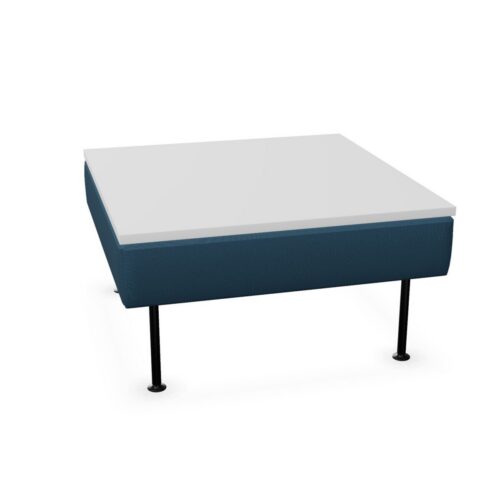


Coordinating lounge furniture with square tops and wood bases
The square top introduces a clear set of edges that can follow the principal direction of the seating group. Choose that direction before judging the base color, so the furniture has an established place within the room. Review whether each seat faces an edge or approaches a corner, and consider how that relationship supports the intended use. Then assess the wood-colored base within the same arrangement. Its visible tone should be considered alongside the square outline rather than treated as a separate decorative decision.
Choose a wood-color reference
When assessing lounge furniture with square tops and wood bases, identify the interior element that provides the most useful color reference. It may be nearby furniture rather than the floor, particularly when the seating group connects to an adjoining area. Compare the tones together under the room's lighting. Matching every wood color is unnecessary, but a deliberate relationship is valuable. Keep the discussion focused on appearance, without inferring a material, species, surface treatment, or construction detail from the wood-colored description.
Review corner positions before rotating the top
A change in orientation can alter how lounge furniture with square tops and wood bases relates to both seats and walking routes. Rotation moves the corners and changes which edges face users. Compare the consequences across the whole group rather than focusing on a single approach. Trace routes from the entrance to each seat, including the turns around adjacent furniture. An orderly plan should also be practical when people are already seated, so check that access does not depend on moving the table or crossing another user's immediate space.
