

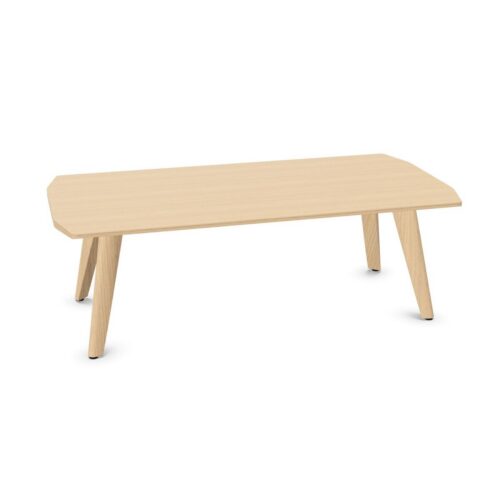
Lounge Furniture With Rounded Both Sides Tops and Wood Bases

lounge furniture with rounded both sides tops and wood bases brings a curved tabletop outline together with a wood-colored base. In a reception lounge or informal meeting area, that pairing deserves attention from both above and across the room. The rounded sides influence how the top relates to surrounding seating, while the base introduces a separate color reference near the floor. Treat wood as a color direction here; the description alone does not establish the base material.

Begin with the arrangement around the table. Consider where people approach, which seats face the rounded sides, and whether the table sits within a group or beside a route. Then assess the wood tone against the floor and nearby furniture. A coordinated result depends on the relationship between the curved outline and the base color, rather than either attribute in isolation.

2 models
From €25.77 p/m
4 models
From €35.51 p/m
5 models
From €22.26 p/m

Planning lounge furniture with rounded both sides tops and wood bases

Start with a plan view showing the top in its intended orientation. Rounded sides can read differently when presented toward seating, across a room, or along a circulation route. Identify the principal approach and decide which view should organize the arrangement. Do not infer the entire outline from the description of its sides.

Review the space around the complete table, including its base. The tabletop outline and the support below it may occupy different areas. Position surrounding furniture with both in mind, and check how the arrangement works when people enter, leave, or move between adjacent seats.

Use wood color as a connecting detail

The base color can connect the table visually with existing wood tones, but an exact match is not always necessary. Compare undertones first. A reddish floor and a more yellow base may appear different even when both are described as wood-colored. Assess the relationship under the lighting used in the room.

When comparing lounge furniture with rounded both sides tops and wood bases, decide whether the base should blend into its surroundings or remain visibly distinct. Repeating a related tone elsewhere can give the choice context. Avoid assuming that a shared color description guarantees a matching appearance or the same material.

Relate the curved sides to seating positions

Place the top in relation to the seats that will use it. A rounded side facing an armchair creates a different composition from the same side facing an open aisle. Consider the view from each seat and the position of the table relative to the group as a whole.

For an elongated seating arrangement, examine whether the orientation follows the seating line or cuts across it. For a more enclosed group, check whether the table appears balanced between its neighbors. These are layout decisions; the rounded description alone does not establish suitability for every arrangement or activity.

Compare the outline and base together

A top viewed from above may seem visually prominent, while its base becomes more noticeable from a seated position. Review both perspectives before settling on the composition. Ask whether the wood color reinforces the room's palette and whether the curved sides have a clear relationship with the furniture around them.

Assess lounge furniture with rounded both sides tops and wood bases within the full setting. Include floor patterns, nearby edges, and the direction of the main walkway. Where several curved elements already meet, a simpler surrounding arrangement may make the table's outline easier to read without adding competing shapes.

Frequently asked questions

Does a wood-colored base mean the base is made of wood?

No. Wood describes the selected base color. Establish the actual material separately when evaluating lounge furniture with rounded both sides tops and wood bases. Color and material should remain separate considerations in the project brief.

Which direction should the rounded sides face?

Use the seating arrangement and principal approach to guide orientation. Review the table from the entrance and from surrounding seats, then check that the complete outline sits coherently within the group.

Should the base match the floor exactly?

An exact match is optional. Compare undertones and visual contrast, then decide whether the base should relate closely to the floor or appear as a separate element within the lounge palette.

Explore related selections