

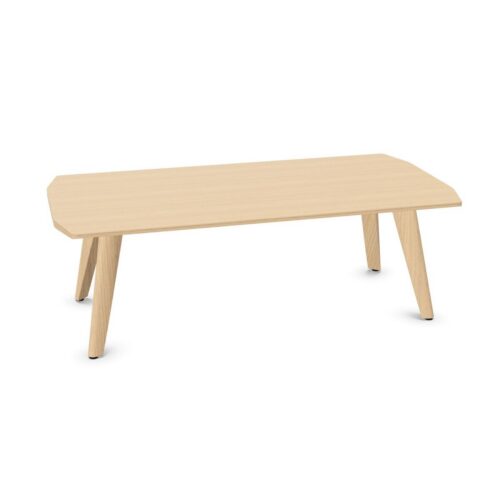
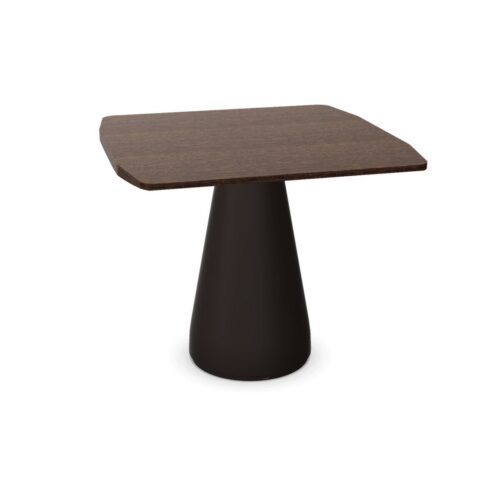
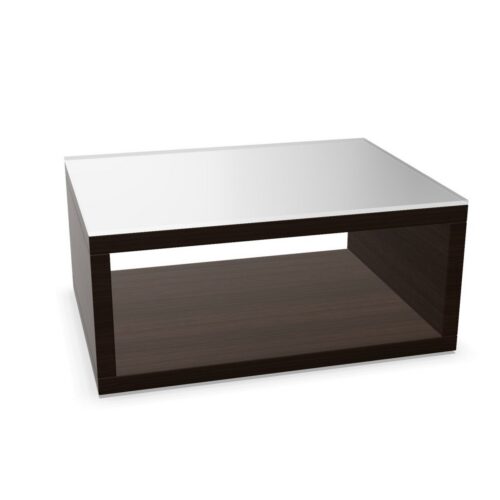
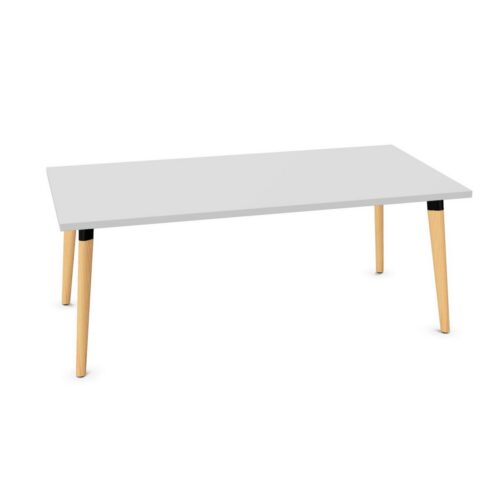
Lounge Furniture With Rectangular Tops and Wood Bases

lounge furniture with rectangular tops and wood bases pairs a directional top with a wood-colored base. The rectangular outline gives the seating group a clear long direction, while the base color offers a visual connection to other wood tones in the room. Treat that color relationship separately from material: the appearance of the base does not by itself establish its composition.

This combination is useful to assess where a sofa or a row of seating creates a strong line within a workplace lounge. Start by relating the long edge to the intended users, then review the two ends against nearby circulation routes. Consider the wood color alongside doors, flooring, and other established interior elements. Exact color matching is only one approach; the practical aim is a deliberate relationship between the rectangular form, the seating plan, and the tones already present in the space.

5 models
From €12.21 p/m
3 models
From €2.38 p/m
2 models
From €25.77 p/m
2 models
From €11.99 p/m
4 models
From €35.51 p/m
3 models
From €5.13 p/m
€4.65 p/m
2 models
From €5.62 p/m
€15.83 p/m
2 models
From €24.50 p/m
12 models
From €12.07 p/m
5 models
From €22.26 p/m
3 models
From €9.02 p/m
2 models
From €16.34 p/m
18 models
From €14.70 p/m

Arranging lounge furniture with rectangular tops and wood bases

Use the long direction of the top to establish a clear relationship with the seating group. It may follow a sofa or sit between facing seats, depending on how the area will be used. Check every intended seat rather than assuming the central position represents the whole group. The wood-colored base contributes another layer to the arrangement, connecting visually with other tones below the seating line. Assess both elements together from the entrance and from the seats that will surround the surface.

Build a deliberate relationship between wood colors

For lounge furniture with rectangular tops and wood bases, compare the base color with established interior elements rather than trying to match a generic idea of wood. Examine whether neighboring tones are lighter, darker, or visibly different in hue. Decide whether the base should continue an existing color relationship or introduce a considered contrast. Keep material assumptions separate from this decision. A wood-colored appearance is a visual attribute, and it should not be used to infer construction, surface treatment, or maintenance requirements.

Give both ends a circulation check

The ends of lounge furniture with rectangular tops and wood bases can influence how people enter and leave the seating group. Trace the main route past the furniture, then the approach to each seat. Check where visitors turn and where personal belongings may be placed during a pause. Do not rely on the long edge being well aligned if an end interrupts a commonly used route. Adjust the relationship between the table and the seating until the arrangement makes sense both for seated use and movement around the group.

Balance the base with neighboring furniture

Assess lounge furniture with rectangular tops and wood bases alongside the visible lower parts of nearby seating. The base color may repeat a tone already present or become a separate visual element. Review how much of it is visible from each direction and whether the arrangement places too many competing lines beneath the top. Keep the surrounding furniture positions consistent when comparing alternatives. This makes it easier to judge whether the rectangular orientation and wood-colored base support the same overall composition, rather than making unrelated decisions about shape and color.

Frequently Asked Questions

Does the wood color need to match the floor?

No. A deliberate difference can work within a considered palette. Compare the actual tones in the room and decide which element should lead. Review the result under the intended lighting rather than assuming similarly named colors will appear identical.

Does the phrase wood bases establish the material?

Here, lounge furniture with rectangular tops and wood bases refers to the wood-colored base appearance. Material composition requires separate confirmation and should not be inferred from the color description when evaluating the furniture for a particular workplace setting.

What should guide the top's orientation?

Begin with the seating positions and their intended relationship to the surface. Then check the routes around both ends. The most useful direction is the one that supports the group while fitting coherently within the room's wider circulation plan.

Explore related selections