






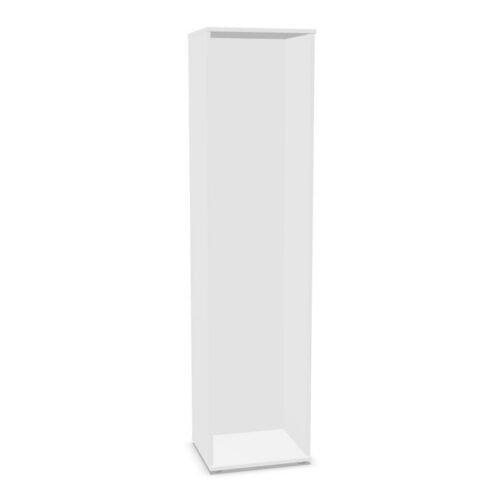


Assess white office cabinets in their setting
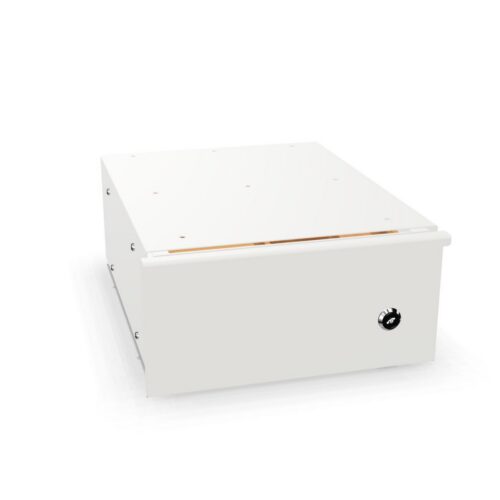
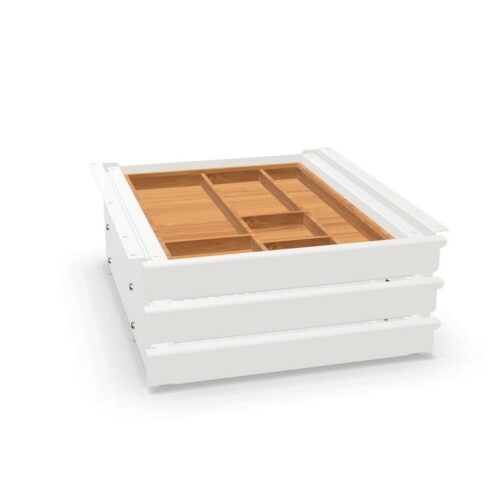
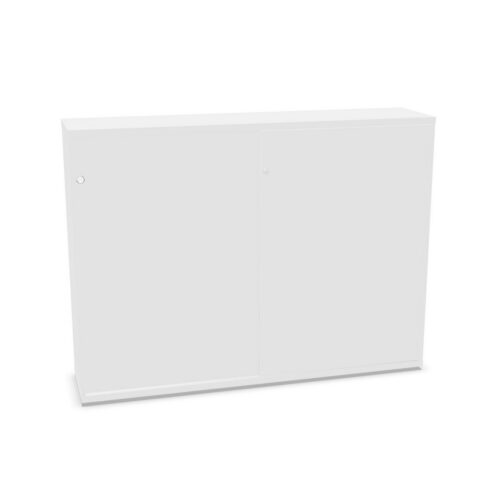
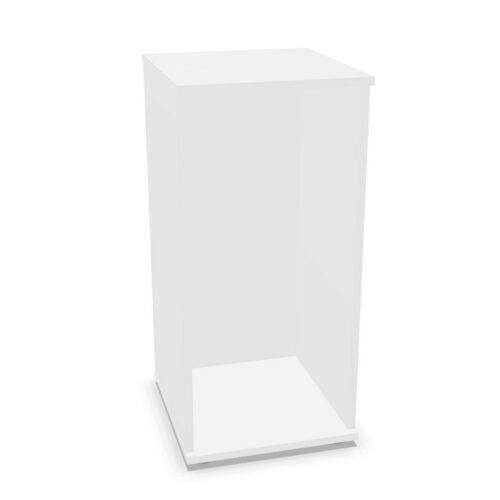
White is often chosen to maintain a light visual impression, but the overall effect depends on the nearby finishes and the specific product. Compare the cabinet with the flooring, walls, desks and storage that will remain in the room. Consider whether it should visually recede or be clearly defined against its surroundings. The product imagery and finish description provide a better comparison than the colour name on its own.
For a larger workspace, decide whether white should be used consistently or mixed with other finishes. Repeating the colour can connect separate areas, while a different tone may help distinguish a shared resource point. Keep the same reference materials for each candidate and review images together. This makes differences easier to notice and can help the team align on a coherent furniture plan.
Organise the cabinet around its role
Before choosing a cabinet, decide what should go inside it and who will need access. A unit for documents may need a different organisation plan from one holding shared supplies or personal work materials. Compare the product’s described interior with those requirements and check the opening style. Product details can differ even when cabinets share a similar appearance, so confirm the specific configuration for every option.
Where the cabinet will be shared, agree how contents should be grouped and returned. A simple arrangement helps people locate common items and keeps the storage useful over time. Consider whether the cabinet serves one work group or several, and whether its location is convenient for those users. This creates a clearer practical brief and reduces the chance that a visually appealing option proves awkward in daily use.
