

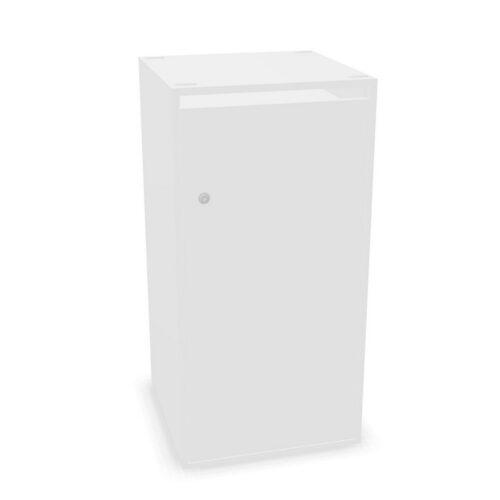
Office Cabinets with Metal Doors

Office cabinets with metal doors provide a specific material choice for workplace storage. Consider how the door material relates to the surrounding furniture and the requirements of the project. The description covers the doors, not every part of the cabinet, so review the individual product information for its full construction, interior arrangement and opening style.

Include the intended location and users in the final review.

The office layout and contents should guide the decision.

Assess the stated material alongside the product’s complete arrangement and the tasks its users need to carry out.

Define the storage task before comparing options. Identify the items involved, who needs access and how the cabinet will be positioned. Checking the product-specific details against those requirements helps select metal-door cabinets that suit the office routine as well as the design brief.

4 models
From €13.90 p/m
5 models
From €6.95 p/m
4 models
From €6.01 p/m
2 models
From €0.96 p/m
3 models
From €1.78 p/m
2 models
From €7.56 p/m
5 models
From €15.31 p/m
10 models
From €3.42 p/m
3 models
From €8.38 p/m
10 models
From €4.96 p/m
2 models
From €6.38 p/m
3 models
From €2.58 p/m
3 models
From €16.97 p/m
13 models
From €3.20 p/m
39 models
From €5.17 p/m
2 models
From €7.99 p/m

Assess metal doors within the furniture scheme

Compare the cabinet’s imagery and stated door material with the furnishings and finishes in the intended room. Consider whether metal should coordinate with other elements or create a distinct contrast. Product details can vary, so use the individual description to understand what the material label covers. This helps keep the design decision accurate and tied to the actual cabinet.

If several units are planned, decide whether the metal-door material should be consistent across them. A unified approach may help the storage feel connected, while different materials can serve different areas. Consider how visible each cabinet will be and which users will be closest to it. Applying the same design criteria to each option can make the comparison clearer.

Check the interior and access routine

Start with the intended contents and the people who need to reach them. Review the cabinet’s internal configuration and opening method, then assess whether these details fit the work routine. Door material does not define the interior, so confirm shelves, compartments or other features only from the product information. This helps avoid assuming that similar metal-door cabinets share the same setup.

For shared storage, agree what belongs in the cabinet and how items should be grouped. Decide who will maintain the arrangement and whether the cabinet serves one team or a common area. A clear routine can help colleagues locate and return materials. The position of the cabinet should reflect these users and the frequency with which they access its contents.

Choose a practical location

Consider where the cabinet will stand relative to workstations and routes through the office. Think about how users approach it and whether the opening method suits the available space. Check product-specific placement guidance before making a decision. The material choice should work within the overall layout and should not distract from the practical requirements of access.

When comparing office cabinets with metal doors, assess the documented material, full interior, access needs and location together. Keep product-specific questions visible and confirm any details that matter. This makes it easier to select storage that fits the intended use and the office scheme. A considered comparison supports a cabinet that works for its users and relates naturally to the surrounding furniture.

Metal is a specific description of the doors, while other parts of the product may use different materials. If the project requires a particular construction throughout, verify it directly from the product information. Also consider how the door material will look beside desks, partitions and other cabinets. A close match may create continuity, while a contrast can help distinguish a storage point. The decision should reflect the room’s overall intent and the practical needs of the people who will use the cabinet.

Keep the intended contents and users in view as you compare, and confirm product-specific information before including a construction detail in the brief.

Frequently asked questions about office cabinets with metal doors

Does metal describe the entire cabinet?

Not necessarily. Review the specific product description to confirm which components use metal and what other materials are stated.

What should I compare besides the doors?

Check the interior configuration, opening style, intended contents and placement guidance for each product.

How should I plan shared access?

Identify the users, agree how contents are organised and choose a location that suits their routine.

Explore related selections