



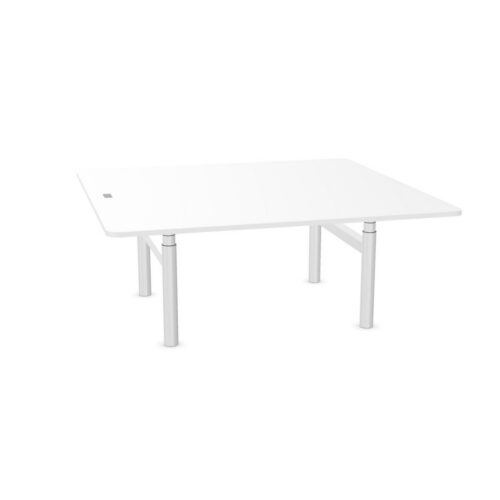


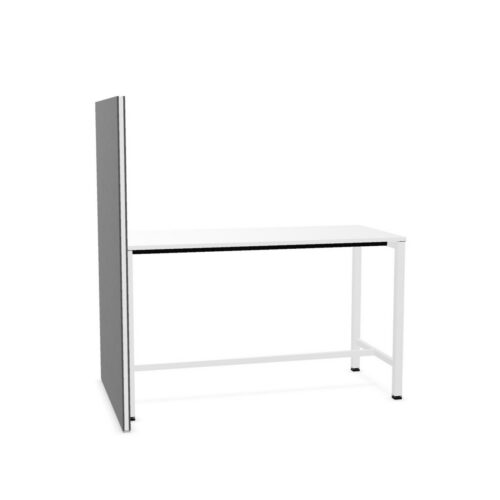


Define the table's place in the color scheme
A blue surface can connect with seating, wall details or another established workplace color. Choose which relationship matters most before adding further blue elements. Repeating the color everywhere may be unnecessary, particularly where the tabletop already occupies a prominent place in the room. Consider the view toward the meeting area from adjoining spaces as well as the view from each seat. Review the actual tone alongside nearby finishes, since the name blue covers different appearances. The selected color does not establish a particular sheen, texture or response to light.
Planning height-adjustable conference tables with blue surfaces
Use the comparison to clarify whether changes in working level have a defined role. A room used for the same seated discussion each day may have different priorities from one prepared for changing activities. Identify the occasions when adjustment would be used and the people responsible for setting up. Keep this assessment grounded in the intended activities rather than assuming that adjustment automatically suits every meeting format. Confirm how the table operates and whether the available working positions match the room brief before finalizing the surrounding furniture arrangement.
