

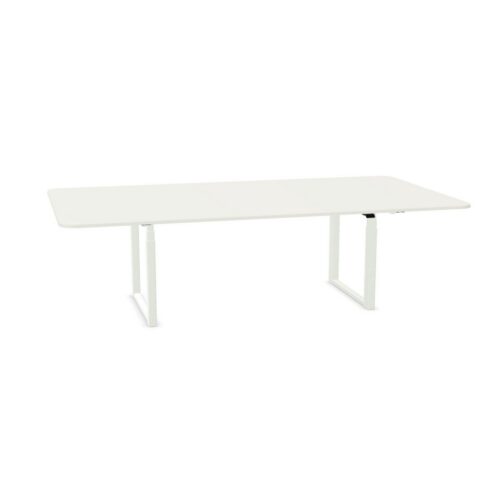
Black Meeting Surfaces With Adjustable Height

Describe the working positions the room needs, then test the table with occupied chairs, connected equipment and clear access to each seat. The working level can change, so begin with the activities and users that make adjustment relevant. Assess the intended seating at the positions needed for those activities, and confirm the adjustment capabilities before assigning the table a particular role in the room.

The black surface needs its own visual review. Consider how it relates to chairs, flooring and the background behind shared presentation content, without assuming a particular sheen or material. Look at the arrangement under the lighting used during actual meetings and with ordinary papers and devices present. Plan access and circulation for the intended working positions, including any connected equipment. This approach links the adjustable working level with the black tabletop through the practical demands of the complete meeting setting.

8 models
From €30.61 p/m
18 models
From €27.49 p/m
6 models
From €28.06 p/m
Price on request
Price on request
2 models
From €19.07 p/m
5 models
From €17.16 p/m

Planning height-adjustable conference tables with black surfaces

Height adjustment is the feature that changes the planning approach here. Record a normal starting arrangement for the room, then establish when changing the table height would help the next activity. Identify which users or meeting activities benefit from adjustment before deciding how the room should operate. Confirm the available settings and adjustment method rather than assuming a particular mechanism or suitability for standing use. Compare the options through actual working positions and chair relationships. A useful assessment asks whether the change serves a clear workplace purpose and how it will fit into the room's routine between different sessions.

Assess Black Within the Working View

Look at the black tabletop from the seats participants will occupy. Include papers, personal devices and the presentation background, then assess their visual relationship under normal meeting lighting. Black does not establish a matte finish, a gloss level or any particular reflective behavior. Compare actual appearance before deciding how nearby chairs and finishes should coordinate. If black already appears in the room, determine whether repeating it at the tabletop creates the intended relationship. If it is a distinct accent, consider how surrounding colors frame it. Review the setting during use, rather than relying only on an empty-room impression.

Coordinate Chairs Through Changes in Working Level

Keep the height-setting routine consistent with the room’s booking pattern so the next group knows how the furniture has been prepared. Assess how people approach the surface, use documents and move away from their seats after adjustment. Where chairs have arms, check their relationship with the tabletop at the settings that will be used. Consider different regular users rather than planning around a single preferred position. Adjustment can change the working arrangement, but it does not remove the need for compatible chairs. Resolve those practical relationships before choosing seating primarily to match the black surface.

Account for Equipment and Room Transitions

Think through the change from one meeting setup to another. Materials on the tabletop, personal belongings nearby and any connected devices need to be considered before changing the working level. Plan connections separately, since height adjustment does not establish integrated power or cable organization. Follow the confirmed operating instructions and make the usual room setup clear to shared users. Then review circulation with chairs occupied at the intended settings. Keep paths to seats and shared content understandable throughout the meeting. The black surface can remain a consistent visual reference while the practical arrangement changes to suit the planned activity.

Questions About Black Adjustable-Height Tables

Does this combination have a fixed working level?

No. It combines a black surface with height adjustment. For height-adjustable conference tables with black surfaces, establish which working positions the room actually needs before deciding how often to change the setup.

Can the table be planned for standing discussions?

Confirm that the available working positions support the intended use before doing so. Height adjustment alone does not establish standing suitability. Plan the room around verified capabilities and the needs of participants.

Should lighting decisions assume a reflective black top?

No. Black identifies color, without confirming reflectivity or finish. Assess the actual surface with the room lighting, meeting materials and presentation views before deciding whether any lighting or orientation changes are needed.

Explore related selections