

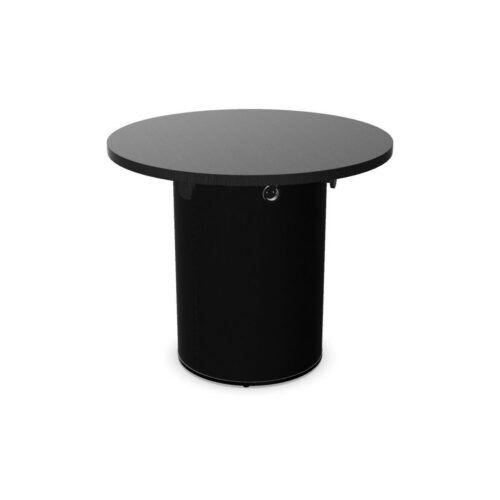
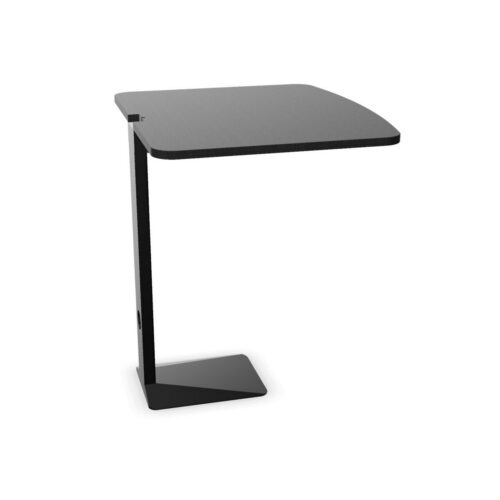
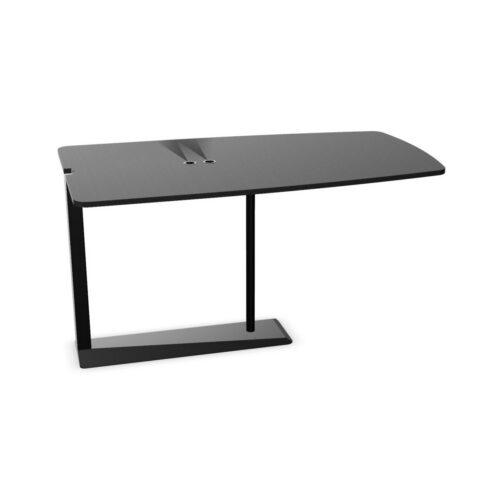
Black Table Bases for Conference Rooms

Conference tables with black bases introduce a dark visual element beneath the meeting surface. The base color can relate to chair frames, display surrounds or other dark details in the room, helping establish a considered palette. It does not determine the tabletop color, shape, material or support geometry, so those decisions remain separate from the selected black finish.

Assess the base from the viewpoints people actually experience: entering the room, sitting at the table and looking toward shared content. A black base may create contrast with lighter surroundings or sit more quietly among other dark elements, depending on the complete setting. Keep practical planning alongside appearance. Check the actual supports against intended chair positions, preserve access around occupied seats and consider how the table relates to the room’s lighting. The useful comparison is between complete arrangements that support the meeting routine and fit the existing interior.

8 models
From €30.61 p/m
11 models
From €21.26 p/m
9 models
From €22.04 p/m
18 models
From €27.49 p/m
6 models
From €28.06 p/m
3 models
From €20.05 p/m
2 models
From €28.04 p/m
€9.29 p/m
€9.94 p/m
2 models
From €9.51 p/m

Coordinating Conference Tables With Black Bases

Begin with the dark elements already present in the room. Chair frames, display surrounds, door details or storage fittings may provide useful points of reference for a black base. They do not all need to match exactly for the room to feel considered. Conference tables with black bases can repeat an existing color or introduce a deliberate contrast, depending on the surrounding finishes. Review the whole palette before extending black to additional furniture. A clear relationship between selected elements is often easier to maintain than requiring every visible component to follow the same color treatment, especially in a room used by different teams.

Assessing Contrast From Everyday Viewpoints

The base is viewed beneath the tabletop and between chairs, so its visual effect changes with the room arrangement. Look from the entrance and from seated positions rather than judging it only in isolation. Against lighter flooring or walls, black can appear more distinct; among darker surroundings, it may be less visually separated. These are relationships within the room, not evidence of a particular base structure or finish texture. Consider how lighting and nearby furniture affect the appearance. If possible, assess the intended color relationship under the lighting used during ordinary meetings as well as during presentations with altered room lighting.

Keeping Color Separate From Seating Decisions

Black describes the base color, not the way the supports are arranged. Inspect the actual base wherever a chair is intended to sit, including positions used for visitors or presentation-led meetings. Conference tables with black bases still require a seating plan that accounts for approach, leg movement and the route behind occupied chairs. Avoid allowing a coordinated appearance to settle a practical question that needs direct assessment. Review how the tabletop, supports and chairs work together during a typical session. Screen viewing, shared documents and entry to the room should remain part of the decision alongside the color of the furniture.

Relating the Base to the Tabletop

The black base does not require a matching top. Consider the tabletop and base as separate parts of the room's visual composition, then evaluate their relationship with the chairs and floor. A contrasting combination may make the distinction between surface and support more apparent, while similar tones may produce a more unified impression. Neither approach establishes better functionality. Check the intended top and base together without inferring material, surface behavior or maintenance requirements from color. When coordinating several room elements, keep a clear record of the chosen visual relationships so later furniture decisions can follow the same reasoning without relying on assumed matches.

Frequently Asked Questions

Does a black base mean the tabletop is black?

No. Conference tables with black bases establish the color of the support, while the tabletop remains a separate consideration. Assess the intended top and base together when comparing their relationship with the rest of the room.

Should black bases match every chair frame?

An exact match is not necessary. Consider whether the base repeats an existing dark detail or provides contrast within the room. Review the complete arrangement so individual color choices have a clear relationship to one another.

Can base color indicate strength or construction?

No. Color does not establish the material, support geometry or performance of the base. Evaluate those details independently, and check the actual support arrangement against the intended seating positions and the room's everyday meeting activities.

Explore related selections