


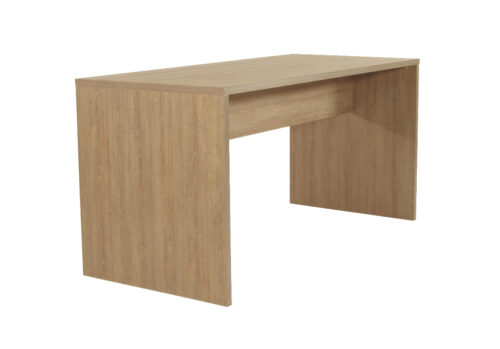
Positioning Conference Tables With Dark Gray Oak Bases
Establish the main view into the room before deciding how much emphasis the base should have. From an entrance, it may be seen against the floor, a wall or furniture beyond the table. A lighter background can make the dark base easier to distinguish, whereas neighboring dark elements may create greater continuity. Use that relationship deliberately. If the table is meant to define a meeting area within a shared workplace, its placement and surrounding chairs should make the purpose clear. Color can reinforce that arrangement, but the circulation route still needs to remain evident.
Separating Close but Different Dark Tones
Dark gray oak does not mean that every nearby gray or oak reference will match. Compare the actual colors of the base, chairs, storage and floor together. A difference that seems minor when viewed separately may become more apparent when the elements sit beside each other. You can accept those differences as part of the palette or introduce a clearer contrast through upholstery and surrounding surfaces. Avoid allowing a color name alone to settle the decision. The useful question is whether the complete grouping looks intentional under the lighting used for normal meetings.
