

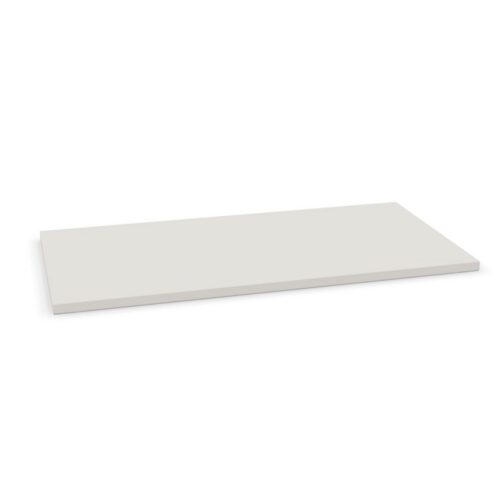
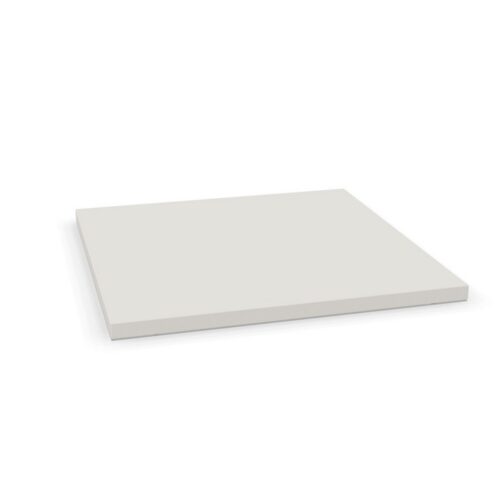
Corner Sheet Tables Without Cable Trays

Conference tables with corner sheet tops and no cable tray require attention to the actual tabletop outline and the way equipment will be used. The corner sheet shape should be assessed in relation to chairs, walls and the meeting’s main focus. Without a cable tray, there is no tray beneath the tabletop for gathering cables, so connected equipment needs a considered arrangement. Neither the shape name nor the tray’s absence establishes any other feature of the table.

When planning corner sheet conference tables without cable trays, trace the complete surface before choosing an orientation. Consider which parts are suitable for individual work, where shared papers belong and how participants will face a presenter. If devices need power, locate the room connections and assess their routes separately. This approach helps connect the distinctive tabletop form with everyday meeting tasks while keeping access around the furniture clear and understandable.

7 models
From €10.56 p/m
6 models
From €10.56 p/m
7 models
From €10.56 p/m
7 models
From €11.79 p/m
4 models
From €14.08 p/m

Reading the Outline of Conference Tables With Corner Sheet Tops

Begin with the actual shape rather than making assumptions from the corner sheet name. Place its outline within the room plan and review how each part relates to the walls, doorway and intended seating. Identify the positions where participants will work and the areas that remain available for shared meeting materials. Do not assume the table is intended to sit in a room corner or connect to other furniture. The useful orientation is the one that serves the meeting activity while leaving practical access around the complete surface.

Keep Power Planning Separate From Shape

A shaped tabletop does not determine how devices connect, and the absence of a cable tray does not establish the presence of another cable arrangement. For corner sheet tables without cable trays, identify any equipment that needs a connection during normal meetings. Follow the proposed route from the room's power point to the device, considering where the cable passes relative to chairs and walkways. If that route conflicts with circulation, reconsider the table position or the equipment arrangement. Avoid relying on an unconfirmed feature to make the proposed layout workable.

Balance Presentation and Discussion Positions

Consider how chair positions around the corner sheet outline affect attention during a meeting. A seat that works for looking across the table may have a less convenient relationship with a wall display. Test both activities if the room regularly supports both. Conference tables with corner sheet tops should be arranged so the chosen shape contributes to the seating plan rather than forcing participants into positions that do not suit their work. Decide where a presenter will stand, and keep that area separate from the route people use to reach their chairs.

Review the Arrangement Between Sessions

Meeting changeovers introduce movements that an empty-room plan can overlook. Participants push chairs back, collect bags and carry documents toward the exit. Where connected devices are used, cables also need to be disconnected and removed from the working area. Corner sheet conference tables with no cable tray need a routine that accounts for those connections without leaving them in circulation routes. Review the tabletop's full boundary with chairs moved away from it. Check access to storage and room controls at the same time, particularly where the shape extends toward those destinations.

Frequently Asked Questions

Must a corner sheet table be placed in a corner?

The shape name alone does not establish that requirement. Assess the actual outline against the room and intended seating. A position should be chosen for working access, discussion and circulation, with the relationship to walls determined by the complete layout rather than the name.

What does the absence of a cable tray tell me?

It confirms that there is no cable tray. It does not establish whether other cable provisions are present. If connected equipment is part of the meeting routine, assess its connection needs independently and check the route between the table and the room's available power points.

How can I assess the shape for shared document work?

Place individual papers at the proposed seating positions and identify a separate area for shared references. Check whether participants can see and use those references without reaching across a colleague's work. This exercise connects the actual corner sheet outline to the activity it needs to support.

For conference tables with corner sheet tops, map the intended seats before deciding how the table will sit within the room.

Explore related selections