



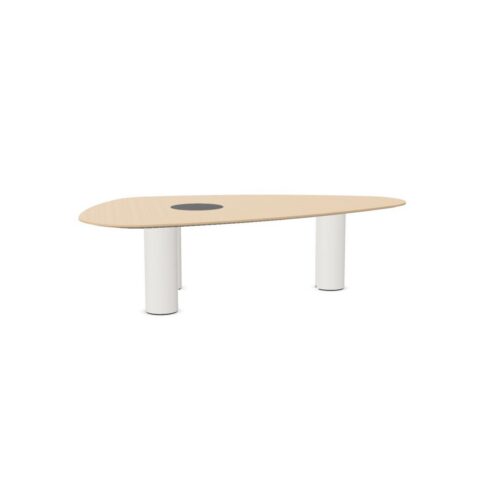

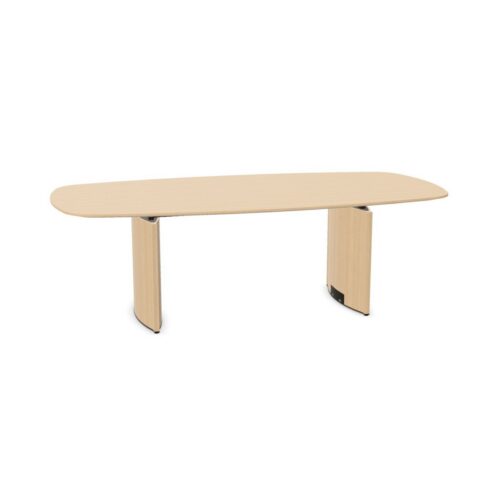


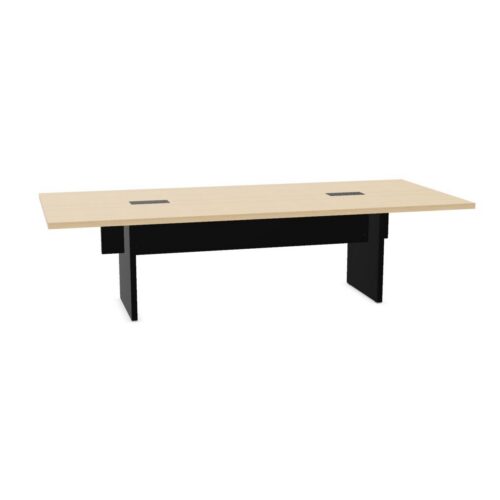
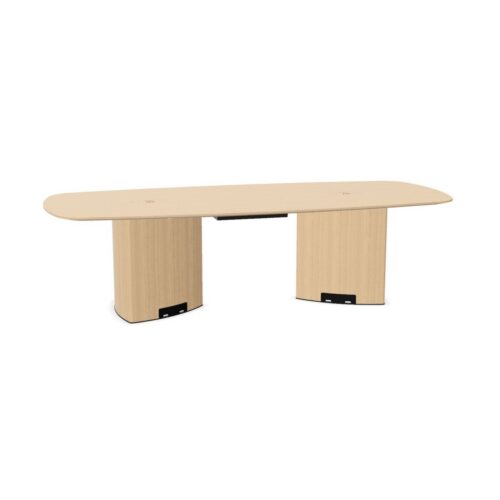






Seating Around Fixed-Height Conference Tables With Oval Tops
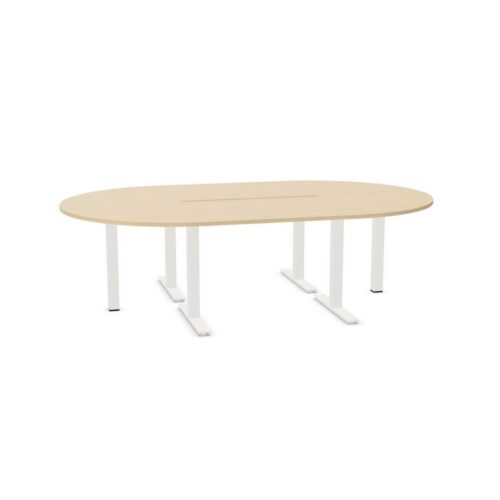
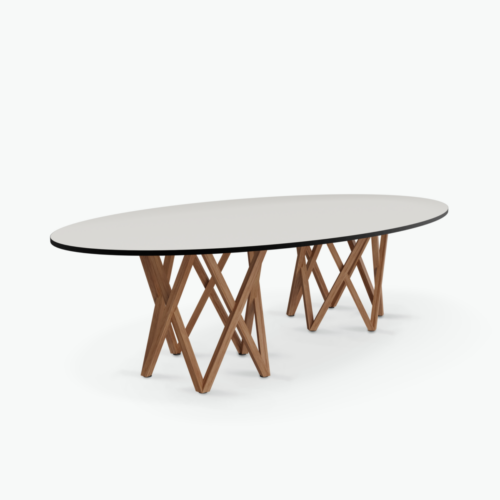
The curved outline should inform the seating plan without determining it automatically. Review where participants approach the surface and how their chairs relate to neighboring positions. Seats around the ends may face the discussion differently from those along the sides, depending on the arrangement. Check the base before assuming every part of the oval edge offers the same approach. A practical plan considers conversation, personal working materials and the ability to leave a seat. Review these needs together rather than arranging chairs solely to follow the tabletop's perimeter.
Assess the Constant Surface With Intended Chairs
Because the working height does not change, check chair compatibility before deciding that the table suits the room. Review how participants sit at the surface, whether chair arms affect their approach and whether feet can be positioned without interference from the base. Use the intended seated activities as the reference. Reading papers and participating in discussion should be considered within the actual arrangement. Where chairs have their own adjustment, assess how it works with the constant tabletop. Avoid assuming that a visually coordinated chair will necessarily provide a suitable working relationship.
