

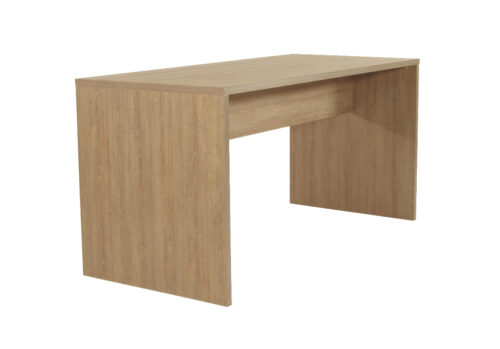
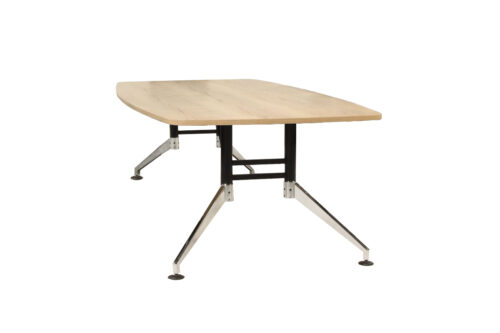
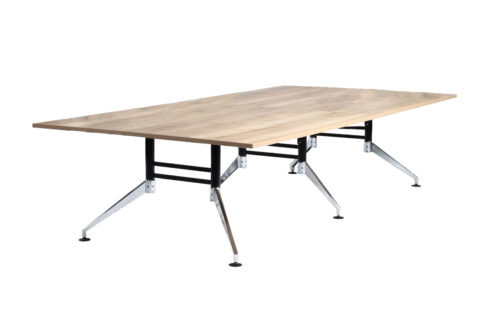
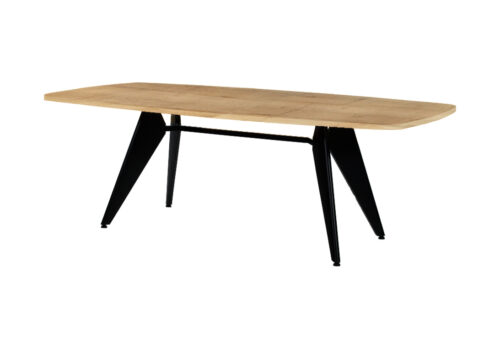
Fixed-Height Straight Blade Conference Tables

Fixed-height conference tables with straight blade tops combine a defined tabletop shape with a working surface that stays at the same height. This makes the relationship between the table, meeting chairs and room arrangement an early planning decision. Consider how people approach their seats, place their meeting materials and turn toward a shared presentation. The straight blade designation describes the tabletop shape; it does not establish the base arrangement or the space available beneath it.

For a room used mainly for seated discussions, fixed-height straight blade tables give you a consistent starting point for arranging furniture. Check chair compatibility before settling the layout, including how armrests relate to the tabletop and where people can position their legs. Think about the route between the doorway, seats and presentation area so the finished arrangement supports the actual sequence of a meeting.

€14.33 p/m
6 models
From €10.56 p/m
10 models
From €6.68 p/m
4 models
From €32.64 p/m
26 models
From €9.74 p/m
€54.31 p/m
2 models
From €54.17 p/m
€16.17 p/m
€26.01 p/m
€10.84 p/m
20 models
From €9.47 p/m
3 models
From €46.54 p/m
28 models
From €22.14 p/m
28 models
From €19.07 p/m

Planning Fixed-Height Conference Tables With Straight Blade Tops

Start with the room's main activity. A table used for document reviews needs a different orientation from one used mainly for presentations, even when the tabletop shape is the same. Place the proposed table position on a room plan and mark the doorway, presentation wall and storage access. Then trace how someone reaches a chair while other people are already seated. Because the table height cannot change, resolve the seated working arrangement from the outset. The useful question is whether this particular combination supports your meeting routine without requiring chairs or nearby furniture to be repeatedly repositioned.

Match Chairs to the Unchanging Surface

Chair selection deserves attention when the tabletop remains at a fixed level. Review the relationship between seat position, armrests and the working surface using the actual furniture where possible. A chair that looks coordinated can still be awkward to draw toward a table. Also consider whether people can turn toward colleagues or a screen without catching neighboring chairs. Fixed-height straight blade conference tables work best as part of a considered seating arrangement. Do not assume that an adjustable chair resolves every mismatch: its usable position must also suit the person sitting in it and the support available for their feet.

Keep Arrival and Departure Routes Clear

Meeting room layouts need to accommodate movement as well as seated work. Look at the path used by late arrivals and the route someone takes to leave temporarily. Avoid making either journey depend on another participant standing up. Position freestanding storage and presentation equipment with these movements in mind. Check the space behind occupied chairs, rather than judging the room only when chairs are tucked away. The straight blade tabletop should be assessed in its intended orientation, since turning a table can change the relationship between its ends, the doorway and the room's main circulation route.

Review Shared Work and Presentation Views

Decide where shared papers, laptops and presentation materials will sit during a typical session. Ask whether participants can see one another and follow the main display without continually changing seats. A fixed working level makes it especially useful to evaluate the room from a seated viewpoint. Walk through both an informal discussion and a more structured presentation before confirming the arrangement. With fixed-height conference tables with straight blade tops, the strongest selection rationale connects the tabletop shape to an actual room plan. Appearance can guide the choice, but it should accompany practical checks of seating, access and everyday meeting tasks.

Keep fixed-height conference tables with straight blade tops in view while comparing placement, access and the surrounding interior.

FAQ

Can the table height be changed?

No. This combination has no height adjustment. Assess the table and chairs together in their intended working positions, because the tabletop cannot be raised or lowered to resolve a seating mismatch.

Does straight blade describe the base?

No. Straight blade identifies the tabletop shape. Consider the actual base separately when reviewing leg placement, chair approach and access beneath the working surface; the shape name alone does not answer those questions.

What should be checked in a shared room?

For fixed-height straight blade tables, prioritize chair compatibility and unobstructed routes. Then review how different meeting activities use the same arrangement, including conversation, paper-based work and viewing a presentation from occupied seats.

Explore related selections