

Transparent Oval Tops for Meeting Rooms

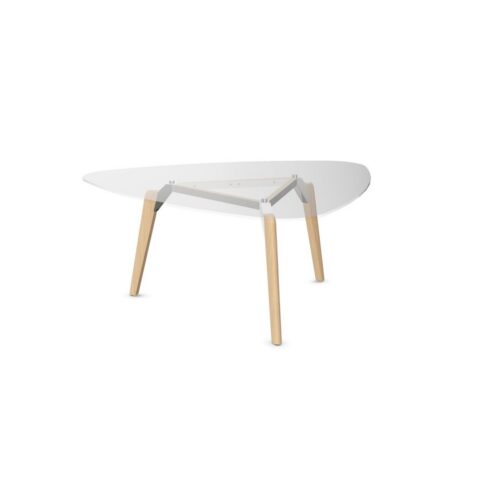
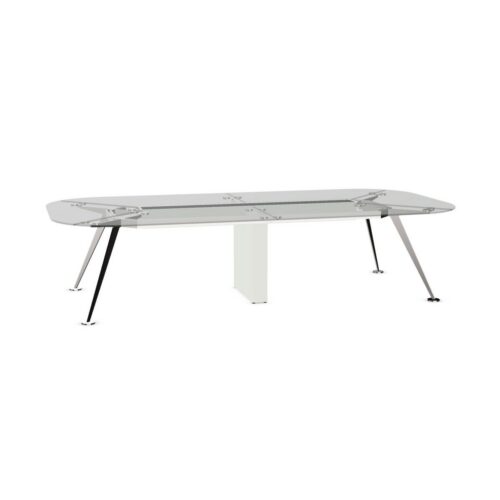
Conference tables with oval tops and transparent surfaces combine a curved perimeter with a view through the meeting surface. That transparency makes the area beneath the tabletop part of the room’s visible composition, alongside the chairs, floor and anything placed below. Plan the oval through seating and circulation needs, then review transparency from the viewpoints people will use during a meeting. The appearance of an empty table provides only part of that assessment.

Transparent oval conference tables call for particular attention to everyday objects. Bags, loose supplies and other items beneath the surface may remain visible, while papers and devices placed on top change how the tabletop looks in use. Consider where those belongings should go and how participants will approach their seats. The curved ends need clear roles as seating positions or access points, and the room’s presentation arrangement should be checked from each proposed place around the perimeter.

30 models
From €16.42 p/m
€96.44 p/m
4 models
From €32.64 p/m
11 models
From €8.10 p/m
10 models
From €29.42 p/m
2 models
From €54.57 p/m
31 models
From €25.60 p/m
16 models
From €61.19 p/m
6 models
From €76.52 p/m
2 models
From €99.30 p/m
32 models
From €0.02 p/m
12 models
From €95.03 p/m
30 models
From €18.96 p/m

Planning Conference Tables With Oval Tops and Transparent Surfaces

Review the meeting area as a visible composition above and below the tabletop. A transparent surface allows the floor, chairs and objects beneath it to contribute to the view. Consider whether patterns on the floor or a mixture of personal belongings will compete with the arrangement you want. Do not assess the surface only when the room is empty. Include notebooks, devices and other ordinary meeting materials in the review. The goal is to understand how the selected appearance works during use, when the tabletop and the space beneath it are both occupied.

Give Personal Belongings a Practical Place

Plan where attendees can put bags and items that are not needed on the surface. With oval conference tables with transparent surfaces, these objects can remain part of the visual scene even when placed underneath. Keep them clear of feet, chair movement and walking routes. A separate, accessible place elsewhere in the room may be useful if it fits the existing arrangement. Avoid depending on the tabletop to conceal temporary clutter. Consider the arrival sequence as well: someone entering should be able to put down belongings without crossing through another person's working area or blocking the door.

Read the Curved Outline in Its Surroundings

Assess how clearly the oval boundary can be understood against the floor and surrounding furniture. View it from the entrance, from the main walking route and while seated. Transparency changes the visual relationship between the surface and its background, so an assessment from a single angle is incomplete. Keep the approach to chairs straightforward and avoid placing unrelated objects in the route around the curved ends. The absence of tabletop corners does not remove the need for circulation planning. Occupied chairs and belongings still establish where people can comfortably pass during a meeting.

Review Presentation and Document Use Together

Transparent oval meeting tables should be assessed for the actual mix of discussion, writing and presentation. Check views toward the display from seats along the sides and around the curved ends. Then place shared documents where participants can use them without reaching across adjacent work. Papers and devices interrupt the view through the surface, which changes its appearance during the session. Consider lighting from the seated positions as part of the room review, without assuming any particular reflective behavior. The surface description alone does not establish its material, treatment or other technical characteristics.

Questions About Transparent Oval Conference Tables

Does transparency mean the tabletop is made from glass?

The selected appearance does not establish a specific material. Transparency describes the view through the surface. Avoid inferring construction, maintenance requirements or performance from that description, and keep those questions separate from the practical assessment of seating, visible surroundings and circulation.

Why does the floor matter more to the visual arrangement?

The floor beneath a transparent surface remains visible and becomes part of the view through the tabletop. Consider its pattern and color alongside chairs and ordinary belongings. Review that relationship from seated positions, where the angle differs from the view at the doorway.

Should bags be stored beneath the table?

Only where they leave feet, chairs and walking routes clear. They may remain visible through the top, so consider the overall appearance too. If the room offers another practical place, use it consistently so arrivals do not interrupt the meeting while finding somewhere for belongings.

Keep conference tables with oval tops and transparent surfaces in view while comparing placement, access and the surrounding interior.

Compare how conference tables with oval tops and transparent surfaces relates to chair positions and shared views in the intended room.

Explore related selections