

Transparent Rectangular Tops for Conference Rooms

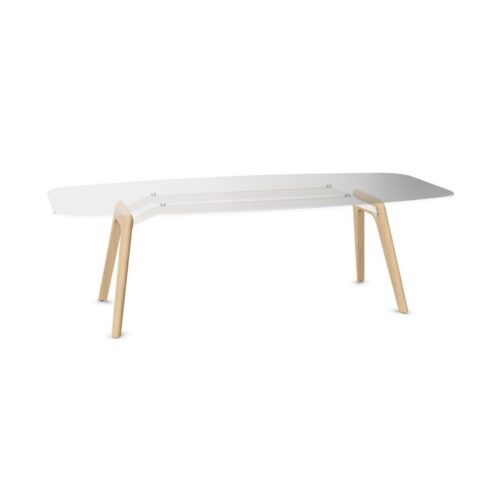
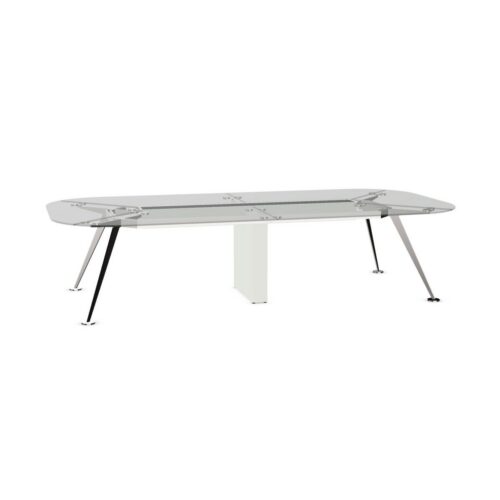
Conference tables with rectangular tops and transparent surfaces combine a clearly organized meeting shape with a surface that keeps the area beneath it visible. The straight sides provide an understandable arrangement for chairs, documents, and shared discussion. Transparency adds another planning consideration: flooring, chair bases, cables, and anything stored beneath the table can become part of the room’s appearance. Assess the whole setting rather than treating the tabletop as an isolated element.

Rectangular conference tables with transparent surfaces suit a deliberate approach to room organization. Establish the main presentation direction, place chairs around the intended working positions, and preserve clear routes behind them. Consider what people will see through the surface from seated and standing viewpoints. A coordinated floor and orderly surrounding furniture can help the transparent top sit comfortably within the room, while the rectangular outline keeps the meeting arrangement easy to understand.

11 models
From €21.26 p/m
30 models
From €16.42 p/m
5 models
From €17.16 p/m
2 models
From €46.78 p/m
€12.50 p/m
16 models
From €32.64 p/m
8 models
From €69.59 p/m
19 models
From €31.24 p/m
5 models
From €28.95 p/m
4 models
From €32.64 p/m
35 models
From €29.79 p/m
2 models
From €6.62 p/m
3 models
From €6.50 p/m
4 models
From €4.92 p/m
11 models
From €8.10 p/m
10 models
From €29.42 p/m
2 models
From €54.57 p/m

Planning Conference Tables With Rectangular Tops and Transparent Surfaces

Begin with the room's main activity. A rectangular outline creates distinct sides and ends, so decide whether meetings will center on conversation, a wall display, or documents shared across the table. That decision should guide orientation before chairs and supporting furniture settle into place.

For presentation sessions, review the view from both long sides and the ends. People should be able to turn toward the display without disrupting adjacent seats. For discussion, consider whether the seating arrangement encourages participants to address the whole group rather than only the person directly opposite them.

Include the Floor in the Visual Plan

A transparent tabletop makes the area underneath relevant to the overall composition. Examine the flooring directly below the proposed position, including changes in pattern or color. A busy floor may remain prominent through the surface, while a simpler floor can provide a more restrained background for the meeting area.

Look at chair bases and personal belongings from the doorway as well as from a seat. These elements may be visible through the top even when tucked underneath it. Establish another place for bags if keeping the meeting setting visually orderly matters to the team using the room each day.

Keep Working Materials Easy to Read

Conference tables with transparent rectangular tops place papers and devices against a background that can change with the viewing angle. Try typical meeting documents in the intended setting. Check whether the visible floor competes with them and whether participants can distinguish the working area comfortably during ordinary discussion.

Observe the surface under daylight and the room's usual lighting. Transparency alone does not establish how reflections will appear, so examine the actual viewing conditions. Position the table with attention to windows, overhead lights, and the screen used for presentations, reviewing the arrangement from several seated positions before settling the layout.

Make Circulation and Cable Routes Deliberate

The rectangular perimeter can help organize seating, but movement still needs a separate plan. Keep the entrance route clear and consider what happens when someone leaves a chair during a meeting. Check access to storage and presentation equipment with chairs in their working positions rather than pushed fully underneath the table.

Where laptops or other devices are used, trace the route from each working position to the room's power points. Do not assume the table provides any particular cable provision. Because the surface is transparent, loose cables beneath it can affect both the room's appearance and the clarity of the surrounding walking routes.

Assess conference tables with rectangular tops and transparent surfaces alongside circulation and the meeting's main viewing direction.

For conference tables with rectangular tops and transparent surfaces, map the intended seats before deciding how the table will sit within the room.

FAQ About Transparent Rectangular Meeting Tables

What should be checked beneath a transparent top?

Review the floor, chair bases, cable routes, and likely storage of personal belongings. These can remain visible through the surface. Consider their combined appearance from the entrance and from seated positions, rather than checking the tabletop on its own.

How should the rectangle face a presentation screen?

Choose the orientation after reviewing the screen from every intended seating position. Consider how far people must turn and whether neighboring chairs interfere. The rectangular shape establishes seating lines, but the room's presentation arrangement determines which orientation works best.

Does transparency determine how the surface reflects light?

No. Assess reflections in the actual lighting conditions instead of drawing conclusions from transparency alone. Review daylight, overhead lighting, and screen visibility together, using the positions people will occupy during ordinary meetings.

Explore related selections