

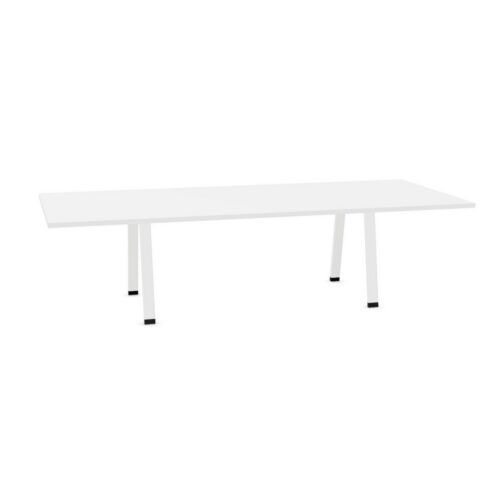
Gold Bases With Rectangular Meeting Surfaces

Conference tables with rectangular tops and gold bases pair an ordered tabletop outline with a distinct base color. The rectangular surface gives chairs and meeting materials a clear arrangement, while gold can become a visible accent within the room. This combination calls for decisions about both meeting orientation and the relationship between the table and surrounding colors.

In a room used for client conversations, internal reviews, or presentations, begin with where people enter and where their attention needs to go. Position the rectangular top to support that activity, then assess the gold base alongside the chairs, floor, and other visible details. Gold is a color description, so it should not be taken as evidence of a particular material or finish. Keep the visual choice grounded in the actual room, including the view beneath the table once the chairs are in place.

3 models
From €20.05 p/m
2 models
From €28.04 p/m
€31.41 p/m
€11.34 p/m
2 models
From €19.95 p/m
2 models
From €10.48 p/m

Style Conference Tables With Rectangular Tops and Gold Bases

Decide how much visual emphasis the base should carry. If gold is the room's main accent, surrounding colors can provide a consistent background without trying to repeat it throughout the space. If gold already appears in handles, lighting, or other details, compare those appearances directly. A shared color label does not ensure that separate elements will look identical. Consider the tabletop and base as different parts of the composition: the rectangular shape defines the meeting area, while the gold color contributes to the view beneath it. Neither choice determines the other.

Arrange the Arrival and Seating Sequence

Think through the experience of entering the room, approaching a chair, and joining the conversation. The ends and corners of a rectangular top need attention wherever people change direction. Position the table so that the main arrival route remains understandable when seats are occupied. Avoid allowing the most visually balanced arrangement to dictate an inconvenient approach. Check where guests naturally pause and where a host might stand to introduce a presentation. These ordinary movements help establish an orientation that feels considered in use as well as composed when the room is empty.

Balance a Clear Axis With Shared Discussion

Conference tables with rectangular tops and gold bases can support a meeting layout with an obvious direction, but you should decide whether that direction serves the work. A presentation wall may provide the main focus. For a negotiation or planning discussion, access to shared papers and views of colleagues may be more relevant. Review the intended end seats separately from the side positions. The rectangular perimeter does not establish which seats should be occupied, and the gold base color tells you nothing about support placement. Evaluate those relationships in the actual arrangement.

Assess Color From Working Viewpoints

Check the gold alongside the floor and chairs from the doorway, then look again from seated positions. Furniture and people can change how much of the base remains visible. Consider the room under the lighting conditions normally used for meetings, particularly if presentations involve a different lighting arrangement. Do not assume a particular reflective quality from the word gold. Instead, judge the appearance you can observe. Keep additional decorative choices tied to a clear purpose so that the room remains visually coherent when documents, screens, bags, and other everyday meeting items are present.

Frequently Asked Questions

Does a gold base establish a formal meeting style?

No. Conference tables with rectangular tops and gold bases take their overall character from the seating arrangement, surrounding colors, and way the room is used.

Should other gold details match exactly?

Compare them visually before deciding. A coordinated room can include deliberate differences, provided the relationship looks intentional in the actual setting.

Can the end of the table remain unoccupied?

Yes. An unoccupied end may suit the presentation direction or an access route. Base that decision on the meeting format and the positions of the actual supports.

With chairs positioned, assess how rectangular tabletop shape and gold base color relate to sightlines, movement around the table and the room's discussion area.

Explore related selections