

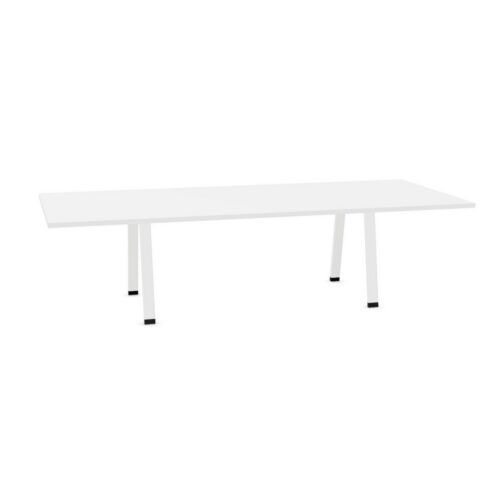
Gold Bases Within Balanced Meeting Rooms

Conference tables with gold bases place a gold-colored element below the meeting surface, making the supporting structure part of the room’s visual composition. The color can relate to existing accents or provide a distinct point of interest among quieter surroundings. Its role depends on the neighboring finishes and how much of the base is visible around the chairs. A gold color description does not establish the base material or surface finish.

Consider where gold already appears in the room and whether those details are seen together with the table. Repetition can create a connection, but an exact match across unrelated furnishings is not necessary. Compare the base beside the intended chairs and flooring, then review the meeting arrangement in use. Preserve clear access to seats and shared presentation areas so that the visual decision remains connected to how people will occupy the room.

3 models
From €20.05 p/m
2 models
From €28.04 p/m
€9.29 p/m
€9.94 p/m
2 models
From €9.51 p/m
€31.41 p/m
€11.34 p/m
2 models
From €19.95 p/m
2 models
From €10.48 p/m
4 models
From €7.81 p/m
2 models
From €8.94 p/m
4 models
From €9.16 p/m
8 models
From €23.66 p/m
10 models
From €24.99 p/m

Decide How Much Gold the Room Needs

Before repeating gold elsewhere, establish whether the table base should be the main accent or part of an existing pattern. A room with gold-colored fittings already has references to consider. A room without them can still accommodate the color, provided its relationship to the surrounding finishes feels deliberate.

Look at the occupied meeting arrangement rather than judging the empty table alone. Chairs can cover parts of the base and change the balance of visible colors. This helps you decide whether additional accents would create a useful connection or simply repeat a color that already has enough presence.

Assess Conference Tables With Gold Bases Beside Seating

The nearest comparison is often the chair frame, followed by the floor beneath both pieces. Consider these elements together before coordinating more distant details. A close color relationship can connect the furniture visually, while a deliberate contrast can distinguish the table structure from the seating around it.

Conference tables with gold bases should be assessed under the room's usual lighting. Gold does not specify a particular shade or degree of sheen. Compare the actual appearance rather than assuming that every gold-colored element will look the same when placed beside another furnishing.

Check Arrival Views and Movement Routes

Walk through the proposed arrangement from the entrance toward the seats. Notice where the gold base is visible and whether chairs obscure the view differently along that route. This makes the room's first impression part of the assessment without allowing it to outweigh the experience of people already seated.

Then check the practical route around the occupied table. Leave clear access to regularly used parts of the room and consider how chairs move when someone joins or leaves. The base arrangement needs to suit those seating positions regardless of how closely its color coordinates with other details.

Give the Tabletop Its Own Visual Role

The base color applies below the meeting surface and does not determine the appearance of the top. Consider whether the tabletop should provide continuity with the base or establish a separate layer in the composition. Include the background walls and storage so that the table is assessed within its real surroundings.

When comparing conference tables with gold bases, avoid letting the accent color become the only selection criterion. Review how the complete table relates to the room's intended seating and working arrangement. The top and base should make visual sense together without color coordination taking priority over usable places around the table.

FAQ About Gold Conference Table Bases

Does gold describe the base material?

No. Gold identifies the base color here. It does not establish a particular metal, coating, or finish. Assess those characteristics separately if they matter to the room plan, and use the visible color as the starting point for coordinating surrounding furnishings.

Can gold be the only accent in the room?

Yes. An accent does not need to appear on every furnishing to have a deliberate place in the composition. Review the base with the chairs positioned for a meeting, then decide whether the room needs any additional visual connection to that color.

How should existing gold-colored details influence the choice?

Use them as comparison points for conference tables with gold bases, rather than as requirements for an exact match. Consider which details are actually visible together. Differences in shade or finish may be acceptable when the overall relationship between the table, seating, and room is coherent.

Explore related selections