

Round Leaf Conference Tables at Fixed Height

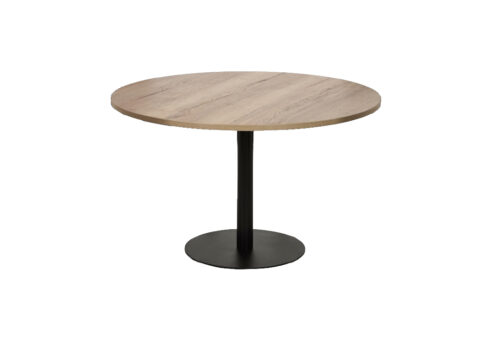
Fixed-height conference tables with round leaf tops combine a circular tabletop shape with a working level that cannot be adjusted. This makes the seating arrangement central to the selection process. Consider how chairs approach the perimeter, how people face one another and how the table relates to the room’s main entrance. The round form can guide the conversation layout, while the fixed level makes chair compatibility an essential part of that plan.

Fixed-height round leaf conference tables should be reviewed with the intended chairs and typical meeting activities in mind. Check the actual base arrangement rather than assuming that a round surface provides the same leg access everywhere. Also consider where shared papers or a presentation will draw attention. Leaf is part of the tabletop shape description here; it does not establish an extension feature or another way to change the table during use.

6 models
From €10.56 p/m
7 models
From €10.56 p/m
3 models
From €10.00 p/m
5 models
From €12.69 p/m
24 models
From €23.43 p/m
4 models
From €25.07 p/m
€7.97 p/m

Seating Around Fixed-Height Conference Tables With Round Leaf Tops

Begin by deciding how participants will gather around the circular perimeter. Look at the approach from the doorway and identify where an arriving person can reach a chair without disturbing others. Review the actual base and the working position beneath the surface before settling the seating arrangement. The tabletop shape alone does not establish how chairs fit or where legs can be placed. Because the working level is fixed, assess the intended chairs together with the table from the outset. A useful arrangement connects conversation, approach and seated work instead of treating the circle as a reason to place chairs without further review.

Match the Fixed Level to Everyday Work

Think about the tasks people perform while seated. Writing notes, reviewing shared papers and using a laptop all make the relationship between chair and surface relevant. Check armrests and the position in which a chair can be drawn toward the table. If the chairs adjust, assess their practical working positions rather than assuming adjustment guarantees compatibility. Fixed-height round leaf tables keep the surface at one level, so any seating mismatch needs attention through the chair choice or arrangement. Review the complete seated position, including support for the person's feet, before deciding that the combination suits the room's usual meeting routine.

Plan for Attention Beyond the Center

Round tables are often assessed through conversation, but many meetings also use a wall display or a standing presenter. Check the view from each intended seating position and consider how people turn when their attention shifts. A chair facing the center may need a different orientation for a presentation. Review what that change does to the route behind it and to neighboring participants. Place presentation equipment with those movements in mind. The fixed working level does not remove the need for an adaptable chair arrangement, and the round outline should be judged through both discussion and presentation activities before the room plan is settled.

Maintain Routes During an Occupied Meeting

Trace movement around the table after chairs are occupied and materials are in use. Include the doorway, storage and any shared equipment people need during a session. Check how someone leaves temporarily and how a late arrival reaches a seat. Fixed-height conference tables with round leaf tops should be positioned so these movements remain practical without repeated furniture changes. Do not judge access solely from the table's circular outline or from chairs pushed beneath it. If a route depends on participants moving aside, reconsider the orientation of surrounding furniture or the starting chair arrangement. Review the resulting plan through a complete meeting routine.

Compare how fixed-height conference tables with round leaf tops relates to chair positions and shared views in the intended room.

FAQ

Can the tabletop be raised or lowered?

No. Height adjustment is absent from this combination. Check that the fixed working level and intended chairs suit the planned activities, since the surface cannot be repositioned vertically to accommodate a different seated setup.

Does the circular top guarantee equal leg access?

No. The actual base arrangement also affects leg placement and chair approach. Assess those relationships at the intended seats rather than inferring them from the round tabletop shape or its continuous perimeter alone.

What should be reviewed for screen-based meetings?

For fixed-height round leaf conference tables, check presentation views from occupied chairs and the routes behind them when participants turn. Arrange the room so that following a display does not routinely obstruct access or neighboring seats.

Explore related selections