











Define the Room Through Its Purpose
Start with the meetings that will take place rather than assigning a personality to pink. A planning session needs shared attention, a review may depend on documents, and a presentation introduces a focal point beyond the table. The round top can support a conversational arrangement without establishing a permanent head position. The pink base contributes to visual identity, but it does not determine meeting behavior. Write a simple room brief around activities, arrival routes, and presentation needs. Use that brief to assess whether the overall setting supports the work expected of it.
Conference Tables With Round Tops and Pink Bases
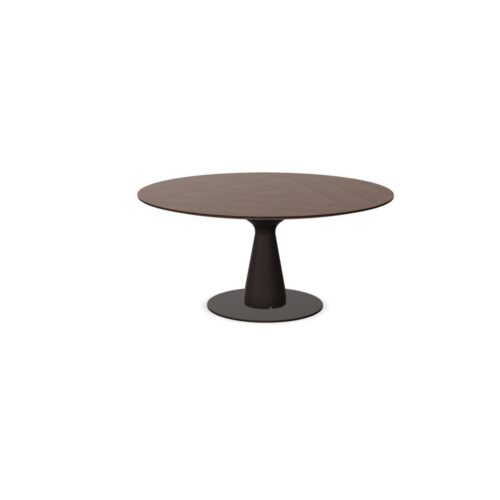
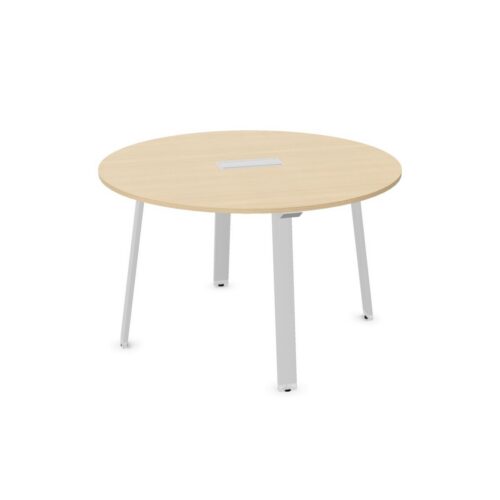
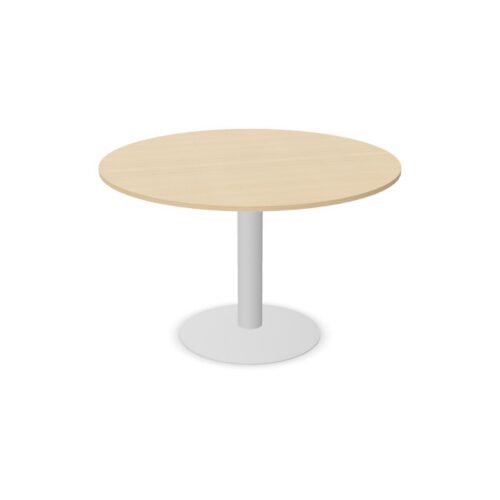
Consider the pairing from both seated and standing viewpoints. The circular edge is apparent in the room plan, while the pink base may be more noticeable from the entrance or along a nearby route. Chairs can change that balance once they surround the table. When comparing conference tables with round tops and pink bases, assess the assembled meeting setting rather than treating the tabletop and base as separate visual decisions. Decide whether the color should be a clear accent, a link to neighboring elements, or a quieter part of the surrounding palette.
Arrange People Around Shared Attention
For conversation, consider how participants will see one another across the top and how they will turn toward different speakers. Keep the center available for whatever the meeting actually requires instead of assuming it needs decoration. Papers, notebooks, and devices can change how people use their places. If a wall display is involved, review sightlines from the intended chair positions. A round arrangement does not guarantee equally convenient screen viewing. Check the transition between speaking to colleagues and following presentation content, especially for sessions that alternate frequently between those activities.
