










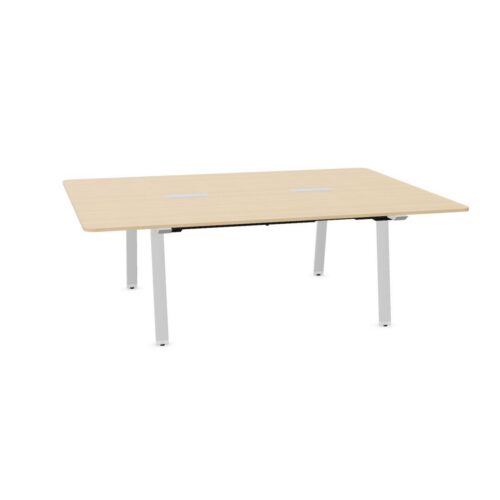

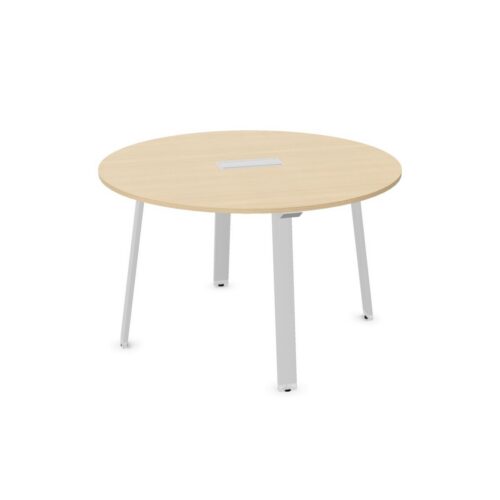


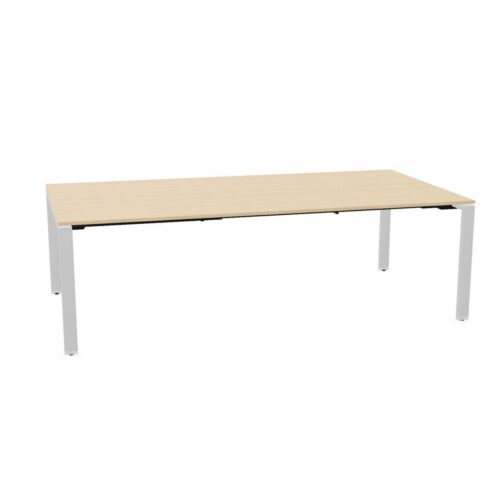
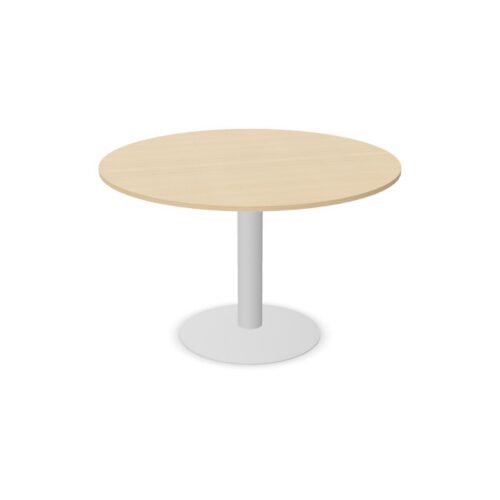



Give Pink a Defined Role
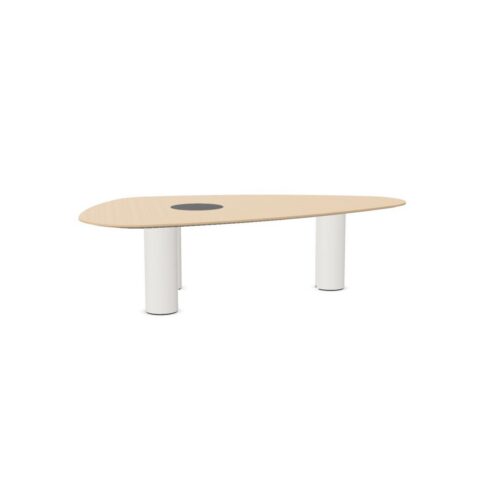
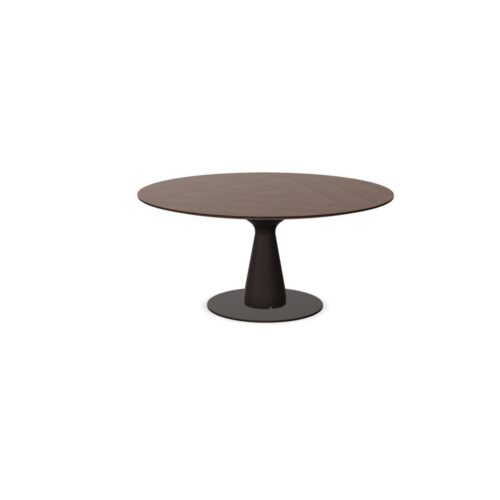
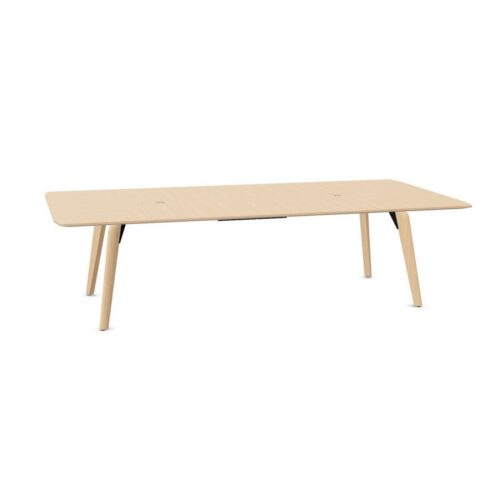
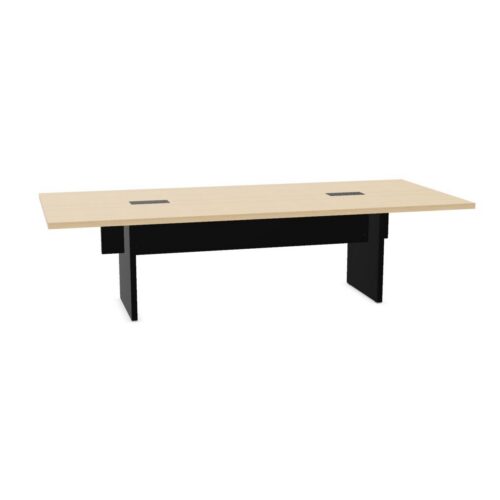
Decide what the pink base is meant to contribute before coordinating the rest of the room. It could provide the principal accent beneath an otherwise restrained meeting area, or connect with an existing color used elsewhere in the workplace. Both approaches benefit from a clear reference rather than scattered, unrelated additions.
There is no need to repeat pink on every surrounding item. A room can acknowledge the base color through a limited selection of related accents while allowing the tabletop, chairs, and background surfaces to retain their own roles in the overall arrangement.
View Conference Tables With Pink Bases Seated
A view from the doorway does not show the whole visual relationship. Once participants sit down, chairs and personal belongings change how much of the base can be seen. Review the arrangement both with chairs tucked in and with them positioned for a meeting.
Conference tables with pink bases may read differently from opposite sides of the room if the background changes. Look toward the table from the main entrance and from frequently used circulation routes. This helps determine whether the color feels deliberately placed throughout the room rather than only from a preferred viewpoint.
Coordinate Chairs Without Forcing a Match
Chair upholstery and frames sit directly beside the base, making them useful starting points for comparison. Consider whether those elements should echo the pink, provide a neutral setting for it, or establish a deliberate color contrast. Avoid assuming that similarly named pinks will look identical together.
When comparing conference tables with pink bases, keep the intended chairs in the picture. Their position matters as much as their color. Check that the base arrangement and seating positions work together, and that people can leave their places without interrupting the main route through the meeting space.
