

Pink Bases Beneath Rectangular Conference Surfaces

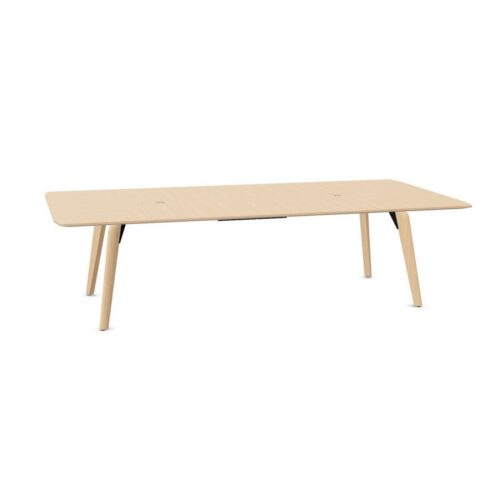
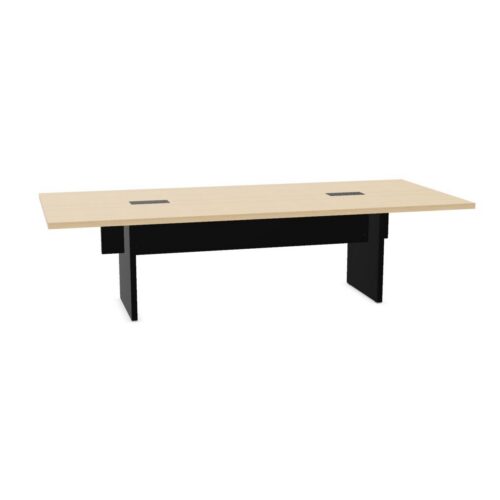
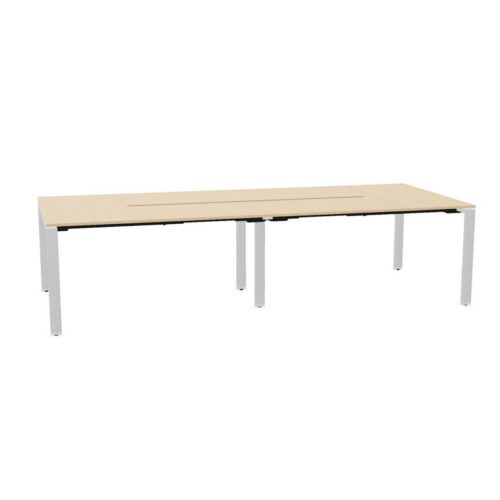
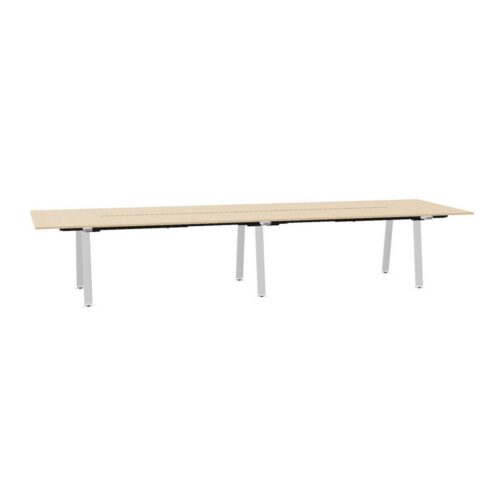
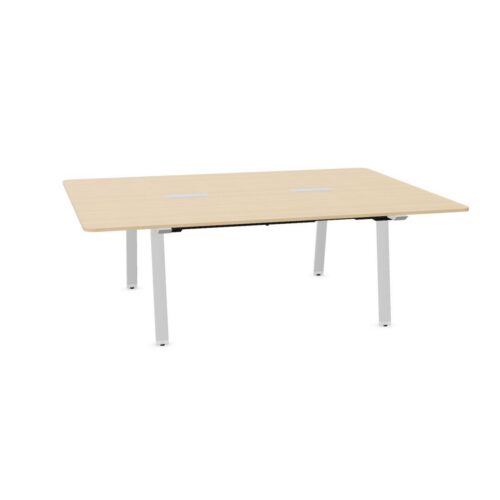
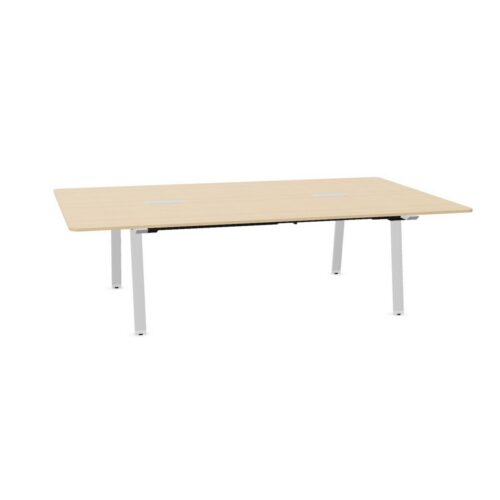
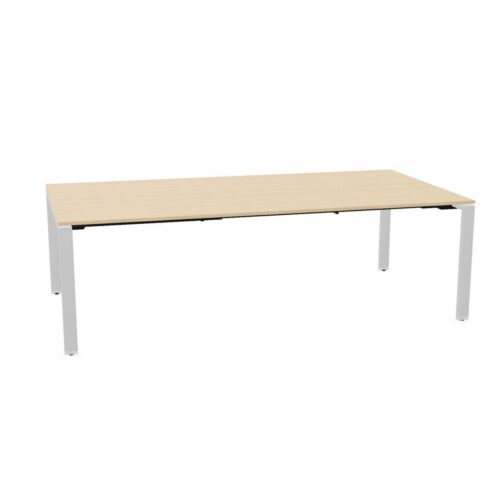
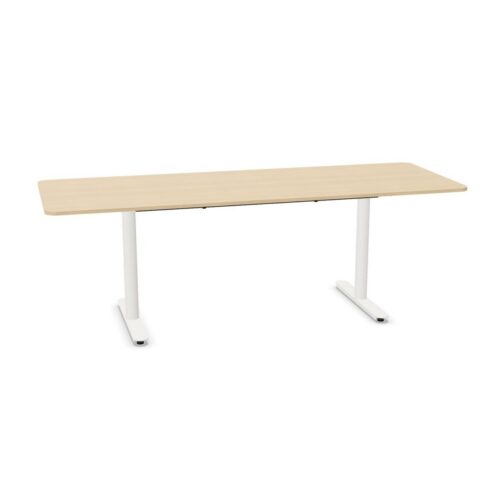
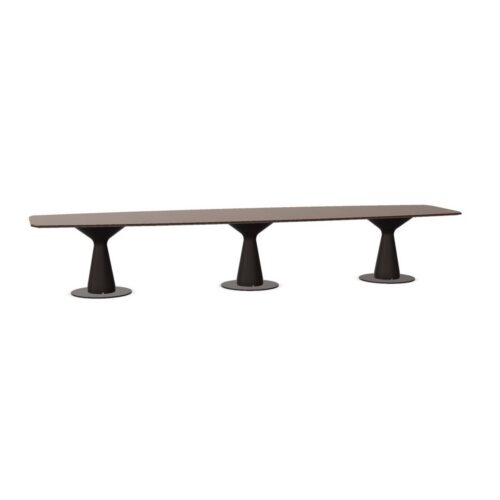
Conference tables with rectangular tops and pink bases combine straight-sided meeting organization with pink beneath the surface. The rectangle establishes clear edges for arranging chairs and a direction to consider when planning presentations. The base color adds a separate visual choice: whether pink should connect with another room element or remain concentrated around the table.

Assess that choice with the seating in place. Chair positions can conceal parts of the base, while the entrance view may reveal a different balance of color. Keep the practical plan central to the decision. People need usable approaches to their chairs and routes around the corners, and presentation rooms also need attention to screen views. Inspect support placement directly rather than inferring it from the base color. Once the arrangement works for meetings, compare the pink with the floor, chairs and nearby finishes under the room’s normal lighting.

8 models
From €12.16 p/m
30 models
From €16.42 p/m
5 models
From €17.16 p/m
3 models
From €7.87 p/m
5 models
From €25.05 p/m
4 models
From €50.98 p/m
2 models
From €44.55 p/m
2 models
From €42.78 p/m
3 models
From €54.41 p/m
2 models
From €35.90 p/m
3 models
From €31.22 p/m
5 models
From €8.30 p/m
5 models
From €31.26 p/m
6 models
From €6.15 p/m
13 models
From €8.10 p/m
6 models
From €5.43 p/m
5 models
From €10.64 p/m
2 models
From €34.54 p/m
2 models
From €46.78 p/m
2 models
From €6.72 p/m
2 models
From €47.29 p/m

Conference Tables With Rectangular Tops and Pink Bases

Choose the role of pink by looking at what surrounds the table. It may relate to a wall detail, seating or another visible accent, or appear as a separate color beneath the rectangular surface. Consider the arrangement from the entrance before deciding whether repetition is useful. A nearby pink detail can create a connection, but its position matters as much as its color. Then sit at the proposed table position and assess the view again. Chairs and adjacent furniture may change how the base appears. These checks help establish an intentional relationship without assuming that pink needs a particular decorative setting or meeting style.

Planning the Rectangle for Shared Work

Think about how information moves during meetings. Participants may discuss documents across the surface, address a colleague at an end or turn toward a shared display. The rectangular outline makes those directions clear, but the room plan should determine which ones matter most. Arrange chairs around the typical activities, then check the route from the entrance. Someone joining the meeting should be able to reach a place without interrupting the main exchange. Review movement around the corners and behind occupied chairs, especially where the table sits near storage. An orderly arrangement should remain practical when people are participating, arriving or leaving during a discussion.

Comparing Pink With the Surrounding Palette

Pink-base rectangular conference tables can be assessed against existing colors without assigning the room a particular identity. Compare the actual pink with the floor and seating, then consider the walls and any visible furniture beyond the doorway. A repeated accent may connect these views, while leaving pink concentrated at the table may create a different emphasis. Neither approach requires every item to share the same color. Check the combination in normal meeting lighting and in presentation conditions when those are used. Keep the tabletop appearance separate in the assessment, since the pink base does not establish the color of the surface above it.

Reviewing the Support Arrangement With Intended Chairs

Look beneath the top before settling chair positions. The base color does not explain the location or form of the supports, so each intended seating place needs a practical check. Include end positions if the meeting plan uses them, and consider how chairs move as people stand up. Rectangular meeting tables with pink bases also need an appropriate relationship with surrounding routes. A chair near a corner may affect access to a doorway or shared equipment even when its approach to the table is clear. Review these interactions together, then judge the visible balance of pink with the chairs in their normal positions.

For conference tables with rectangular tops and pink bases, map the intended seats before deciding how the table will sit within the room.

Keep conference tables with rectangular tops and pink bases in view while comparing placement, access and the surrounding interior.

FAQ: Pink Bases and Rectangular Workplace Tables

Does pink need to appear elsewhere in the room?

No. It can remain concentrated at the base. Compare that arrangement with a selectively repeated accent, using the entrance and seated views to decide which relationship makes sense for the room.

How can existing chairs be included in the plan?

Assess their colors beside the pink, then check their approach to the actual supports. Include movement backward from the table and passage behind occupied seats when reviewing the complete arrangement.

Can the same layout serve discussion and presentations?

Rectangular conference tables on pink bases can be planned around both activities. Check how participants face colleagues and turn toward the display, then confirm that presenter movement and entrance routes remain usable.

Explore related selections