

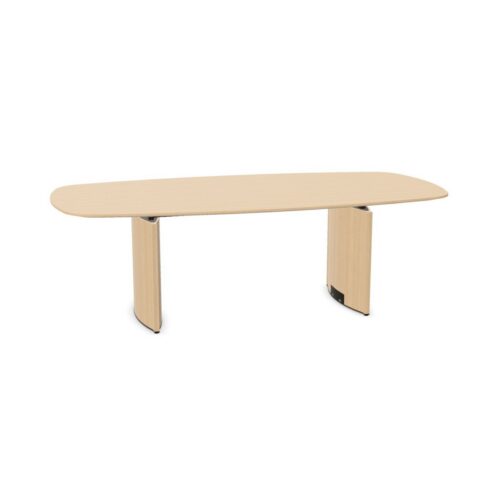
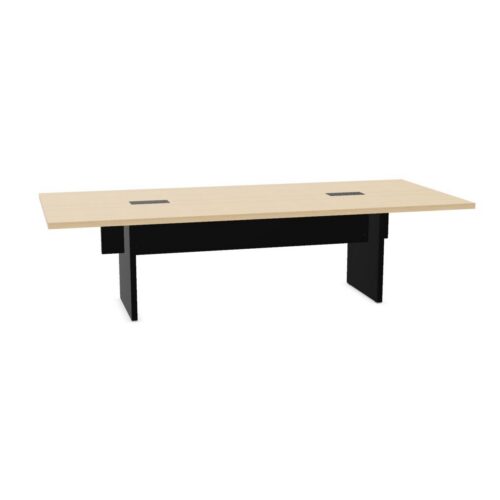
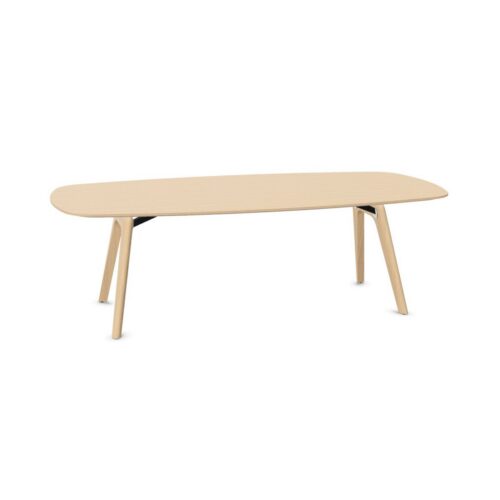
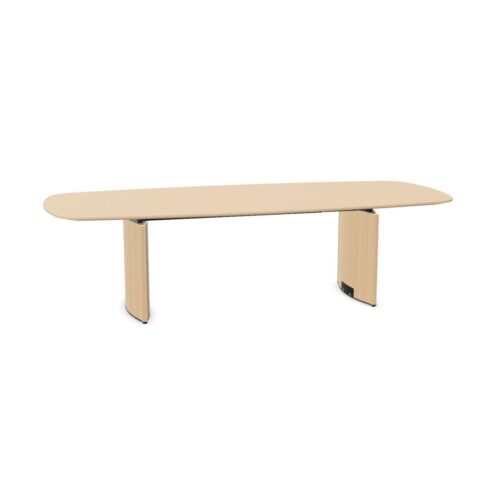
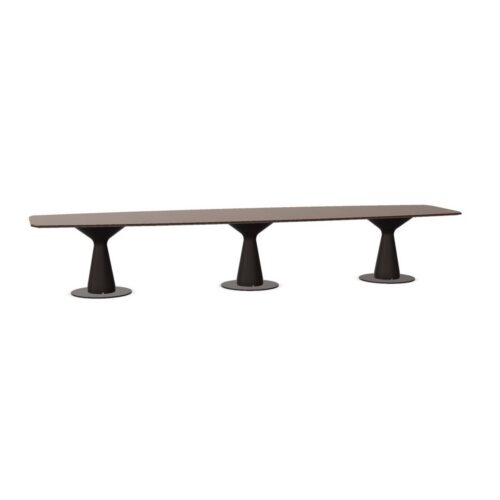
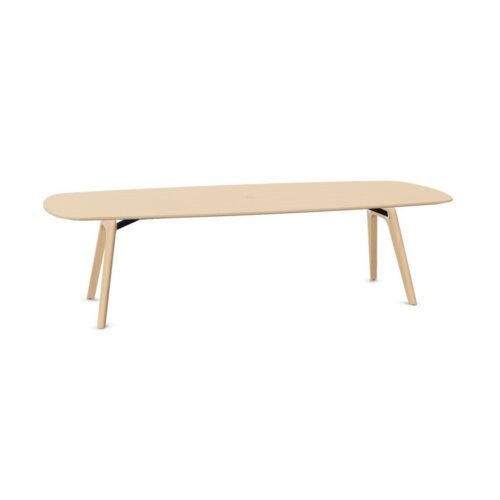
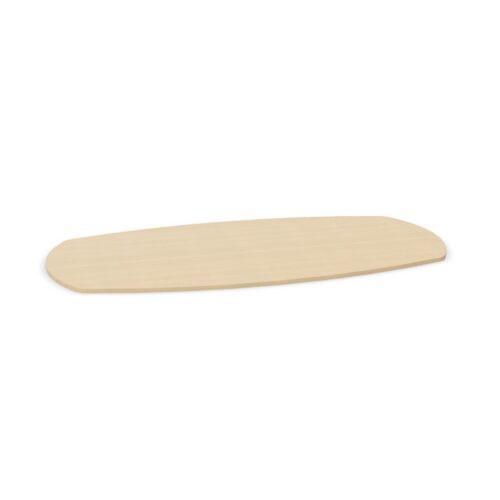
Gray Conference Surfaces With Both Sides Rounded

Conference tables with tops rounded on both sides and grey surfaces combine a gray color choice with a tabletop outline that needs considered chair placement. Evaluate the gray alongside the finishes already present, including chairs, flooring and visible storage. Then review how the rounded portions relate to the way people sit, turn toward shared information and move around the meeting area. Color coordination and practical placement should inform each other.

For a room used by different teams, begin with the activities that remain consistent across meetings. These may include discussion, individual note-taking and viewing a shared display. Plan those activities around the actual tabletop contour, keeping access to seats straightforward. Review the surface color in its intended lighting context rather than treating gray as an automatic match for every surrounding finish. This creates a more useful basis for a meeting setting that feels organized and works predictably.

18 models
From €27.49 p/m
8 models
From €12.16 p/m
8 models
From €30.83 p/m
30 models
From €16.42 p/m
5 models
From €25.05 p/m
2 models
From €9.37 p/m
13 models
From €8.10 p/m
5 models
From €10.64 p/m
2 models
From €125.31 p/m
€7.77 p/m
12 models
From €2.99 p/m
€25.85 p/m
12 models
From €55.42 p/m
3 models
From €39.32 p/m
2 models
From €18.08 p/m
2 models
From €5.54 p/m
18 models
From €42.84 p/m
8 models
From €23.66 p/m
10 models
From €14.47 p/m

Gray Conference Tables Rounded on Both Sides

Gray can be coordinated with many room palettes, but the particular relationship still needs to be assessed. Compare the surface with existing finishes rather than assuming that similar color names will produce a coherent result. At the same time, use the rounded tabletop portions to guide the chair layout. Each intended place should provide a useful working position and a practical approach. Bring those decisions together by reviewing the room from both standing and seated viewpoints. The arrangement should make sense when the table is clear, when papers are spread out and when participants turn toward a shared presentation area during a meeting.

Start With the Finishes That Will Remain

Identify the floor, wall finishes and storage that form the room's existing visual background. Compare the gray surface against them under the lighting normally used. Gray conference tables with both sides rounded do not need every surrounding element to match, but the relationships should be deliberate. If several gray finishes are already present, review their differences together instead of judging them separately. Chairs deserve particular attention because they sit directly beside the tabletop and change the composition when pulled back. Decide which elements should connect visually and where a different color can help distinguish the seating from the meeting surface.

Support Different Activities With Clear Orientations

Map the direction participants face during conversation and the direction they face when viewing shared information. The rounded sections may call for different chair angles, so test each intended position rather than repeating a single alignment around the table. For conference tables with gray surfaces and tops rounded on both sides, a practical orientation should support the room's regular activities without making access to seats awkward. Include the position of any writing area in the review. If people need to leave the table to contribute, check that their route remains clear and does not depend on neighboring participants moving their belongings.

Set a Consistent Arrangement for Shared Use

A shared room benefits from an arrangement that users can restore after a meeting. Give chairs sensible starting positions that follow the rounded outline, and identify where meeting supplies belong. Gray rounded-side conference tables should be reviewed with storage access and room entry included in that routine. Keep the surfaces and routes used for discussion separate from places where spare items accumulate. When furniture is moved for a particular session, the original arrangement should remain easy to understand. Use the room's recurring tasks as the reference: taking a seat, setting down working materials, seeing shared information and leaving without disrupting the next activity.

For conference tables with tops rounded on both sides and grey surfaces, map the intended seats before deciding how the table will sit within the room.

Keep conference tables with tops rounded on both sides and grey surfaces in view while comparing placement, access and the surrounding interior.

Compare how conference tables with tops rounded on both sides and grey surfaces relates to chair positions and shared views in the intended room.

FAQ About Gray Tables With Rounded Sides

Should different gray finishes match exactly?

They do not have to match exactly. Review them together in the intended room and decide whether their differences look deliberate. Include chairs and flooring, since both directly affect how the tabletop color is perceived.

How can the layout accommodate a writing area?

Check the view toward the writing area from each intended chair, then trace the route used by someone approaching it. Keep that route clear when other participants are seated and their working materials are in place.

What makes resetting a shared room easier?

Establish clear chair positions around the rounded outline and give supplies a defined storage place. Review the arrangement against recurring meeting activities so users can restore useful working positions without rearranging the whole room.

Explore related selections