

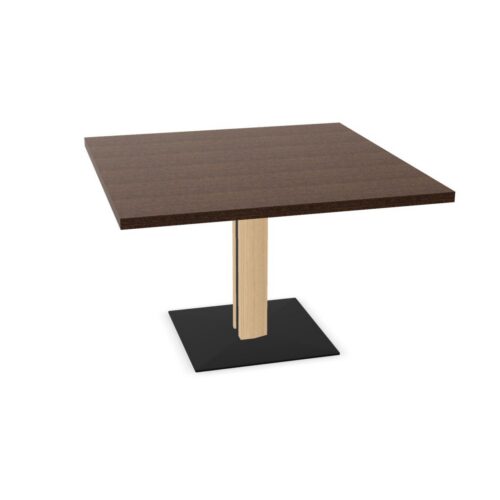
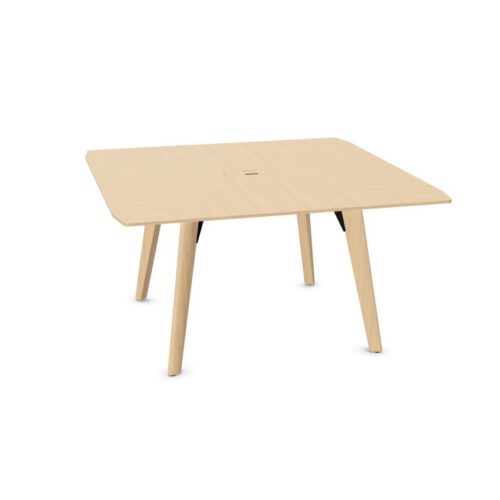
Square Conference Tops With Gray Bases

Conference tables with square tops and grey bases combine an equal-sided tabletop with a gray base color. The straight edges can help organize a meeting area around existing room lines, while gray offers a color connection to other neutral furniture and finishes. Its appearance will depend on the actual shade and surrounding palette, so avoid treating every gray element as an automatic match.

This combination calls for decisions about both placement and coordination. Begin with chair positions, access from the door and the direction participants will face during shared presentations. Then consider the base alongside nearby seating, flooring and storage. A square top may look orderly when aligned with the walls, yet a different orientation could provide a clearer approach. Likewise, the gray supports may blend into the room or remain visibly separate. Evaluate these relationships together, using the occupied meeting arrangement as the basis for the layout.

11 models
From €21.26 p/m
2 models
From €8.94 p/m
2 models
From €30.93 p/m
7 models
From €23.33 p/m
€42.11 p/m
2 models
From €2.13 p/m
2 models
From €4.93 p/m
2 models
From €6.73 p/m
2 models
From €17.92 p/m
11 models
From €15.25 p/m
4 models
From €23.04 p/m
5 models
From €16.03 p/m
2 models
From €13.06 p/m
13 models
From €8.10 p/m
6 models
From €5.43 p/m
11 models
From €11.32 p/m
15 models
From €16.44 p/m
2 models
From €17.36 p/m
18 models
From €42.84 p/m
6 models
From €48.77 p/m

Comparing Conference Tables With Square Tops and Grey Bases

Gray can serve as a connection between several room finishes, but its role depends on what surrounds it. Compare the base beside the actual chairs and floor rather than relying on the color name alone. A base that looks subdued against one background may appear more distinct against another. Consider if you want the table supports to relate closely to existing furniture or provide a separate neutral element. Keep the square top in the same assessment: its straight outline may already give the table a clear presence without requiring strong color contrast below.

Making the Presentation Wall Part of the Plan

Where meetings include a shared display, begin with viewing positions before arranging the chairs into a symmetrical pattern. Participants seated along different edges of a square top will face different directions. Check whether they can follow a presentation and return to group discussion without awkwardly repositioning themselves. The most visually centered table position may not produce the most useful views. Keep the route to presentation controls accessible, and consider how someone entering the room will reach a seat while the screen is in use. Gray base color does not change these practical requirements.

Organizing Movement Between Straight Edges

Conference tables with square tops and grey bases often sit among other furnishings with straight edges, including storage and work surfaces. Use those lines to clarify the room arrangement, but check what happens between them. Doors need usable approaches, storage needs access and occupied chairs need room to move. A square corner beside a frequently used route deserves particular attention. Walk through the expected arrival sequence and consider departures during a meeting as well. Position the table so the room remains usable throughout the discussion, rather than only looking orderly when every chair is tucked in.

Keeping a Neutral Palette Deliberate

A room containing several neutral finishes can still look varied. Decide which elements should connect: the gray base might relate to seating, while the tabletop and storage establish another relationship. Examine the actual finishes under the room's normal lighting, since a color label does not describe every visible difference. Avoid assuming that a neutral base makes all other choices interchangeable. Chair frames remain visible beneath the table, and the square outline will interact with nearby furniture. A coherent arrangement comes from choosing those relationships deliberately while preserving the access and seating positions the room needs.

Frequently Asked Questions

Should every gray finish match?

No. Related gray finishes can coexist without appearing identical. For conference tables with square tops and grey bases, compare the actual supports with neighboring furnishings and decide which differences feel intentional within the room's overall neutral palette.

Can the table sit off center?

Yes. An off-center position may leave a clearer route from the door or improve access to storage. Check that the intended seats still have useful views and that the tabletop corners do not obstruct the room's main circulation path.

Does the base color indicate its construction?

No. Gray identifies a color, not a material or support configuration. Inspect the actual base arrangement when assessing chair placement and leg space. Treat appearance and physical suitability as related decisions that each need their own direct review.

Explore related selections