

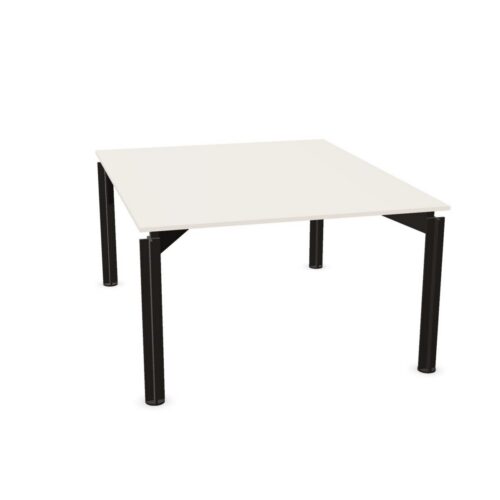
Square HPL Tables for Focused Conference Layouts

Conference tables with square tops and HPL tops pair a square tabletop with HPL as the material choice. This combination calls for a plan that considers both the defined sides of the table and its relationship with surrounding finishes. A square outline can give seating a clear arrangement, but the room’s presentation wall, entrance and storage still determine which positions are practical. Start with those relationships before deciding how the table should appear within the wider interior.

Square HPL conference tables are worth assessing through the activities that happen during meetings. A team reviewing a screen needs a different orientation from a group comparing papers across the surface. Consider whether those activities alternate and how chairs will be positioned for each. Review the actual HPL appearance separately, using the retained furniture as context, and keep routes around the tabletop corners open during normal room use.

8 models
From €30.61 p/m
18 models
From €27.49 p/m
6 models
From €28.06 p/m
2 models
From €30.93 p/m
7 models
From €23.33 p/m
€42.11 p/m
2 models
From €17.92 p/m
24 models
From €57.27 p/m
11 models
From €15.25 p/m
2 models
From €58.07 p/m
4 models
From €23.04 p/m
5 models
From €16.03 p/m
2 models
From €227.52 p/m
15 models
From €16.44 p/m
2 models
From €17.36 p/m
18 models
From €42.84 p/m
6 models
From €48.77 p/m

Orienting Conference Tables With Square Tops and HPL Tops

Place the presentation wall on the plan before arranging the square table. A tabletop edge can face that wall, but the resulting chair positions need to be checked individually. Participants seated along different sides may have different relationships with the screen. Assess the turn required to look at shared content, then return attention to the discussion or personal notes. If the room mainly supports conversation, a display should not automatically dictate the whole arrangement. Choose the orientation according to the most frequent activities, and verify that occasional presentation use remains practical without forcing chairs into the surrounding walking routes.

Separate Side Access From Corner Circulation

Use the straight sides to plan where people approach their seats, and use the corners to check changes in walking direction. These are related tasks, but they are not identical. A chair may be easy to approach from one side while blocking a route when pulled back. Review the entrance, access to the far side of the table and any route to a board or cupboard. Include occupied chairs in this exercise. The square outline provides a clear reference for the plan, yet the room only becomes workable when table placement and chair movement are considered as a single arrangement.

Make HPL Part of a Clear Surface Brief

For square conference tables with HPL tops, describe the intended visual relationship with nearby furniture before deciding on decorative details. The HPL designation identifies the tabletop material, while its actual appearance needs to be reviewed directly. Consider which existing surfaces are seen beside the table and which sit farther away. A comparison with the nearest cabinetry or seating may be more useful than trying to coordinate every finish throughout the workplace. Include relevant care information in the room handover so routine upkeep follows the guidance for the actual surface. Material selection and room organization should support the same everyday meeting routine.

Rehearse a Meeting Before Finalizing Placement

Test the arrangement using a typical sequence: entering, taking a seat, placing work materials, viewing shared content and leaving. For a square HPL meeting table, pay attention to what happens along each side rather than judging only the overall room view. Ask whether personal belongings occupy shared work areas and whether participants can move without disturbing papers. Then test access to surrounding furniture during the same session. This practical rehearsal can expose conflicts that a tidy drawing leaves unclear. Adjust the table's position or chair arrangement according to the tasks involved, while keeping the established circulation routes easy to recognize.

Questions About Square HPL Meeting Tables

Is a centered table always the best arrangement?

No. The entrance, presentation wall and storage access may suggest another position. Judge placement through the routes and working positions it creates, rather than symmetry alone.

How can screen viewing be checked?

Review the view and body orientation from every intended seat. Include the change between watching the screen and working at the tabletop, since meetings often involve both activities.

What does HPL tell the room planner?

It establishes the tabletop material. Review the actual appearance and relevant care guidance separately, then coordinate those details with the square layout and the room's existing furniture.

For conference tables with square tops and hpl tops, map the intended seats before deciding how the table will sit within the room.

Keep conference tables with square tops and hpl tops in view while comparing placement, access and the surrounding interior.

Explore related selections