









Evaluating Conference Tables With Trigoon Tops
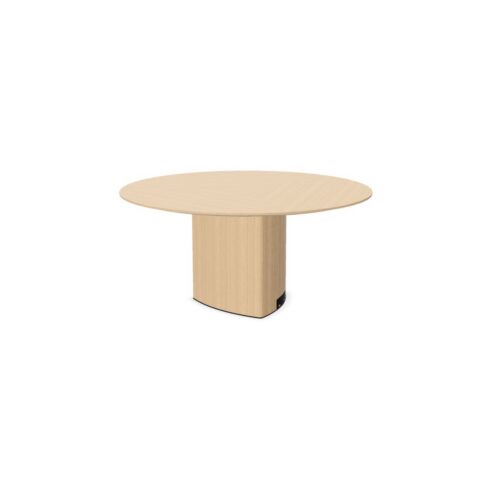
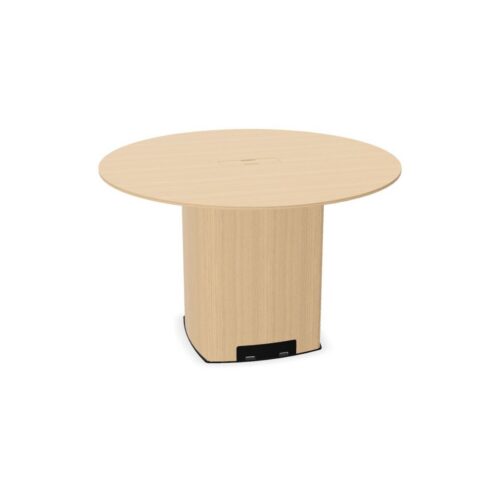
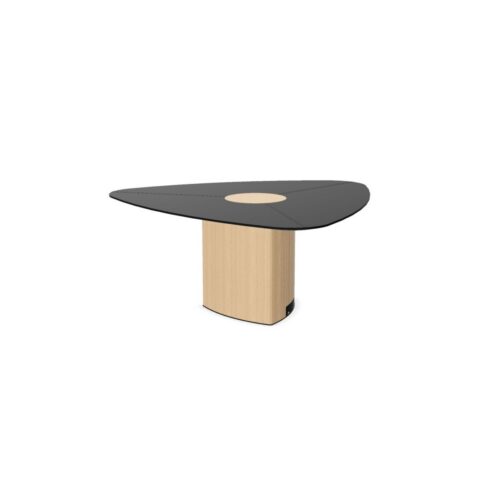
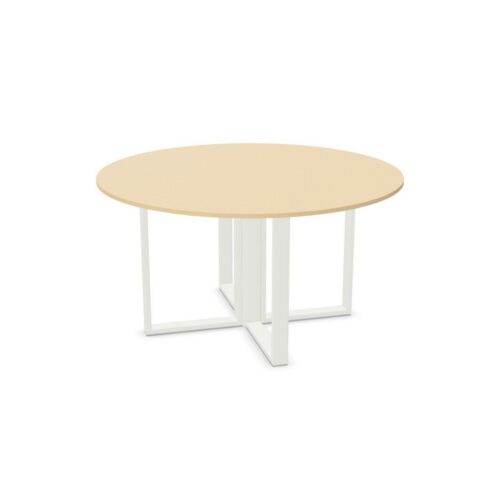
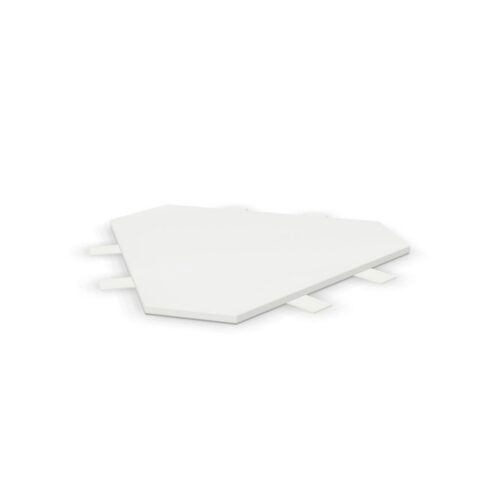
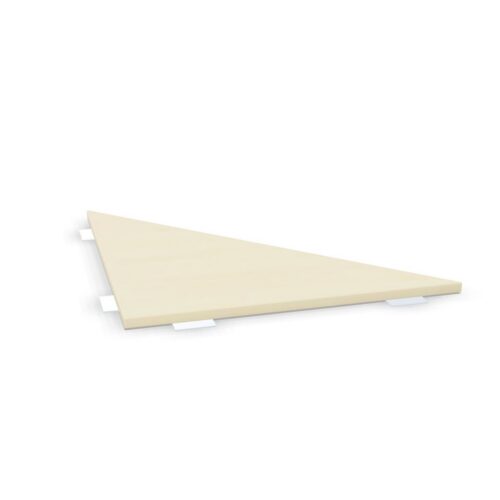
Use a realistic meeting activity to assess the outline rather than treating its name as a complete seating plan. Place the materials normally used during a session at the intended working positions and consider how participants face one another. Conference tables with trigoon tops need an arrangement that follows their actual perimeter and the support structure beneath it. Check where a chair can approach comfortably and where a working area might overlap a neighboring position. The aim is to understand the relationship between people, materials and the tabletop before deciding how the table should sit within the wider room.
Separating Conversation From Connection Needs
The absence of a cable tray is most useful to assess against the meeting routine. A conversation based on spoken contributions and paper places different demands on the table area from a session involving connected laptops. Identify which activities occur regularly and which are occasional. If devices are used on battery power, establish that this fits the workplace routine rather than assuming it will always be possible. When cables are required, plan their organization separately and follow their route from the room supply. Keep temporary leads out of chair movement areas and routes used by people arriving or leaving during the discussion.
