

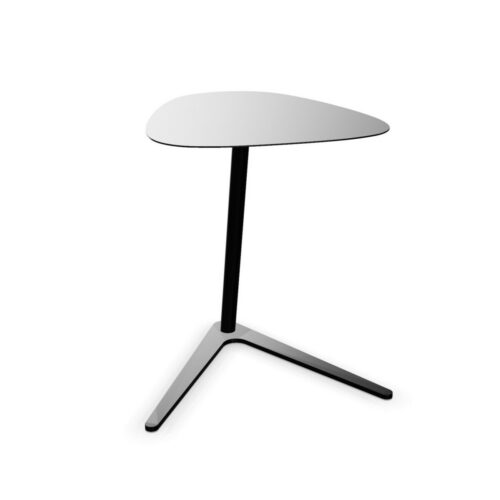
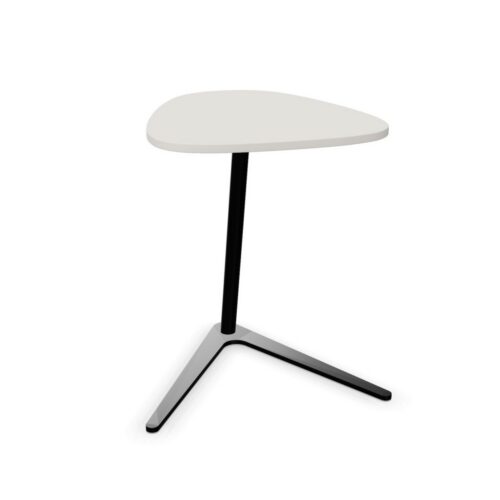
Purple Trigoon Tables for Meeting Spaces

Conference tables with trigoon tops and purple surfaces combine a recognizable color choice with a tabletop outline that needs deliberate placement. Begin by deciding how the room should support conversation, presentations and written work. The purple surface contributes to its visual identity, while the trigoon perimeter shapes the relationship between chairs, working positions and routes around the table. These choices are most useful when considered together.

Look beyond the table’s appearance from the doorway. A participant will experience the purple alongside the chair, the wall opposite and any screen or writing surface used during the meeting. Review those relationships from the intended seats. Then check how people reach those positions and where meeting materials belong. This approach gives the purple trigoon top a clear place in the room while keeping the layout grounded in everyday workplace use.


Conference Tables With Trigoon Tops and Purple Surfaces

Decide what visual role the purple surface should play before coordinating the rest of the room. It might be the main color reference or sit within an existing palette that already includes related accents. The trigoon outline adds a separate planning requirement: chair positions should follow the actual perimeter and the needs of the meeting. Assessing color and seating together avoids treating appearance as a decision made after the layout is complete. Review the composition from the entry point, then from the places people will occupy. Both views matter when establishing a room that feels coherent during actual use.

Arrange the Room Around Conversation and Display

Locate the shared focal points used during meetings, such as a screen or a writing area, and test the proposed seating against them. Purple trigoon conference tables should be oriented according to these real viewing relationships. Do not assume that a chair arrangement suited to conversation will serve every presentation equally well. Allow participants to adjust their orientation without obstructing the route beside neighboring chairs. If the room supports activities on different walls, review each activity separately. The tabletop's color can remain a consistent visual reference while the arrangement around it responds to the practical demands of the meeting.

Compare Purple With Finishes Seen From Each Seat

A coordinated entrance view does not tell the whole story. From a seated position, the tabletop may be seen mainly against chair upholstery, a wall or the finish of nearby storage. Compare purple with those immediate surroundings, including any strong colors already present. Choose where repetition is useful and where a quieter finish would give the room more visual order. For purple conference tables with trigoon tops, assess the complete composition under the lighting normally used. Avoid making decisions about the depth or exact character of the purple from the color name alone; use the intended setting as the reference.

Preserve Clear Approaches Around the Table

Walk through the proposed approach to each seating position, including the routes people use while others remain seated. The trigoon outline should be checked against doors, storage access and the locations of presentation equipment. Keep the space used by an occupied chair separate from the route needed to pass behind it. Purple trigoon meeting tables also benefit visually from an orderly surrounding layout, because bags and spare equipment can obscure the intended relationship between the surface and the room. Assign those items a practical place and check that opening storage does not interrupt the route to a regularly used chair.

For conference tables with trigoon tops and purple surfaces, map the intended seats before deciding how the table will sit within the room.

Keep conference tables with trigoon tops and purple surfaces in view while comparing placement, access and the surrounding interior.

FAQ About Purple Trigoon Meeting Tables

Can purple work with an existing room palette?

Compare it with the finishes that will remain, particularly chairs and nearby walls. Decide whether purple should connect with an existing accent or serve as the room's main color reference before coordinating additional elements.

What determines the best tabletop orientation?

The intended chair positions, entry route and shared viewing directions should guide orientation. Test these relationships using the actual trigoon outline so the room supports both discussion and the presentation activities it regularly hosts.

Where should presentation accessories be kept?

Give them an accessible place that does not occupy a participant's working area or obstruct a chair approach. Check the arrangement with the accessories in use as well as when they are put away.

Explore related selections