



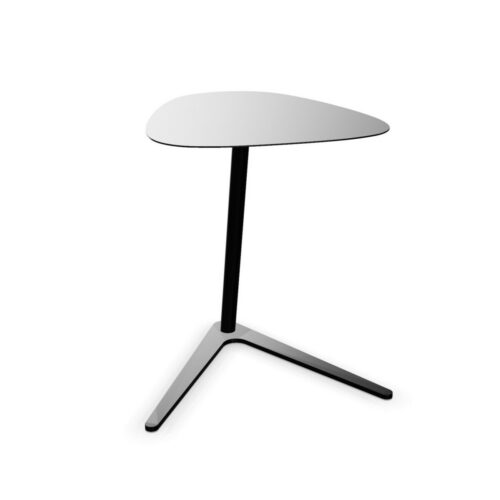
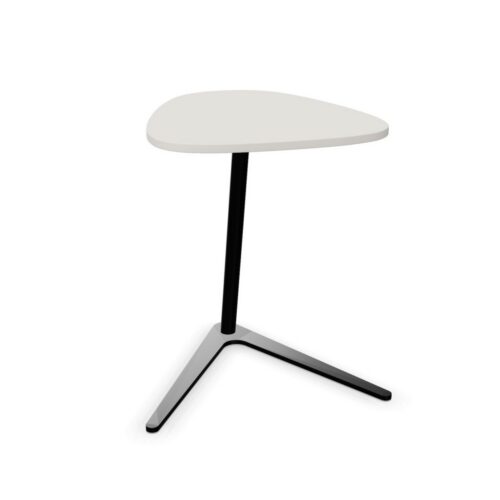
Conference Tables With Trigoon Tops and Yellow Surfaces
A yellow trigoon tabletop brings color and outline into the same planning decision. Establish the intended chair positions before deciding where the table belongs in the room. The perimeter should guide how people sit and approach their places, while the surface color should be assessed against the finishes they will see during a meeting. For a room used by different teams, favor an arrangement that is easy to understand on arrival. Keep the entrance route apparent, place shared resources where they can be found and avoid surrounding the table with furniture that obscures its outline or complicates access.
Evaluate Yellow Under Everyday Meeting Light
Look at the proposed yellow surface in relation to both daylight and the room's usual artificial lighting. The aim is to judge the color in its working context, including nearby walls and chair finishes. Yellow trigoon conference tables should be considered from seated positions as well as from across the room. Also check how lighting fixtures and windows sit within participants' normal lines of sight. If the room uses a presentation screen, review the lighting arrangement for discussion and presentation separately. Decisions about blinds, lamps and screen placement should support those activities without relying on assumptions about the tabletop finish.
Plan for Changes in the Direction of Attention
A discussion may begin with people facing each other and move toward a wall display later. Map both situations before fixing the table orientation. Use the trigoon outline to establish realistic chair locations, then check whether each position offers a workable view of the shared focal point. Leave room for people to adjust their chairs when the activity changes. With yellow conference tables with trigoon tops, the colored surface also helps define the visual center of the setting, so consider whether the display and table appear to belong to the same meeting area when viewed from the entrance.
