



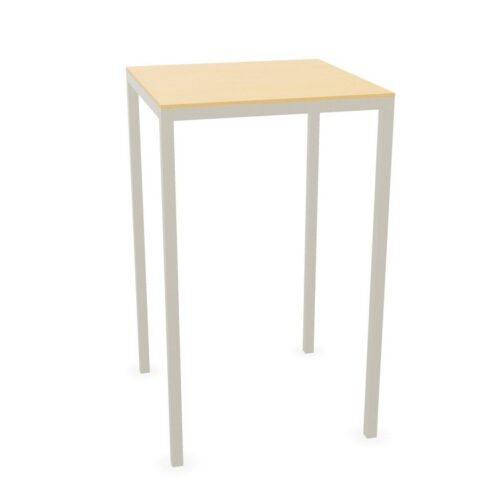


Assess Yellow Under Everyday Lighting
Examine the relationship between the tabletop and nearby surfaces under the lighting used for meetings. Daylight and room lighting may make color relationships appear different, so consider the conditions colleagues actually experience. Avoid assuming that every yellow surface has the same visual character. Compare the chosen shade with the walls, floor and chair upholstery, then look at the combination from a working position. The square outline should remain understandable within this setting. If nearby surfaces are similar in color, decide whether the chairs or another existing element already provides enough distinction to define the meeting area clearly.
Use Conference Tables With Square Tops and Yellow Surfaces
The tabletop geometry provides a useful starting point for organizing discussion, but the room still determines the practical arrangement. Identify the main presentation direction and the approach from the entrance. Position the square top so that its corners do not interrupt those movements. Then check where people will sit when the meeting focuses on shared papers instead of a display. The arrangement should accommodate both changes in attention and ordinary chair movement. Yellow remains part of the visual setting throughout, so assess its relationship to the presentation background from the positions where people are likely to work.
Follow Movement Around Occupied Chairs
When planning conference tables with square tops and yellow surfaces, assess movement with chairs in use. A route may appear open before people sit down, then become awkward when a chair is pulled back near a corner. Follow the path to the door and to any resources used during meetings. Check where colleagues pause to speak, collect papers or turn toward a display. These small movements should inform the table position. Once the route works, review the view from outside the room to see how the yellow surface and square outline fit the surrounding workplace.
