

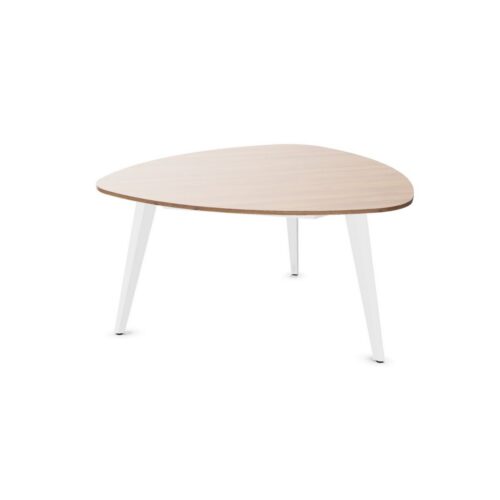
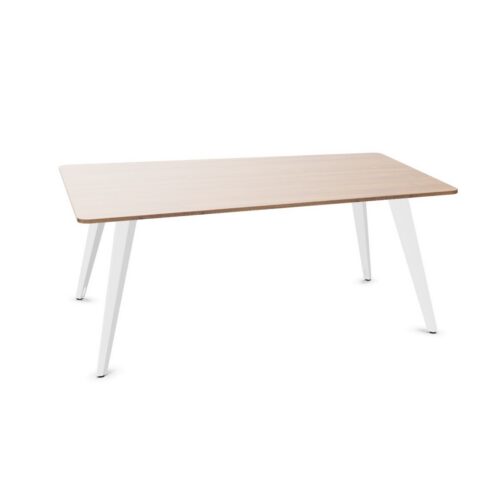
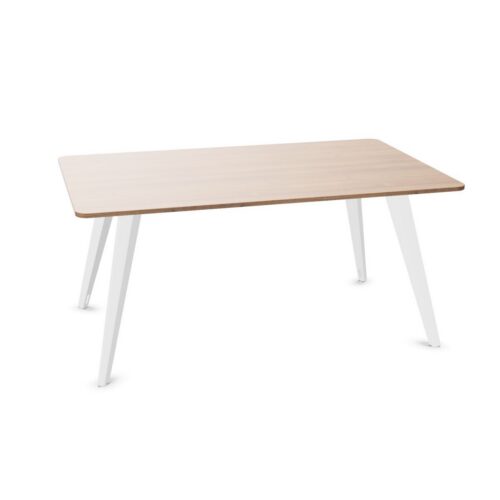
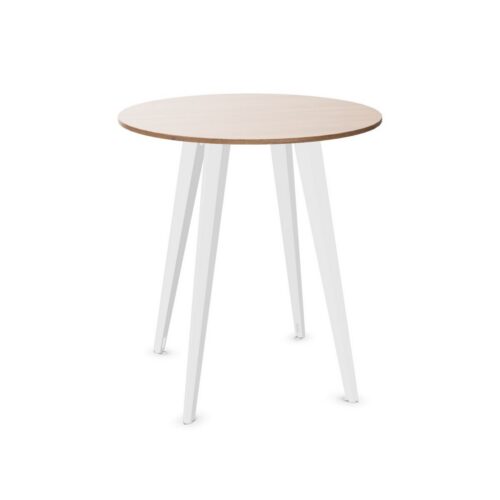
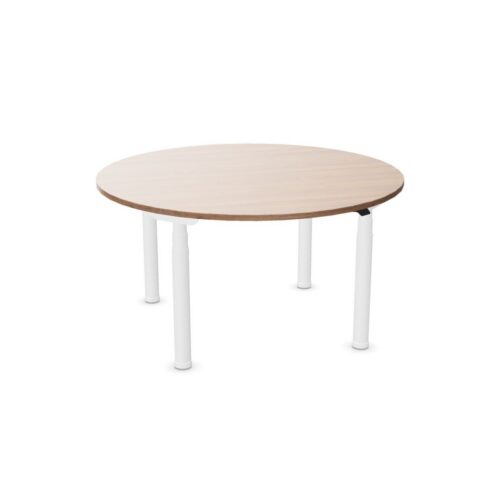
Trigoon HPL Tables for Conference Room Workflows

Conference tables with trigoon tops and HPL tops bring a distinctive meeting-table shape together with an HPL tabletop material. Their suitability for a room depends on the working relationships created around the actual outline. Consider where participants will place documents, how they will face shared content and where chairs will move during the meeting. HPL establishes the material choice, while the tabletop’s actual appearance should guide coordination with existing furniture and room finishes.

Trigoon HPL conference tables are best assessed through a typical meeting sequence, from entering the room to leaving a seat while others continue working. Begin with the room’s main focal point and test the intended chair positions against it. Then examine the routes around occupied seating and access to surrounding furniture. Keep these practical decisions connected to the surface scheme so the table has a considered place within the complete meeting environment.

15 models
From €16.44 p/m
2 models
From €17.36 p/m
2 models
From €11.95 p/m
4 models
From €25.07 p/m
3 models
From €25.69 p/m
5 models
From €24.25 p/m
4 models
From €25.60 p/m
€31.98 p/m
2 models
From €8.92 p/m
3 models
From €9.64 p/m
20 models
From €16.42 p/m
€19.72 p/m
€26.88 p/m
5 models
From €34.09 p/m
4 models
From €44.38 p/m
€24.15 p/m

Testing Conference Tables With Trigoon Tops and HPL Tops

Rehearse the room's usual meeting sequence before treating any furniture position as settled. Start at the entrance, approach a planned seat and place representative work materials on the tabletop. Consider the relationship between the chair and the nearby outline, then look toward the participants and any presentation area. The trigoon shape should be assessed through these actual positions rather than a seating pattern borrowed from another form. Continue the rehearsal by leaving the chair while other positions remain occupied. This brings together the working area, viewing direction and circulation route, revealing whether the arrangement supports the complete meeting rather than an empty-room view.

Make Presentation Views Part of the Seating Plan

A display gives the room a common viewing direction that may differ from the direction of conversation across the table. Check both relationships at each intended seat. Trigoon conference tables with HPL tops should be oriented according to the activities that matter most in that room. If screen use is occasional, assess the change from discussion to presentation rather than allowing the display to determine every placement decision. If shared content is central to the meeting, make viewing posture part of the initial plan. Include note-taking and document use in the same assessment so attention can move between the screen and the work surface.

Relate HPL to the Surrounding Working Environment

Develop the surface brief using the actual HPL appearance and the furniture that will remain. Consider which surfaces are seen beside the tabletop during use, including chairs and nearby storage. Decide whether the table should connect visually with those elements or have a distinct place within the room. The HPL name alone does not establish that relationship. Review the appearance from seated positions, where the tabletop occupies a different part of the view than it does from the entrance. Keep the relevant care guidance available for room management, making the material decision part of the practical handover as well as the visual plan.

Keep Support Activities Outside the Main Work Area

Meeting rooms also need space for retrieving documents, approaching a board and placing personal belongings. Identify where these activities happen around the trigoon HPL meeting table instead of leaving them to chance. Trace the path to storage with chairs in use, and consider whether someone can leave without crossing another person's working position. Keep bags and unused meeting supplies away from these routes. If the room supports different arrangements, review each one against the actual tabletop outline and surrounding furniture. A position that works for discussion may change access when the table is turned toward a presentation area, so retain a clear plan for each intended setup.

Questions About Trigoon HPL Conference Tables

Why test a meeting sequence rather than an empty layout?

Occupied chairs, work materials and people moving reveal relationships that an empty arrangement can hide. A rehearsal checks how the tabletop outline fits the room during ordinary use.

Can a display determine the table's orientation?

It can be the main reference when presentations dominate the room's use. Still check discussion positions, tabletop work and circulation before settling the arrangement.

What belongs in the room handover?

Include the intended furniture arrangements and relevant care guidance for the actual HPL surface. This helps future room setup preserve the seating, viewing and access relationships already considered.

Compare how conference tables with trigoon tops and hpl tops relates to chair positions and shared views in the intended room.

Assess conference tables with trigoon tops and hpl tops alongside circulation and the meeting's main viewing direction.

Explore related selections