

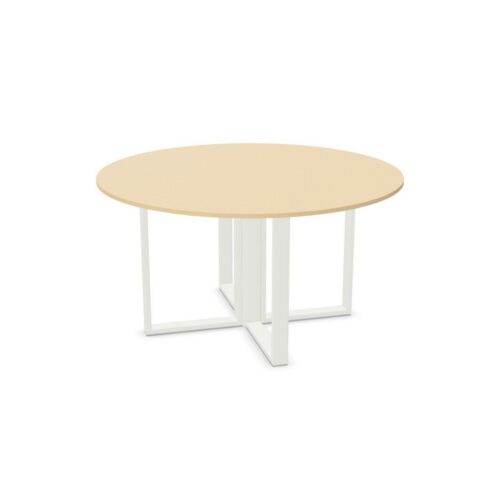
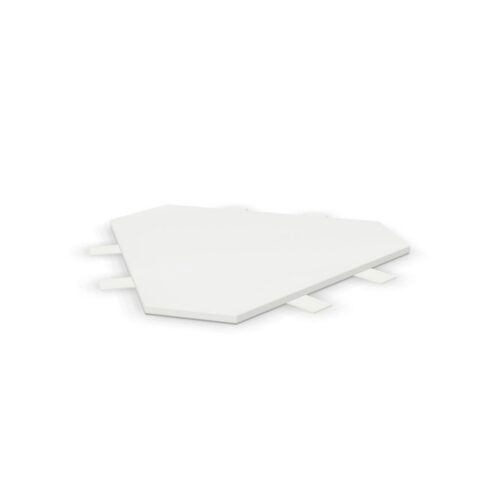
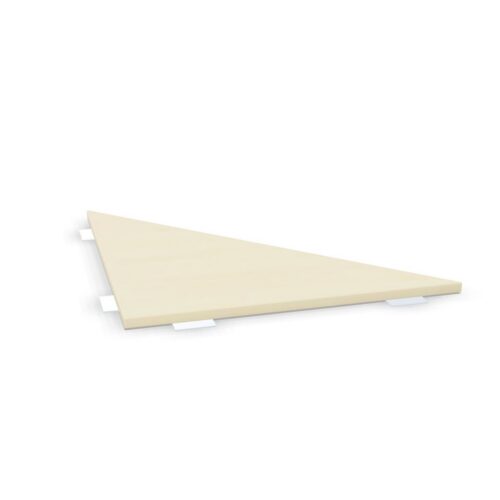
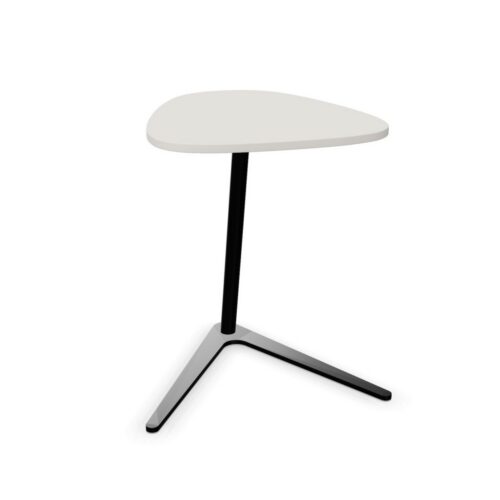
Trigoon Melamine Tables for Planned Conference Seating

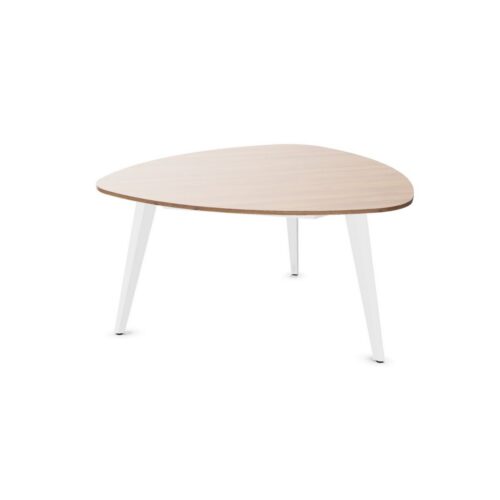
Conference tables with trigoon tops and melamine tops combine a distinctive tabletop outline with melamine as the material choice. Plan from the actual shape rather than transferring a seating arrangement from a square or round table. The relationship between each chair and the nearby edge matters, as does the way participants share documents across the surface. Melamine should be considered through the actual tabletop appearance and its connection with surrounding room finishes.

Trigoon melamine conference tables need a clear purpose within the meeting room. Decide whether the main activity is discussion, document review or attention toward a presentation area. Use that purpose to position the outline, then check seating and movement together. Include the routes to storage and the entrance before adding other furniture. A considered arrangement gives each intended working position a role while keeping the table’s material choice connected to the wider interior.

3 models
From €2.38 p/m
15 models
From €16.44 p/m
7 models
From €10.56 p/m
8 models
From €3.65 p/m
2 models
From €5.54 p/m
2 models
From €11.95 p/m
11 models
From €8.10 p/m
€15.68 p/m
2 models
From €3.69 p/m
4 models
From €25.07 p/m
3 models
From €25.69 p/m
5 models
From €24.25 p/m
4 models
From €25.60 p/m
€31.98 p/m
5 models
From €9.88 p/m
2 models
From €8.92 p/m
3 models
From €9.64 p/m
2 models
From €5.94 p/m
20 models
From €16.42 p/m
€19.72 p/m

Seating Around Conference Tables With Trigoon Tops and Melamine Tops

Start with the actual tabletop outline and mark where participants are intended to sit. At each place, assess the relationship between the chair, the nearest edge and the part of the surface used for work. Do not rely on a seating pattern taken from another table shape. Check how participants face one another and whether their work areas overlap during an ordinary discussion. The trigoon form should guide this exercise directly. Adjust positions according to the meeting activities, then review the arrangement as a whole. Each seat needs a practical approach from the room as well as a useful position at the tabletop.

Set a Clear Direction for Shared Content

Decide how information will be presented before assigning a permanent orientation. Documents on the tabletop, a wall display and a presenter all create different viewing relationships. Trigoon conference tables with melamine tops should be assessed against the content your team uses most often. Place representative materials on the proposed work areas and consider who can read them from each position. If participants alternate between shared content and personal notes, check that change in attention too. Keep the common work area deliberate rather than allowing it to form wherever belongings leave a gap. This makes the arrangement easier to understand and use throughout a meeting.

Develop the Melamine Scheme From Direct Comparisons

Review the actual melamine appearance alongside the surfaces that remain in the room. The material designation does not specify a color, pattern or visual relationship with existing furniture. Identify the elements seen closest to the tabletop, then compare those before extending the scheme to the wider workplace. The trigoon outline already gives the table a distinct presence, so decide how the surface should relate to that form and its surroundings. Look from the intended seats as well as the doorway. Keep relevant care guidance with the room information so the people responsible for upkeep can follow instructions appropriate to the actual tabletop.

Trace Access Around Occupied Seating

Use the outline and chair positions together to review movement. Follow the route from the entrance to each seat, including any position beyond the table from the doorway. Repeat the exercise with chairs pulled back and meeting materials in place. For a trigoon melamine meeting table, the route should be checked against the actual perimeter instead of inferred from a familiar rectangular arrangement. Include access to cupboards and any board used during meetings. Watch for personal belongings entering these paths. Resolve conflicts by adjusting placement or seating before adding other furniture, so the room's everyday movements remain clear during an active session.

Questions About Trigoon Melamine Conference Tables

Where should seating planning begin?

Begin with the actual tabletop outline and the meeting's activities. Assess each intended chair position in relation to the nearby edge, shared work and the route into the room.

How should a trigoon table face a display?

Compare the view from each planned seat and the posture needed to return to tabletop work. Choose the orientation that best supports the room's usual balance of presentation and discussion.

What should guide the melamine appearance decision?

Use direct comparisons with retained room finishes. Consider how the actual surface looks from working positions and the entrance, rather than assuming its appearance from the material name.

Keep conference tables with trigoon tops and melamine tops in view while comparing placement, access and the surrounding interior.

Compare how conference tables with trigoon tops and melamine tops relates to chair positions and shared views in the intended room.

Explore related selections