








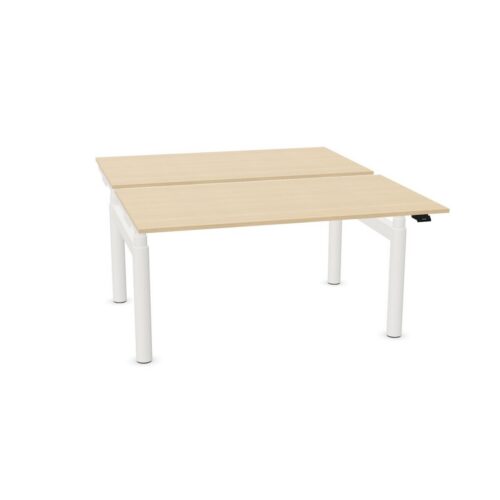
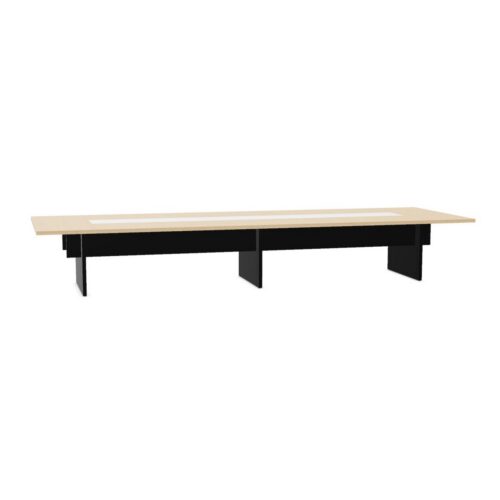
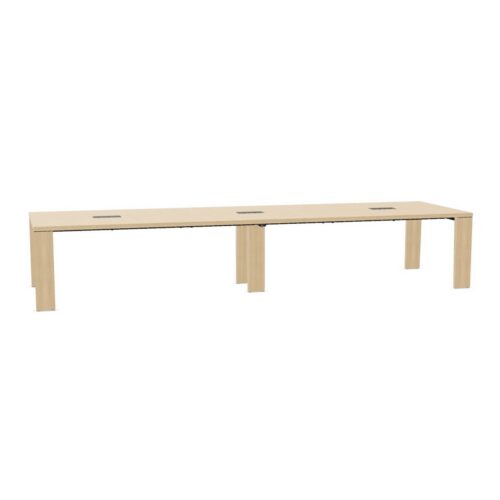
Choose white for a clear, composed workstation
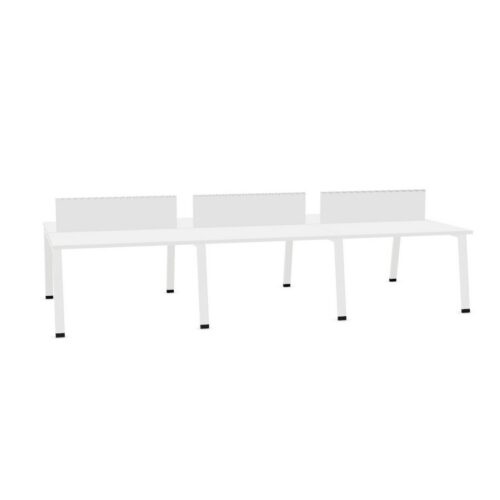
A white desk can help a work area feel visually open and can coordinate with pale walls, partitions and storage. It can also provide a clear point of contrast against darker surroundings. Think about the visual role you want it to play before selecting a model. A consistent white finish across a team area can create a calm rhythm, while different desk shapes can still support different tasks within that shared palette.
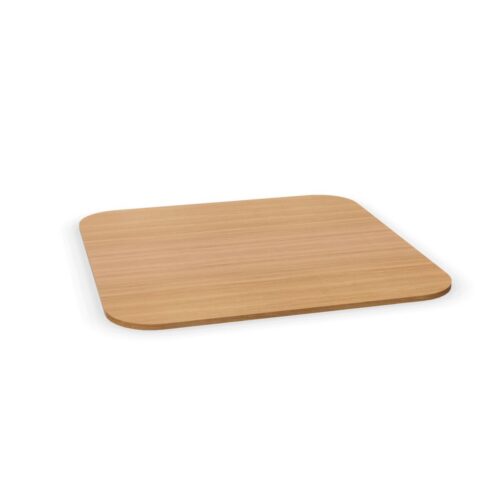
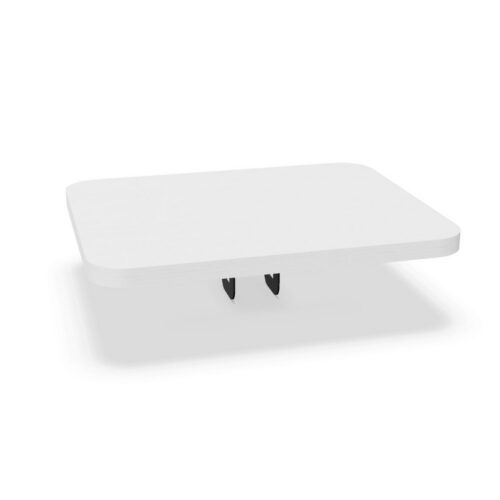
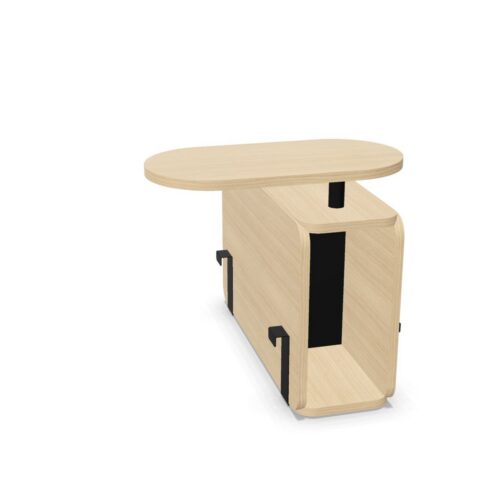
Check how the surface color relates to the rest of the room. White finishes can vary, and nearby materials can change how a tone appears. Consider flooring, seating, storage fronts and the equipment placed on the desk. Where several products are combined, use product-specific finish details rather than assuming that every white surface will match exactly. This helps prevent small variations from becoming distracting once desks are placed together.
Plan around a fixed working position
Fixed-height desks keep the work surface at a set position, so the user's chair and workstation setup become especially important. Consider who will use the desk and make sure the chair can be adjusted to support a comfortable posture at the chosen height. Position the screen and keyboard for the task, and allow sufficient room for the user to sit, stand up and move naturally around the workstation.
A fixed setup can be straightforward to manage in a room where desks are assigned and work routines are stable. It may also suit stations where the same equipment remains in place. If a desk will be shared, think about how different users can adapt the chair and accessories, since the desk itself does not change height. These practical choices help the workstation remain useful without relying on an adjustment mechanism.
