

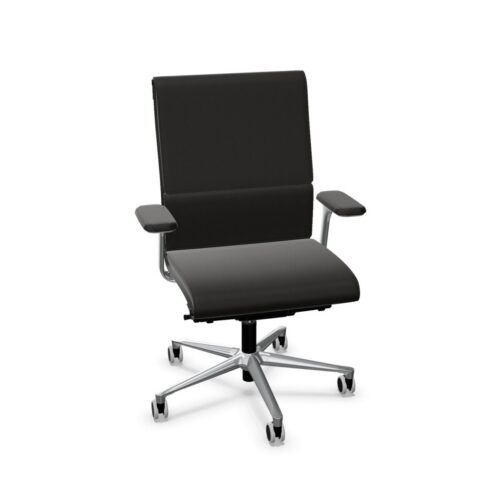
Silver Base Office Chairs With 4D Armrests

Silver base office chairs with 4D armrests call for two separate conversations: how the base belongs in the room, and how the arm support fits the work. Silver describes the base’s appearance without establishing what lies beneath the finish. The 4D armrests also need a practical explanation of their available movements. Begin with a sample chair in the intended setting, where lighting, desk heights and equipment can inform both the visual assessment and the seating trial before a specification is agreed.

An office manager can then connect those observations through a comparison record. Note the visible finish, confirmed base material, overall dimensions and armrest functions as separate details. These office chairs should also be assessed for seat fit, back support and access to controls. A coordinated base colour may matter across a room, but the staff using the chairs still need an appropriate workstation arrangement. Keep both considerations visible so that a consistent interior does not become the only measure of seating suitability.

18 models
From €15.83 p/m

Judge Silver Finishes Under Workplace Lighting

Bring the chair into the room and compare its base with the finishes already present on desks, storage and other furniture. Check it under the lighting normally used during working hours, rather than relying on an isolated image. Silver base office chairs with 4D armrests should be reviewed from ordinary seated and standing viewpoints as part of the room scheme. Record the appearance of the actual sample and any visual preferences that matter to the team. Keep those observations descriptive, since silver does not establish a precise surface treatment, texture or degree of reflectivity.

Identify The Material Beneath The Appearance

Ask for the underlying base material and finish specification before agreeing a maintenance routine. A silver appearance alone does not tell the facilities team which cleaning methods are appropriate or what surface changes need attention. Review the care instructions for the actual chair and distinguish base care from guidance for armrests, upholstery and other components. For office chairs in shared rooms, establish who will record and investigate visible damage. Include the base dimensions in the same record, so the appearance assessment remains connected to the physical space occupied by the chair during daily use.

Make The 4D Armrest Trial Task Specific

Set aside the visual comparison while users establish a working position at the desk. Confirm the available armrest movements and ask participants to operate the controls themselves. Assess silver base office chairs with 4D armrests through typing, mouse use and any other representative desk tasks. Record whether users can position their forearms appropriately while reaching the equipment, and check for contact beneath the desktop. The base should remain part of the trial through its actual footprint and relation to desk supports. This brings appearance and adjustment together without allowing either to substitute for complete chair fit.

Coordinate Rooms Without Standardising Every Setting

A common base appearance can form part of an interior brief, while individual working positions still need assessment. Compare silver base office chairs with 4D armrests using consistent visual references and a flexible user trial. Different staff may need different armrest settings, equipment positions or desk arrangements. Document those differences alongside the agreed finish rather than treating them as inconsistent results. Include seat and back support in the discussion, with their actual functions confirmed separately. The final room brief can then describe both the intended visual relationship and the practical conditions required for everyday use.

Silver Base Appearance And Armrest FAQs

Does Silver Mean The Base Is Aluminium?

Silver describes appearance and does not establish aluminium or any other underlying material. Request the base specification and finish details for the actual chair. Use those confirmed facts when reviewing maintenance requirements, overall weight or other characteristics relevant to the intended office setting and users.

How Can Different Silver Finishes Be Compared?

Compare physical samples in the intended room under its normal lighting. Place them near existing furniture and record the appearance you want to coordinate. Keep the assessment specific to the samples, since the word silver does not establish an identical texture, treatment or reflective quality.

Should Visual Consistency Determine The Armrest Position?

Armrest settings should be assessed around the user, task and desk arrangement. Office chairs can share a coordinated base appearance while requiring individual adjustment. Confirm the available movements, test equipment access and record clearance restrictions so the visual brief remains compatible with practical seating needs.

Explore related selections