

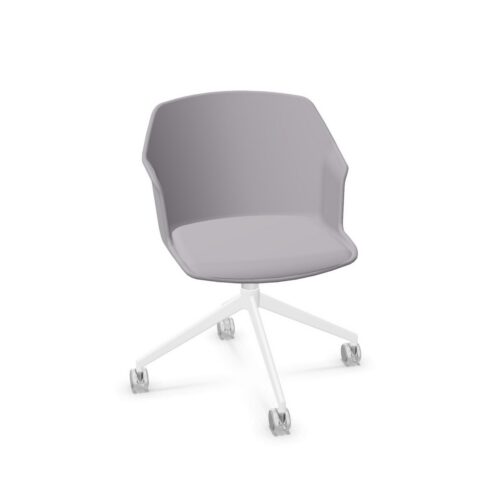
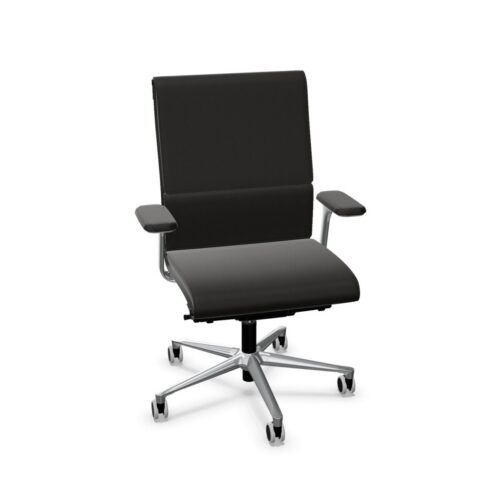
Armless Office Chairs With Silver Bases

Armless office chairs with silver bases raise a useful distinction between a chair’s outline and its visible finish. The seating has no armrests, while silver describes the base appearance rather than identifying its construction material. For an office manager coordinating an interior, those details can guide the first comparison, but they leave important questions open. Seat dimensions, back support, floor contact and the exact finish all need their own assessment before the seating is assigned to a particular office location.

Look at the room from both standing and seated positions. A base may relate visually to table legs or other fittings, while its footprint affects the space beneath the working surface. Compare office chairs within the complete arrangement, then ask representative users to try the main activities. This keeps interior decisions connected to practical use and avoids assuming that a silver appearance or an armless silhouette establishes the chair’s wider characteristics.

2 models
From €13.64 p/m
10 models
From €10.37 p/m
9 models
From €10.37 p/m
5 models
From €3.59 p/m
2 models
From €17.81 p/m
2 models
From €5.56 p/m
18 models
From €15.83 p/m
11 models
From €3.24 p/m
2 models
From €6.38 p/m

Set A Clear Role For The Silver Finish

Identify which existing surfaces the base should relate to and why. A similar tone may connect seating with table frames, while a different finish may create a deliberate distinction. Examine the actual appearance under the room's lighting, because silver alone does not establish sheen, texture or the precise visual effect.

Armless office chairs with silver bases should be reviewed alongside the furniture that will remain. Make a simple finish reference if coordination matters across several rooms. Confirm the base material and surface treatment separately, particularly where the maintenance plan depends on knowing more than the visible colour of the component.

Measure The Whole Chair Within The Layout

The absence of arms changes the chair's outline, but overall width and depth still require measurement. Check the seat, back and base against table positions and circulation routes. Include the room in use, since people approaching, sitting and leaving need space beyond the outline of unoccupied furniture on a plan.

Compare office chairs at positions with different constraints. A place near a wall, beside storage or adjacent to a table leg may need closer assessment than an open position. Record where the base extends and whether the seated person can reach the working surface at an appropriate distance for tasks.

Evaluate Support Without Letting Appearance Decide

Ask users to concentrate on the task before commenting on the finish. Seat depth, back fit and any confirmed adjustment options deserve specific observations. Where the chair has no armrests, assess how people position their forearms during writing, screen work or discussion, according to the activities expected in the room.

Armless office chairs with silver bases can then be compared through separate visual and practical records. This makes tradeoffs easier to discuss. An interior preference should be identifiable as such, while a repeated problem with fit or access should remain visible even if the finish coordinates well with existing furniture.

Preserve The Details Behind The Room Decision

Keep confirmed construction and care information with the finish reference. Silver does not establish which cleaning method is appropriate or how the surface should be repaired. Clear instructions help the maintenance team care for the actual material and finish rather than treating every visually similar base in the same way.

When moving armless office chairs with silver bases elsewhere, revisit both parts of the decision. The new room may change the visual relationship, the desk clearance or the floor requirements. Use the original observations as a starting point, then check the conditions that differ before extending the seating allocation further.

Questions About Silver Bases And Armless Seating

Does silver tell us how the base is made?

No. Silver is an appearance description and does not establish the underlying material, coating or construction method. Request those details where they affect maintenance or assessment. Avoid using colour as evidence of weight, strength or a particular metallic composition when comparing the complete chair for office use.

Should the base match every other room fitting?

That is an interior decision rather than a requirement established by the seating. Identify the surfaces that matter most and assess them together under normal lighting. A documented finish relationship is more useful than assuming that all items described as silver will appear identical in the same room.

How can visual preference be balanced with fit?

Use separate assessment entries for appearance, individual seating fit and furniture clearance. Invite representative users to demonstrate typical tasks and record specific observations. Compare those findings alongside the interior brief, so that a preference for a finish does not obscure practical requirements for the people using the space.

Explore related selections