

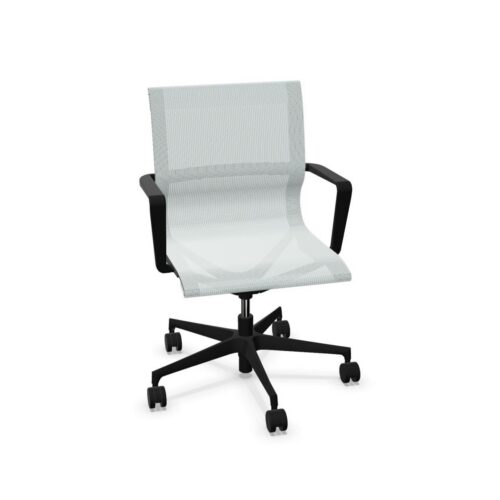
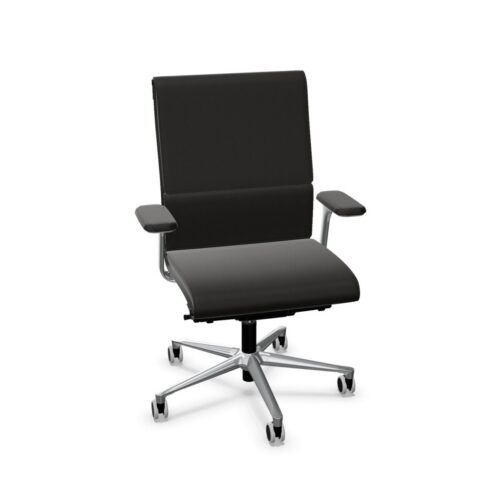
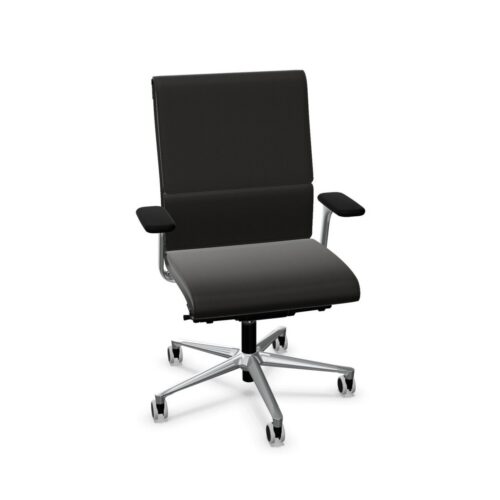
Silver Base Office Chairs With Fixed Armrests

Silver base office chairs with fixed armrests can be assessed from two perspectives: how the base coordinates with the room and how the arms relate to each seated person. Silver identifies the base appearance; it does not establish the underlying material or surface treatment. Fixed armrests establish a set arm position, which makes the relationship between chair, user and table especially important. Keep these visual and physical considerations distinct while deciding how the complete combination suits a shared workplace setting.

In meeting rooms and shared offices, seating may serve people with different proportions and habits. A consistent appearance can support a coherent interior, but the practical assessment needs to include access, sitting position and table clearance. Compare office chairs around the actual furniture arrangement, including end positions and places beside storage. Observe how people enter the seating space, position their forearms and move away again before deciding where this combination fits.

10 models
From €10.37 p/m
18 models
From €15.83 p/m

Read Silver As An Appearance Choice

Begin by identifying what silver needs to coordinate with: table legs, storage handles, partition frames or other visible fittings. Similar colour descriptions can still produce different visual effects. Review the base in the room's normal lighting and alongside the finishes that will remain, rather than judging an isolated image alone.

Silver base office chairs with fixed armrests do not imply a particular metal, gloss level or coating. Confirm those details separately if they matter to the interior or maintenance plan. Keep a record of the actual finish so that future room changes can be assessed against a clear reference point.

Shared Tables Need Several Seating Trials

A fixed arm position may interact differently with each table edge and supporting frame. Assess every distinct table design, including narrow desk openings and positions near legs. Ask people to sit at a useful working distance and check whether the arms interfere before they reach their normal position for tasks.

For office chairs used by several teams, a trial involving only one person provides limited evidence. Include different seated heights and preferred activities. Writing notes, using a laptop and participating in a discussion can place different demands on arm support, so collect observations that relate to the room's actual purpose.

Balance Visual Consistency With Personal Fit

Set separate criteria for the room and the person. The room assessment can cover base appearance, spacing and furniture coordination. The individual assessment should consider seat dimensions, back support and the fixed arm position. Keeping these records separate makes it easier to explain why apparently similar seats suit different locations.

Compare silver base office chairs with fixed armrests using those same criteria throughout the room. Avoid allowing an attractive finish to decide the outcome before people have tried the seating. If a particular position is restrictive, investigate the table relationship as well as the chair before drawing a final conclusion.

Keep The Seating Arrangement Understandable

Document where each seating type works and why. A room diagram can identify table positions with restricted clearance or awkward access. This information helps office managers preserve a workable arrangement when furniture is moved for workshops, larger meetings or changes in team size during the course of normal office use.

Silver base office chairs with fixed armrests also need clear care instructions for their actual surfaces. Establish how the base and arm contact areas should be cleaned, and identify who reports damage. The colour description alone cannot determine which cleaning products or repair methods are appropriate for the finished components.

Questions About Silver Bases And Fixed Arms

Is a silver base necessarily made from metal?

Silver describes appearance and does not establish the base material. Ask for the construction and finish details of the exact chair. This distinction matters when comparing maintenance requirements or documenting room finishes, because visually similar bases may have different underlying materials and different surface treatments.

Can fixed arms suit a shared meeting room?

They need assessment with the intended tables and a representative group of users. Check access, forearm position and the ability to sit close enough for the room's activities. A successful trial at one table position does not automatically establish the same fit around every other table.

Which details belong in a seating comparison record?

Record arm dimensions, seat fit, desk clearance, base appearance and confirmed care instructions. Include observations from different users and identify the table position assessed. This gives office managers useful evidence when comparing office chairs and deciding how to arrange a room for its regular activities.

Explore related selections