

Office Chairs With Fixed Arms And Height-Adjustable Backrests

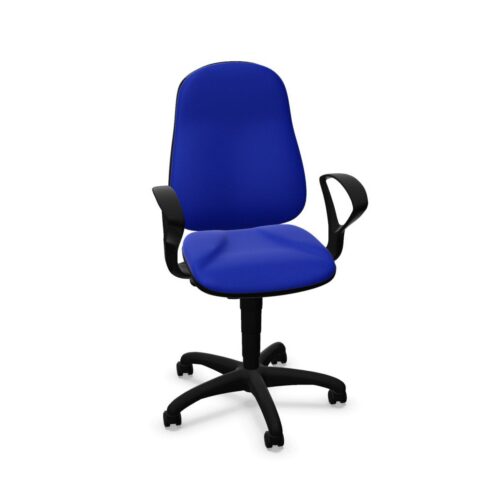
Office chairs with fixed arms and height-adjustable backrests require two different kinds of assessment: the arms must suit the workstation as they are, while the backrest can be positioned vertically for the user. Treat those features as connected parts of the seating arrangement. Moving the backrest may improve where it meets the back, but it does not change the fixed arms or resolve a collision with the desk. Begin with the working position each person actually needs, including keyboard access, mouse reach and space beside the body.

For an office manager, the useful comparison is how readily colleagues can establish that position and repeat it. Check the back height adjustment directly, including how users identify and retain their chosen setting. Then review the arms against the desk edge and the user’s seated position. Other characteristics of these office chairs, including seat adjustments and backrest movement, require separate assessment. Neither fixed arms nor adjustable back height establishes what those additional features provide for an individual workstation.


Establish Desk Access Before Backrest Setup

With office chairs with fixed arms and height-adjustable backrests, begin by checking whether the arms allow the required approach to the desk. Ask the user to work with the keyboard and mouse in their usual locations. Look for interference between the arms, desk edge and surrounding furniture. Because the arms are fixed, their position cannot be individually reset through an armrest adjustment. Record any restriction before adjusting the backrest, so a successful change in back contact does not distract from an unresolved problem with reaching the working surface during the same seating trial.

Position The Backrest For Each User

Once desk access has been assessed, explore the available backrest height positions. Ask the person to describe where support is felt and compare adjacent settings rather than assuming the highest position is preferable. Observe the user performing a familiar task after each meaningful change. Establish how the adjustment operates and whether the chosen position is straightforward to restore. Office chairs may be shared across people with different proportions, so an adjustment that exists still needs a practical assessment of its useful positioning range for the colleagues who will actually use it throughout the week.

Keep Fixed Arms In The Comparison

The adjustable backrest does not make every contact point adjustable. When evaluating office chairs with fixed arms and height-adjustable backrests, ask users to assess the arms after the backrest has been set. Check whether the elbows can rest where required without the shoulders being held in an unwanted position. Include activities that involve moving between typing, reading and conversation. A chair that permits suitable back contact still needs to suit the person's working width and approach to the desk. Keep these observations separate so the reason for a preference remains clear during team review.

Make Shared Desk Setup Repeatable

A shared seating arrangement benefits from a clear setup routine based on the controls actually present. Explain how to change backrest height and let users practise without relying on another colleague. If other adjustments are available, include them in the routine after checking their operation. Keep workstation differences visible: fixed arms may interact differently with separate desk designs. Compare office chairs in the locations where they will be used, and record any desk restrictions alongside individual feedback. This gives facilities teams useful information when reallocating seating or reviewing a change in office layout.

Fixed Arm And Adjustable Backrest Questions

Can backrest adjustment compensate for unsuitable fixed arms?

It changes where the backrest sits vertically, not where the fixed arms sit. Assess each issue independently. If the arms restrict desk access or do not suit the user, raising or lowering the backrest does not directly remove that restriction.

Does adjustable back height establish adjustable lumbar support?

No. Moving the backrest vertically and adjusting a separate lumbar support are different functions. Check what is actually available, then assess where the backrest contacts the user. Avoid assuming that every support element can be adjusted independently during setup.

What matters most when several colleagues share seating?

Office chairs with fixed arms and height-adjustable backrests need usable backrest positions for different colleagues and fixed arms that suit their desks. Test representative users, demonstrate the height control and document any access limitations before assigning shared seating locations.

Explore related selections