

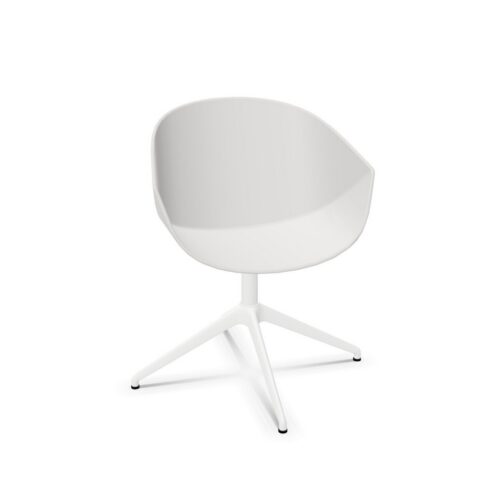
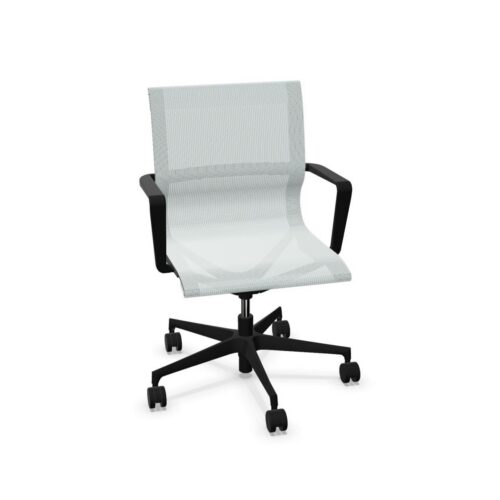
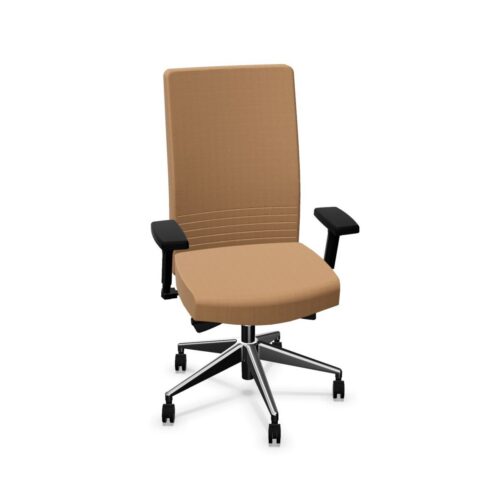
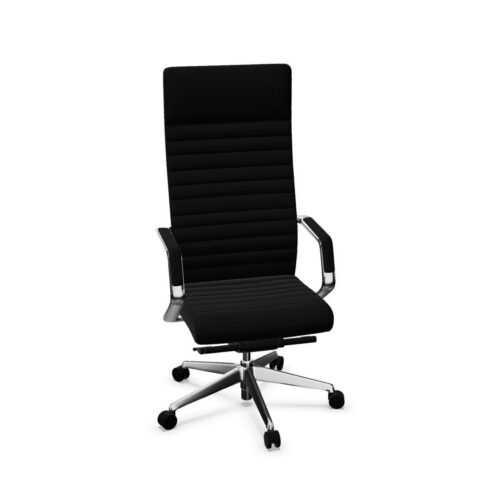
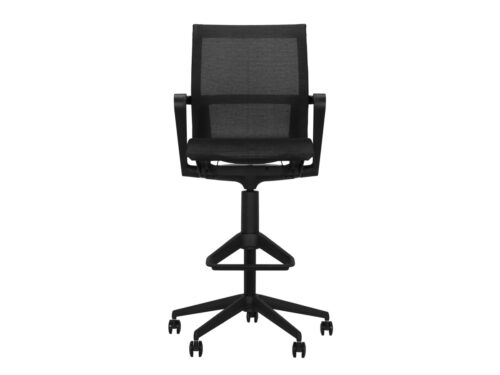
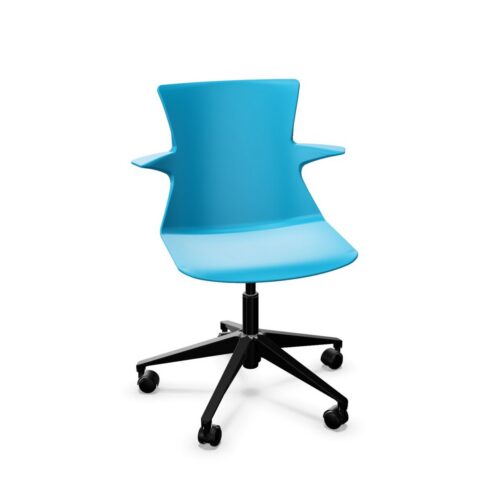
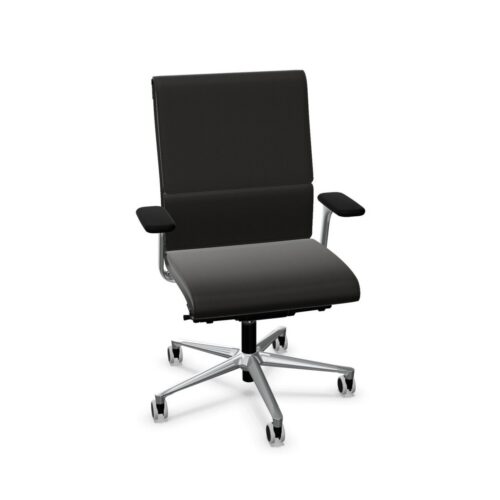
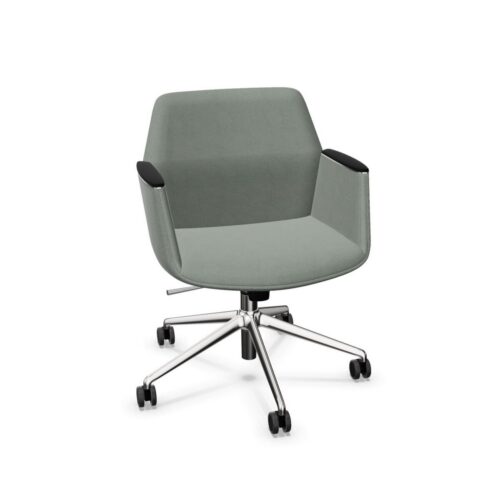
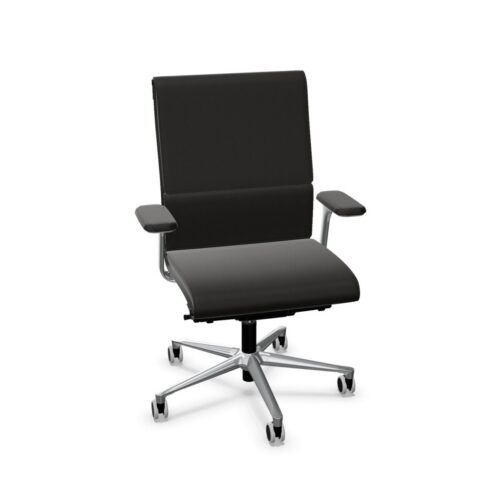
Office Chairs With Fixed Arms And Fixed-Height Backrests

Office chairs with fixed arms and fixed-height backrests place particular importance on matching the existing shape and contact points to the person. Neither arm position nor backrest height offers an adjustment to resolve a mismatch. That makes a seated assessment useful before assigning chairs to individual desks or shared work areas. Begin with the user’s ordinary task position, then examine how the arms, backrest and working surface relate to one another. Each needs attention; a suitable backrest position alone does not establish suitable arm support.

For office managers comparing office chairs, this combination calls for a clear distinction between fixed features and any other available settings. Fixed backrest height does not describe tilt, and fixed arms do not establish seat height or seat dimensions. Check those matters separately. The central question is whether the chair’s unchanging arm position and backrest height suit the intended users at their workstations. Include everyday movements in the assessment, as well as a brief check while sitting still.

6 models
From €6.87 p/m
3 models
From €8.88 p/m
2 models
From €19.56 p/m
3 models
From €23.12 p/m
2 models
From €35.28 p/m
4 models
From €28.11 p/m
6 models
From €23.37 p/m
5 models
From €17.49 p/m
6 models
From €10.09 p/m
10 models
From €10.37 p/m
3 models
From €7.48 p/m
2 models
From €23.78 p/m
3 models
From €1.78 p/m
7 models
From €13.90 p/m
€9.00 p/m
2 models
From €20.66 p/m
4 models
From €11.91 p/m
2 models
From €45.80 p/m
3 models
From €22.88 p/m
18 models
From €15.83 p/m

Match Existing Contact Points To The Person

Approach office chairs with fixed arms and fixed-height backrests as a fit assessment involving two set positions. Ask users to sit as they normally would while completing a familiar task. Note where the backrest contacts the back and where the elbows meet the arms. If either position is unsuitable, identify that issue directly rather than searching for a control that the feature does not have. Other settings may affect the overall sitting position, but their presence and practical effect must be checked individually before drawing conclusions about whether the chair suits that person.

Reproduce The Workstation Arrangement

A trial away from the desk leaves an important part of the comparison unanswered. Bring the chair to the intended working surface and check how closely the user can approach it. Observe whether fixed arms meet the desk edge, constrain movement or interfere with nearby furniture. Use ordinary keyboard, mouse and document positions rather than arranging an artificial demonstration. Office chairs should be evaluated with the workstation in its normal configuration wherever possible. This reveals whether an apparent seating issue comes from the chair's fixed geometry, the desk arrangement or their relationship in practice.

Plan Allocation Around Actual Fit

When allocating office chairs with fixed arms and fixed-height backrests, avoid treating a successful trial by one colleague as evidence for the whole department. Different users may experience the same fixed positions differently. For shared seating, involve the people who will regularly occupy the space and record any consistent restrictions. Where individual allocation is possible, retain the reasons each chair suited its intended user. This makes later seating changes easier to assess and gives the office manager a clear basis for deciding whether the same configuration remains appropriate after a role or workstation changes.

Record More Than An Overall Preference

Use a short comparison sheet that separates back contact, arm position, desk clearance and movement around the workstation. Add other chair characteristics only after confirming them directly. A general comfortable or uncomfortable rating is less informative than an explanation of where the user felt restricted or unsupported. Ask people to try reading, typing and moving away from the desk, then revisit their observations. Comparing office chairs this way helps distinguish a preference for one feature from a practical limitation that could affect everyday use. Keep the assessment consistent across all chairs being considered.

Questions About Two Fixed Seating Features

Are these chairs completely nonadjustable?

That cannot be established from fixed arms and fixed backrest height. Other controls may be present, but they need checking separately. Treat the two fixed features as known limits and assess the rest of the chair on its own characteristics.

What should happen if the arms strike the desk?

Check the required working position and confirm where the interference occurs. Fixed arms cannot be repositioned through an arm adjustment. Review the chair and workstation together, and retain the restriction in the comparison rather than overlooking it during backrest assessment.

How should office managers compare shared seating fit?

Trial office chairs with fixed arms and fixed-height backrests with representative users at the intended desks. Record the location of back contact, elbow support and clearance issues separately. This shows which fixed dimensions suit the group and which require closer consideration.

Explore related selections