

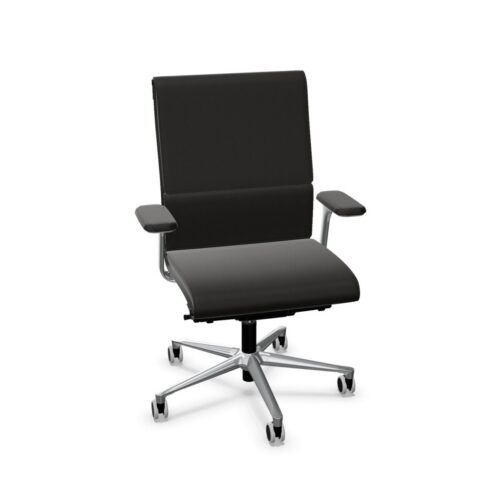
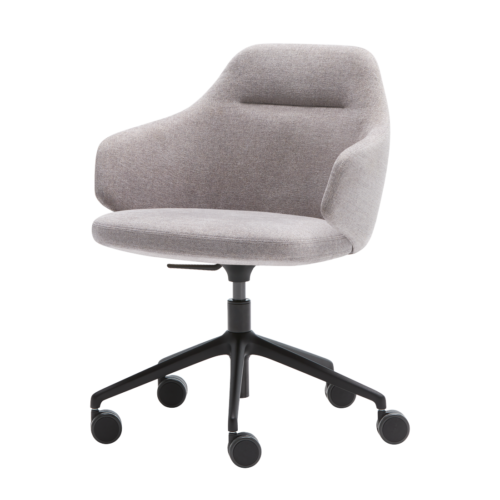
Defined Arm Positions For Office Seating

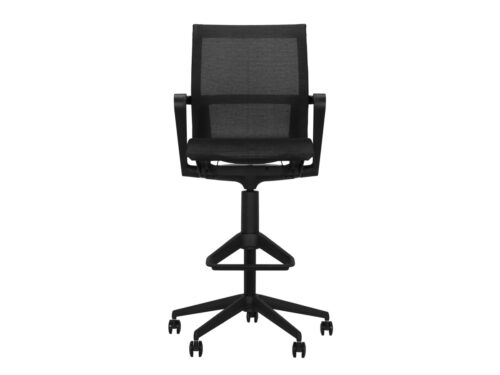
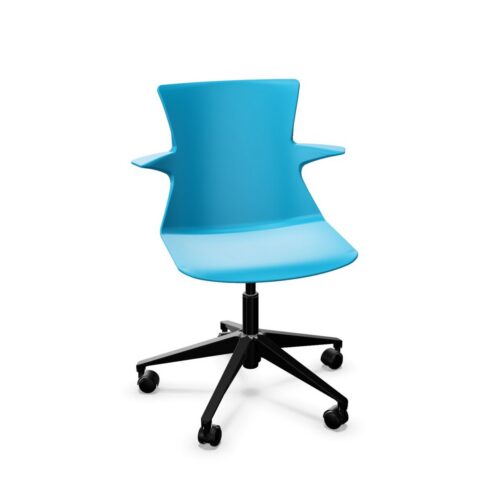
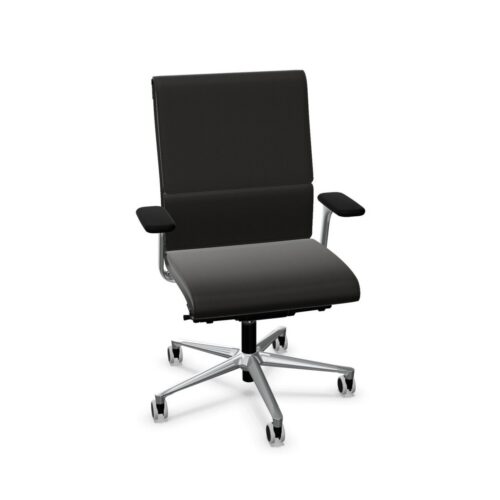
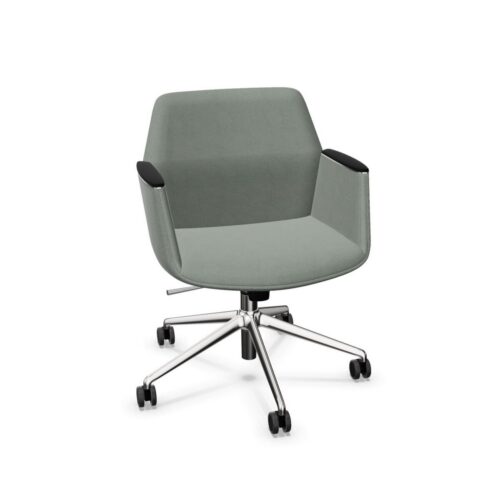
Fixed armrests give an office chair a predetermined arm support position. They cannot normally be adjusted in height, width, depth or angle, so the fit between the supports and the user needs to be assessed directly. The desk or table matters too: the same arm arrangement can interact differently with different work surfaces and seating positions.

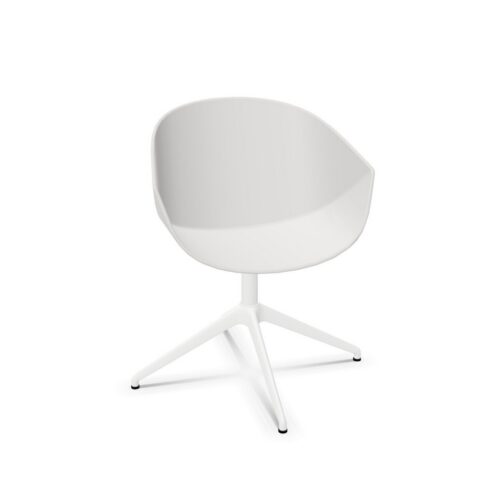
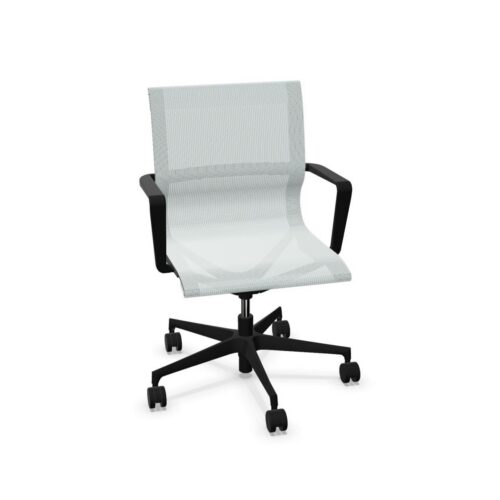
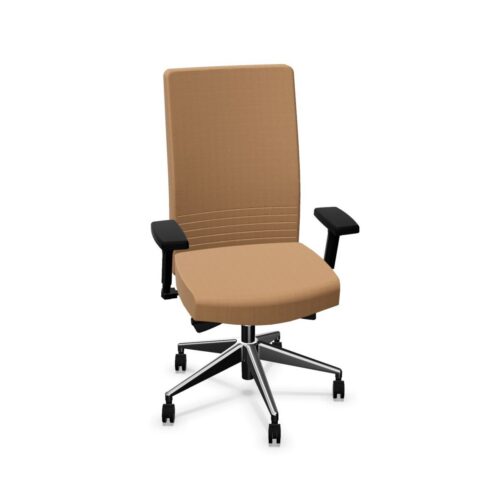
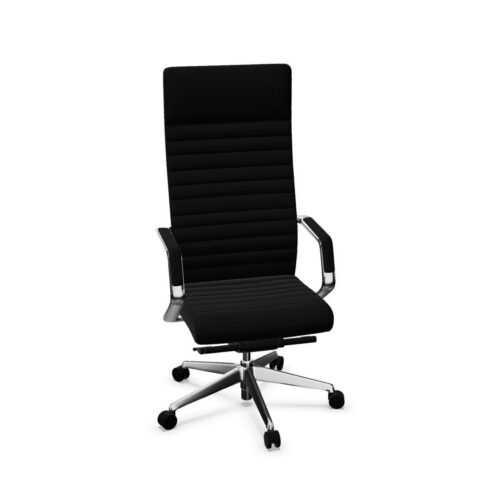
For an office manager, the comparison should begin with the people and furniture in the intended room. This selection includes meeting, visitor, task, executive and other chair types, with different mechanisms and support features. Fixed arms do not mean that the rest of the chair is fixed; seat height, seat depth or back height adjustment may still be present. Establish those details, then evaluate whether the complete configuration provides an appropriate position for the activities planned in that space.

6 models
From €6.87 p/m
3 models
From €8.88 p/m
2 models
From €19.56 p/m
10 models
From €10.37 p/m
3 models
From €7.48 p/m
2 models
From €23.78 p/m
3 models
From €1.78 p/m
€9.00 p/m
2 models
From €20.66 p/m
4 models
From €11.91 p/m
2 models
From €45.80 p/m
3 models
From €22.88 p/m
18 models
From €15.83 p/m
4 models
From €15.64 p/m
2 models
From €14.45 p/m
19 models
From €10.89 p/m
2 models
From €25.56 p/m
2 models
From €17.77 p/m

Measure The Position That Cannot Be Changed

Request the dimensions of the fixed arm supports, including their position relative to the seat. Their predetermined geometry is central to the assessment because users cannot normally alter their height, width, depth or angle. Compare the measurements with a practical trial involving the intended users. Ask each person to sit as they would during the relevant activity and assess where their arms rest. Keep the findings specific: a successful assessment for one person or room should not be treated as evidence that the same arrangement will suit every workplace setting.

Check Furniture Clearance Before Finalising Layouts

Bring the chair and intended work surface together during the assessment wherever possible. Check the relationship between the fixed arms and the desk or table edge, including the position the user needs for the task. Consider entry, exit and the space available around neighbouring furniture. A room layout should reflect the chair's actual dimensions rather than a generic seating symbol. Where chairs will be used at several surfaces, assess each relevant arrangement or identify the dimensional limits that need to be respected when assigning the seating to a location.

Keep Other Adjustments In The Comparison

Fixed armrests describe the arms, rather than the complete chair mechanism. This group includes manual height adjustment, synchronous mechanisms and chairs without integrated mechanisms. Seat height, depth and back height adjustment also vary. Assess the starting seat position before deciding whether the arm supports are suitable, then consider how any movement changes their relationship to the user and desk. Lumbar support and headrests can be present or absent. Their relevance should be assessed independently, with the final comparison showing which parts of the chair are adjustable and which remain predetermined.

Specify The Room Finish And Supporting Requirements

Fabric, mesh, PU leather, wood, plastic and unupholstered surfaces are represented across different configurations. Ask for care instructions and confirm which material covers each part of the chair. Base materials and colours provide additional distinctions for the room scheme. Review any required standard or fire resistance evidence for the proposed configuration, because these details vary independently of the fixed arm arrangement. The stated maximum user load is 135 kg, while warranties can be two or five years. Confirm their application and conditions alongside the practical findings before completing the chair specification for the intended room.

Fixed Armrest Questions

Which armrest adjustments are normally unavailable?

Fixed armrests normally remain in a predetermined position without height, width, depth or angle adjustment. Their dimensions therefore need direct comparison with the intended users and the furniture where the chair will be placed.

Can the chair still have adjustable seat height?

Yes. The fixed arm arrangement does not establish whether the seat is height adjustable. Check the complete configuration, since seat height and other adjustments vary among chairs in this selection and affect the overall seating position.

How should fixed arms be assessed for shared rooms?

Include users with different body dimensions and try the intended tables or desks. Compare arm support position, working posture and clearance, then record where the arrangement meets the room's needs and where further evaluation is required.

Explore related selections