

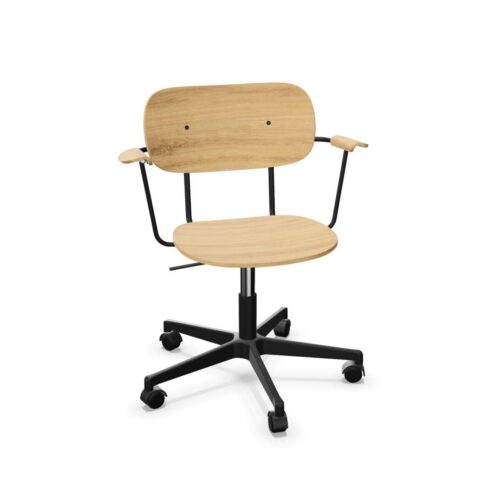
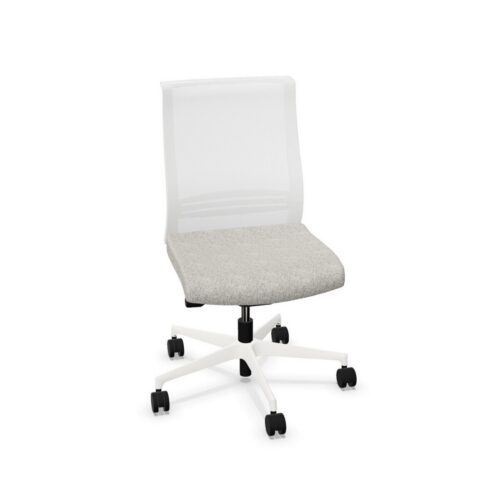
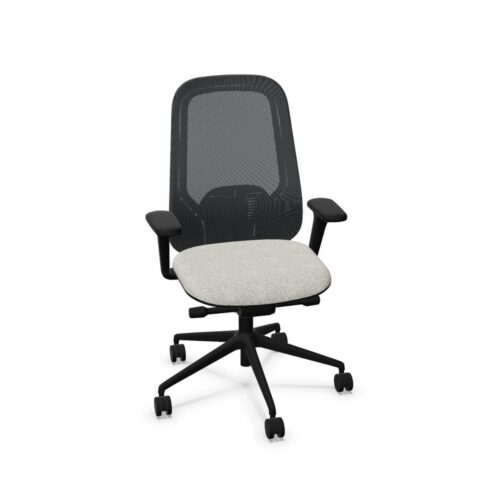
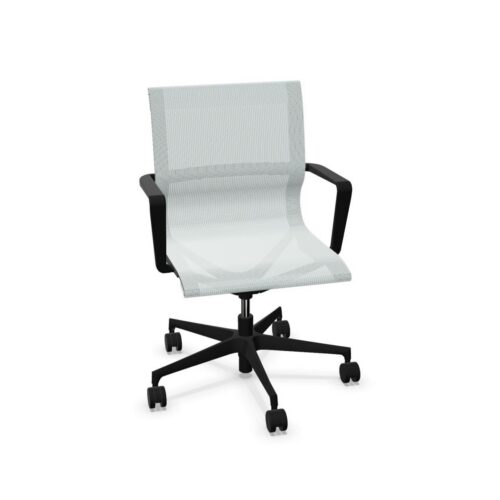
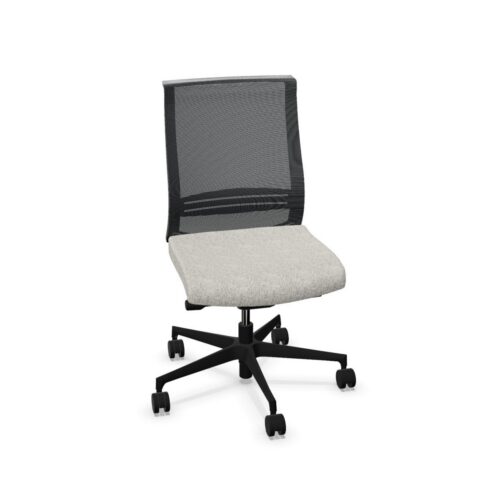
Armless Office Chairs With Fixed-Height Backrests

Armless office chairs with fixed-height backrests ask the office manager to examine two clear conditions: arm support must be considered without chair armrests, and backrest contact cannot be repositioned through a height adjustment. A useful comparison therefore starts with the person at their usual desk. Observe where the backrest meets the back, how the forearms relate to the working surface and whether the user can maintain a workable position during familiar tasks. These details reveal more than an assessment based only on the chair’s outline.

There are no armrests to reposition or check against the desk edge, but this does not establish the chair’s overall clearance or suitability. Fixed backrest height also says nothing about other possible movements or adjustments. Compare office chairs by confirming those characteristics separately and keeping the two known features central to the trial. For shared spaces, involve colleagues with different sitting proportions so the assessment reflects the people who will actually use the seating throughout a normal working day.

6 models
From €6.87 p/m
2 models
From €10.32 p/m
3 models
From €10.49 p/m
2 models
From €6.87 p/m
4 models
From €7.26 p/m
3 models
From €8.88 p/m
3 models
From €10.17 p/m
2 models
From €6.13 p/m
2 models
From €9.18 p/m
2 models
From €13.64 p/m
2 models
From €15.27 p/m
10 models
From €10.37 p/m
9 models
From €10.37 p/m

Read The Desk And Chair As One Arrangement

Begin with the working surface, equipment positions and the user's normal approach to the desk. Armless office chairs with fixed-height backrests have no chair arms to assess, so establish where forearm support comes from during typing, reading and pauses. Ask the person to move through those activities without rearranging everything for the demonstration. Note whether reaching changes their contact with the backrest. The objective is to understand how the complete workstation supports the task, rather than treating the chair as an isolated object whose suitability can be judged away from the working environment.

Check Back Contact Before Wider Allocation

Because backrest height cannot be changed, its existing vertical position needs direct assessment with each intended user. Ask where contact occurs and whether that contact remains useful when the person settles into an ordinary working position. If a mismatch appears, record it clearly. Do not assume another adjustment is available or that changing an unrelated setting will resolve it. Office chairs used across a team need a broader trial than a single person's initial impression, particularly where several colleagues will rotate through the same desks and cannot alter backrest height between their individual sessions.

Separate Open Sides From Overall Space Needs

With armless office chairs with fixed-height backrests, open sides are one part of the room assessment. Check the space occupied by the entire chair, along with the route used to approach and leave the desk. Include nearby storage, adjacent seating and the actual position of work materials. A chair without arms may still be unsuitable for a particular arrangement for reasons unrelated to armrests. Keeping clearance observations separate from back contact observations gives the office manager a clearer explanation of what works, what does not and which aspect of the workstation needs further attention.

Use Consistent Tasks For Comparisons

Choose a short set of activities that represents the role: typing, checking documents, reaching for an item and speaking with a colleague. Repeat the sequence with each chair and ask users to explain any change in position. Confirm seat dimensions and any other available controls separately, without inferring them from the absence of arms. When comparing office chairs, retain specific observations rather than only a preference ranking. Notes about back contact, forearm placement and desk access are easier to interpret later when seating is reassigned or the surrounding furniture arrangement changes within the office.

Questions About Armless Fixed Back Height Seating

Can the backrest be raised for a taller user?

No backrest height adjustment is available in this combination. Assess its existing contact position with that person. Armless office chairs with fixed-height backrests should be matched through a seated trial, rather than assuming a taller user can change the backrest position.

Does no armrest mean no support for the forearms?

It means the chair provides no armrests. The task and desk arrangement determine what other contact is available. Observe where the forearms rest during ordinary work and assess that position alongside the user's reach and contact with the chair's backrest.

Are all other chair settings fixed as well?

That is not established by these two features. Seat height, backrest movement and other characteristics require separate confirmation. Keep those checks distinct so the comparison accurately reflects the chair being assessed and does not assume controls that have not been examined.

Explore related selections