

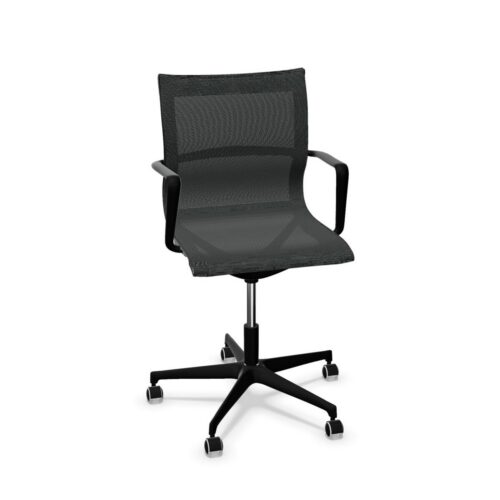
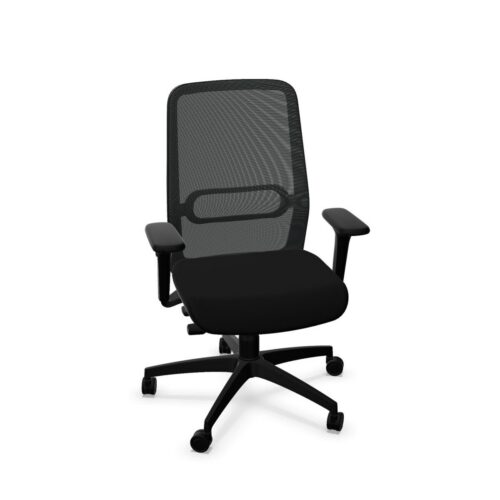
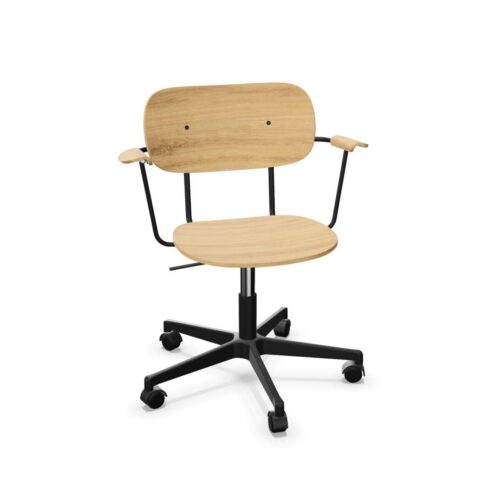
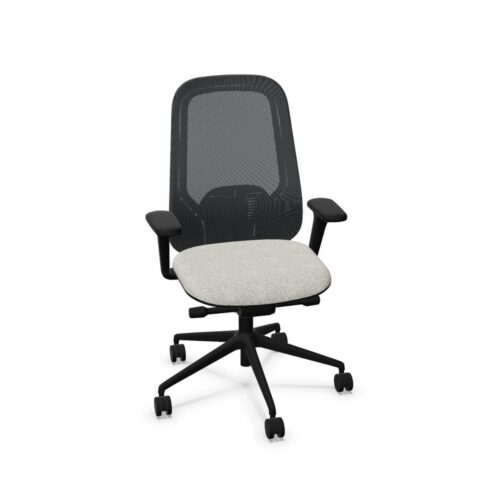
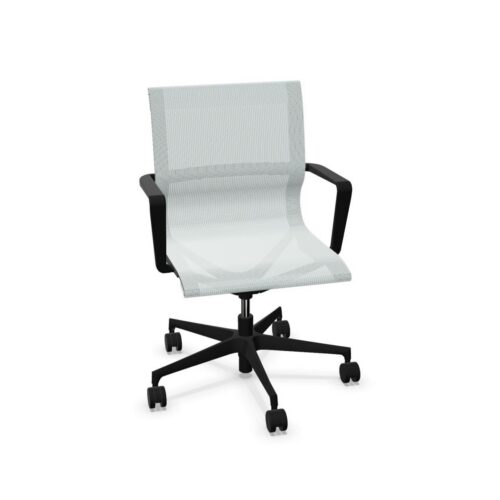
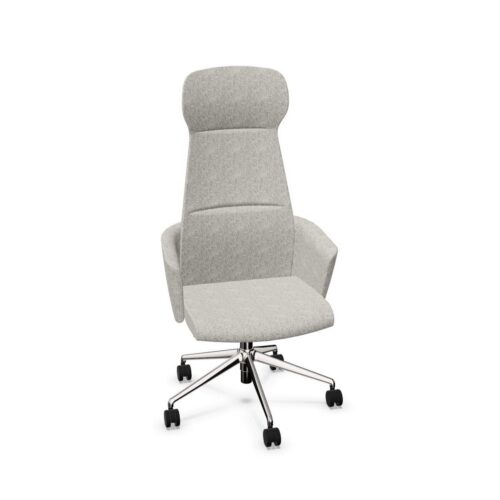
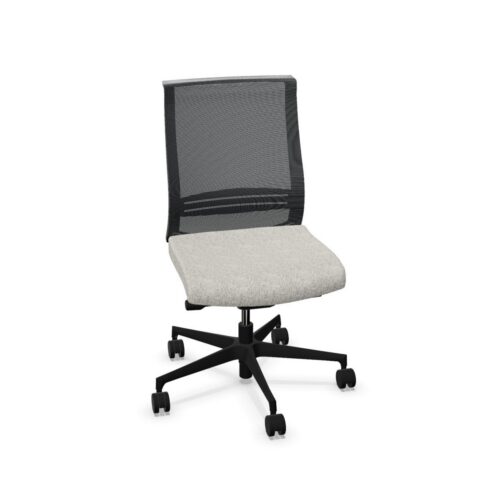
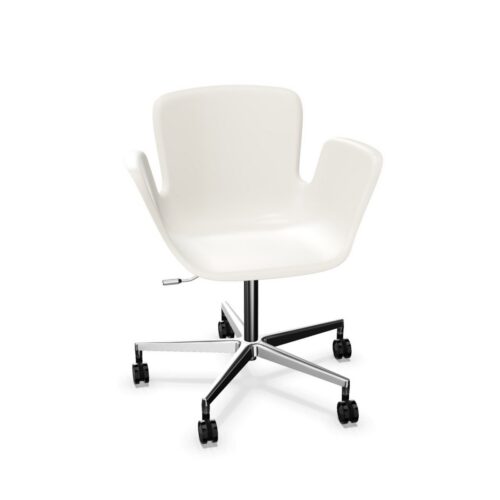
Office Chairs With Armrests And Fixed-Height Backrests

Office chairs with armrests and fixed-height backrests bring together arm support and a backrest whose vertical position cannot be changed. For an office manager, that combination makes the relationship between the user, desk and backrest particularly important. Armrests need to sit sensibly beside the working surface, while the backrest needs to meet the person at a useful height from the outset. Assess both features during the same seated trial, with the user’s usual keyboard and mouse positions reproduced.

Start by separating backrest height from other chair settings. A fixed backrest height does not establish the backrest angle, seat height or movement mechanism, and the presence of armrests does not establish how those armrests adjust. Compare office chairs by checking the actual controls and by asking users to perform ordinary desk tasks. This keeps the assessment focused on everyday reach and support, rather than assuming that one visible feature answers every question about seating fit. Include both shorter and taller colleagues in shared workspace assessments.

6 models
From €6.87 p/m
4 models
From €7.26 p/m
3 models
From €8.88 p/m
3 models
From €10.17 p/m
2 models
From €6.13 p/m
2 models
From €9.18 p/m
2 models
From €13.64 p/m
2 models
From €15.27 p/m
10 models
From €10.37 p/m
10 models
From €25.85 p/m
9 models
From €10.37 p/m
2 models
From €41.00 p/m
3 models
From €1.78 p/m

Start With Backrest Contact Height

Assess office chairs with armrests and fixed-height backrests by first observing where the backrest meets each person's back. Because that vertical position cannot be reset, a mismatch cannot be addressed through a back height control. Ask the user to sit in their normal working position, then note where contact occurs and whether it remains useful during ordinary tasks. Do not treat a taller backrest as automatically more suitable. Its relationship to the individual matters more than its visual size, particularly when several colleagues will use the same chair during a normal working week.

Check Armrests Against The Desk

Armrests introduce another point of contact that needs to work with the workstation. Check whether the user can approach the desk without the arms meeting its edge prematurely. Observe the shoulders and elbows while the person types, pauses and reaches for the mouse. Establish which armrest settings, if any, are available before deciding how a clearance issue could be resolved. Office chairs should be compared at the same desk wherever possible, because changing the working surface between trials makes it harder to identify whether the chair or workstation explains a difference in fit.

Consider Shared Seating Responsibilities

For shared workspaces, office chairs with armrests and fixed-height backrests need assessment across the actual group of users. An acceptable fit for one colleague does not establish an acceptable fit for everyone else. Record who tried each chair and where backrest contact or armrest clearance presented a problem. Where other adjustments are available, repeat the assessment after those controls have been set appropriately. Keep any unresolved back height mismatch visible in the comparison, rather than assuming another setting will compensate for it. This creates a practical record for allocating seating within the team.

Compare Features Without Assuming Connections

Keep a separate checklist for seat dimensions, available adjustments and the space needed around each workstation. These details still matter even though the current decision centres on armrests and backrest height. Confirm them individually rather than inferring them from the chair's appearance. During a trial, include reaching for documents, moving away from the desk and returning to a normal working position. A useful comparison explains how the office chairs function in the room, as well as how they support a person who remains seated in one carefully arranged position for a brief initial check.

Questions About Armrests And Fixed Back Height

Does a fixed back height mean no backrest movement?

No. Backrest height describes its vertical positioning. It does not establish whether the backrest can tilt or move in another way. Check the available controls separately, then assess any movement while maintaining the user's ordinary working position at the desk.

Are the armrests necessarily fixed on these chairs?

No. Armrests are present, but their adjustment capabilities are not established here. Inspect how each pair operates and check its relationship to the desk. Do not assume an armrest can be lowered, widened or moved out of the way.

Who should trial this combination before allocation?

Include the intended users, especially where seating will be shared. Office chairs with armrests and fixed-height backrests need suitable back contact without vertical repositioning, so representative users should test both that contact and access to their normal working surface.

Explore related selections