

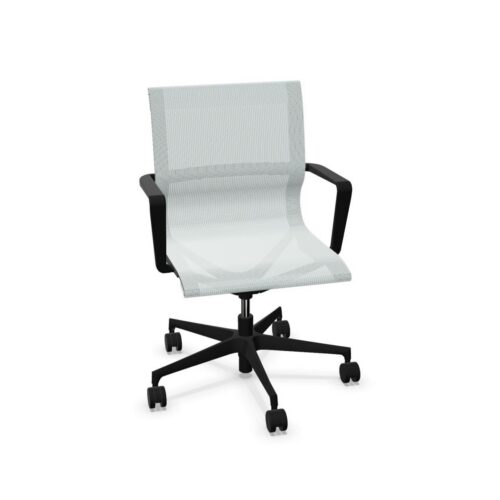
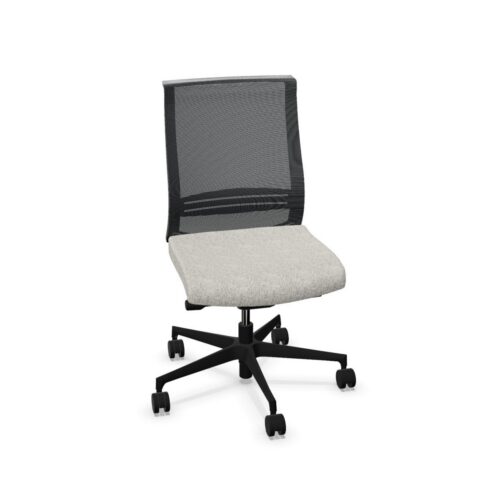
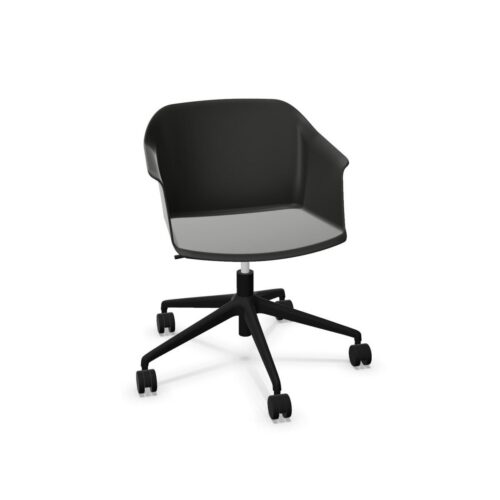
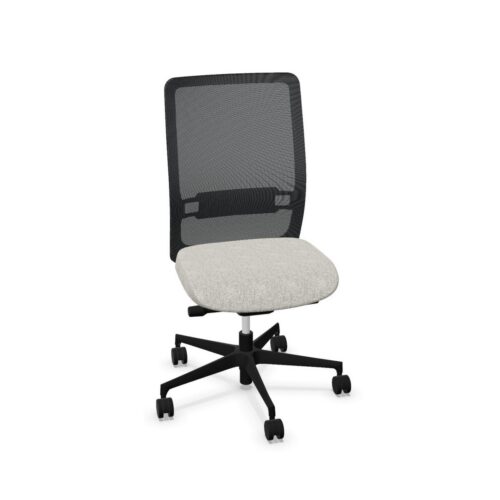
Armless Office Chairs With Plastic Bases

Armless office chairs with plastic bases call for a comparison that separates visible simplicity from confirmed construction details. No armrests means there are no chair arms to position against the user’s forearms or negotiate around a table edge. Plastic identifies the base material, but it does not describe the seat surface, the specific plastic formulation or the complete chair’s operating limits. Those distinctions matter when an office manager sets requirements for seating that must fit people, furniture and everyday maintenance routines.

Begin with the conditions the room creates. Floor type, desk spacing, cleaning access and the way people use a seat all influence the assessment. Compare office chairs with the same practical questions, then document the differences that affect room management. A plastic base should not be treated as proof of a particular weight or care method. Likewise, an armless outline does not establish seat comfort, adjustability or the overall footprint.

2 models
From €10.32 p/m
3 models
From €10.49 p/m
3 models
From €10.17 p/m
2 models
From €6.13 p/m
2 models
From €9.18 p/m
€11.48 p/m
10 models
From €10.37 p/m
9 models
From €10.37 p/m
24 models
From €4.49 p/m
13 models
From €1.93 p/m
28 models
From €2.34 p/m
4 models
From €4.10 p/m
8 models
From €10.39 p/m
11 models
From €3.40 p/m
3 models
From €3.98 p/m
4 models
From €7.32 p/m
4 models
From €8.24 p/m

Start With A Realistic Care Routine

Identify who cleans the seating, which surfaces they need to reach and what instructions apply to each component. The base, seat and back may require different methods. Confirm suitable cleaning products and techniques for the exact construction rather than extending an assumption about plastic to the whole chair during maintenance.

Armless office chairs with plastic bases still need inspection points that staff can recognise. Establish how damage, loose components or changes in normal operation should be reported. Keep care instructions accessible to the people doing the work, and distinguish routine cleaning from repairs that require specific guidance or further assessment.

Judge The Base As A Complete Assembly

A material description does not establish base shape, dimensions or the components touching the floor. Check these details against the available space beneath desks and tables. If the room has more than one floor surface, assess the complete chair on each relevant surface before deciding how it should be allocated.

Compare office chairs using confirmed limits and observed behaviour, rather than presumed durability or weight. Ask about the construction details that matter to your setting. Where the base finish is visible in the room, review its actual appearance separately from the practical assessment of dimensions, floor contact and maintenance requirements.

Give Seat Fit Its Own Assessment

Removing armrests does not answer questions about seat depth, seat width or back support. Ask representative users to perform the tasks intended for the room. Observe their approach to the working surface and where they place their arms, particularly if the seating will be used away from a table too.

For armless office chairs with plastic bases, record the relationship between the user and the complete seat rather than concentrating only on the missing arms. Check any adjustment features that are confirmed. If a person reports discomfort, identify the specific issue before attributing it to the base material or design.

Connect Maintenance Findings To Room Allocation

Use the assessment to identify suitable locations and any conditions that need attention. A tight desk opening, difficult cleaning access or an unsuitable floor contact arrangement may require a layout change. Keep those findings attached to the location so that moving furniture does not erase the reason behind the decision.

Armless office chairs with plastic bases should have a clear record covering care, fit and floor compatibility. This gives office managers a useful reference when rooms change purpose. Review the record when a new activity is introduced, especially if users will sit differently or spend longer in the seating there.

Frequently Asked Questions On Plastic Base Seating

Does a plastic base mean a plastic seat?

No. The base material does not establish the material or upholstery of the seat and backrest. Confirm each component separately if its surface affects cleaning or interior requirements. A useful comparison describes the complete chair without extending one material fact to parts whose construction has not been established.

Are plastic bases compatible with every floor surface?

The base material alone cannot establish floor compatibility. Identify the components touching the floor and confirm their intended use. Assess the actual chair on the relevant surface, including any movement required in the room, and obtain guidance before assuming that one arrangement will suit different flooring types.

What should be included in routine seating checks?

Follow the confirmed maintenance instructions and establish a reporting route for visible damage or altered operation. Include the complete chair, not only its base. Record the location and nature of any issue so that the responsible person can arrange an appropriate assessment and keep the seating information current.

Explore related selections