

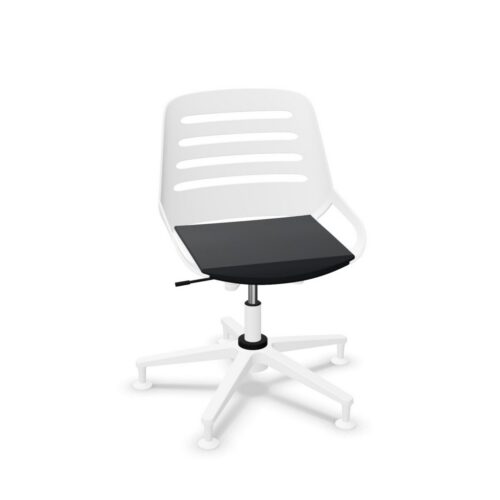
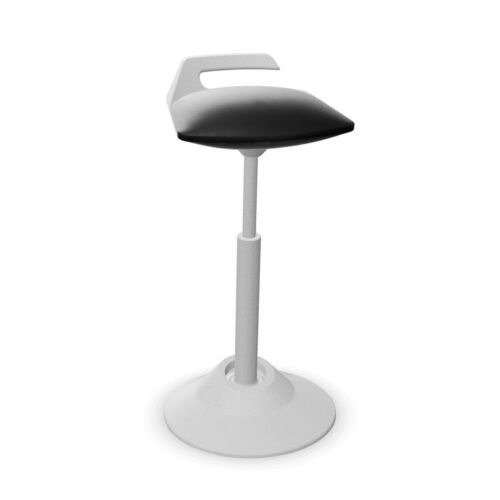
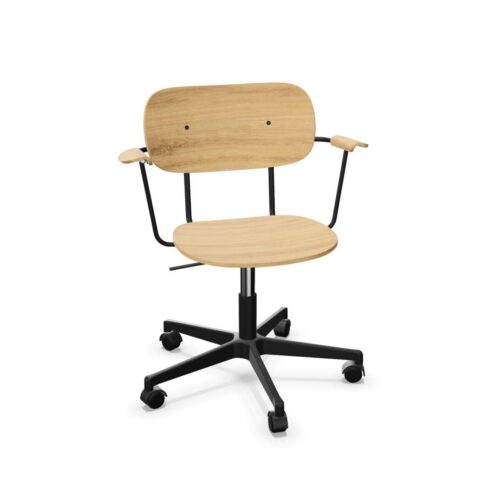
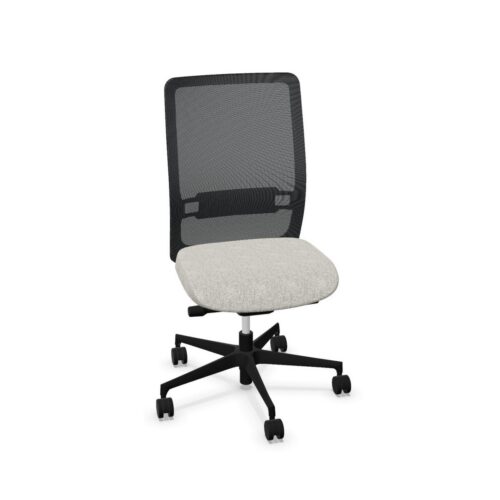

Armless Office Chairs With Metal Bases

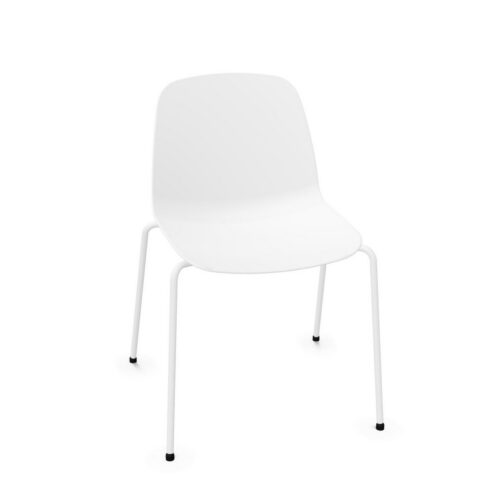
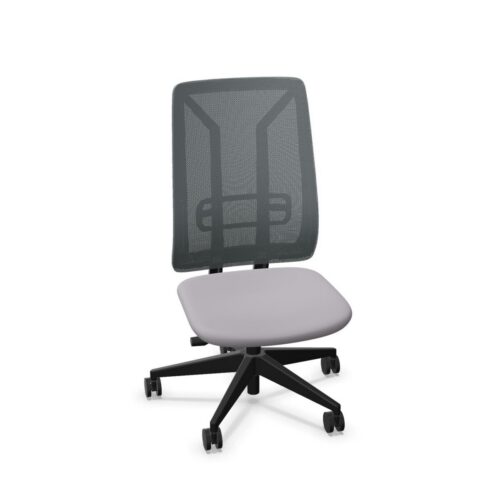
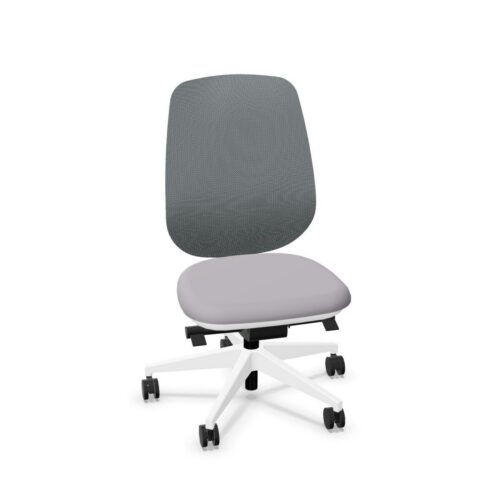
Armless office chairs with metal bases put the relationship between movement and seating at the centre of room planning. With no armrests, there is no chair arm to assess against a user’s forearm or the edge of a table. The seat, backrest and base still determine how the chair occupies space and supports a seated position. Metal identifies the broad base material, but further details are needed before drawing conclusions about construction, weight, finish or the way the chair moves.

Think through the route from entering the room to reaching a workstation, joining a discussion and leaving the seat. Office chairs may encounter different restrictions at each stage. Removing armrests from that assessment does not remove the need to check seat width, table clearance or the base footprint. Map the intended activities first, then assess the seating where those activities take place, including positions close to walls, storage or adjacent furniture.

6 models
From €6.87 p/m
3 models
From €10.49 p/m
2 models
From €6.87 p/m
4 models
From €7.26 p/m
3 models
From €8.88 p/m
5 models
From €13.67 p/m
3 models
From €9.20 p/m
19 models
From €2.38 p/m
7 models
From €7.54 p/m
2 models
From €17.75 p/m
2 models
From €13.64 p/m
2 models
From €26.32 p/m
2 models
From €41.00 p/m
€17.22 p/m
5 models
From €3.59 p/m
2 models
From €7.97 p/m
2 models
From €3.69 p/m
13 models
From €1.93 p/m

Follow The User's Route Through The Room

Walk through the room with its normal furniture arrangement in place. Identify narrow approaches, changes of direction and seating positions beside obstacles. Then observe how someone reaches the seat and moves away again. The absence of armrests is one part of this interaction; the complete chair still occupies floor space.

Assess armless office chairs with metal bases at each distinct location rather than relying on a single central position. A chair beside a cabinet may present a different access question from one at an open table end. Record those differences so that the room plan reflects actual use by people.

Clarify What The Metal Base Description Covers

Metal is a broad description and does not identify a specific alloy, finish or construction method. Ask for the details that affect your comparison. Base dimensions, floor contact components and stated use limits are more useful for planning than assumptions based on the material category alone during an initial review.

When comparing office chairs, distinguish the base from the rest of the structure. A metal base does not establish the material of the seat or backrest. It also does not confirm whether the chair has castors, glides or another arrangement, so check the complete assembly against the intended floor surface.

Examine Support Without Chair Arms

Without armrests, consider where users place their forearms during the room's main activities. A table may form part of that working arrangement, but its height and position still need assessment. Ask users to demonstrate typical tasks and observe whether they adopt positions that suit their individual needs throughout the session.

Armless office chairs with metal bases should be evaluated for seat and back fit independently of access. An open approach to the seat does not establish comfort or support. Check the relevant dimensions and any confirmed adjustments, then connect those observations to the duration and character of the intended activities.

Plan Moves Around Confirmed Chair Features

If the room changes between individual work and group sessions, establish how the seating will be moved. Do not assume it stacks, nests or rolls because it lacks arms. Confirm the relevant features and consider the space needed while chairs are being repositioned, as well as their final arrangement afterwards.

Keep a simple location record for armless office chairs with metal bases, including floor requirements and any handling instructions. This helps the people resetting the room preserve workable access routes. It also provides a reference when a different table layout changes the available space around the seating during later activities.

Practical Questions About Armless Metal Base Seating

Does metal identify the exact base material?

No. It describes a broad material group rather than a specific metal or alloy. Confirm the exact construction and finish if those details affect maintenance or room requirements. The description also does not establish the complete chair's weight, tested capacity or floor contact arrangement for use.

Do chairs without arms always need less space?

They have no armrests, but the overall space requirement still depends on seat width, back shape and base dimensions. Measure the complete chair and observe people using it. Include approach routes and the space needed to move away from a table, rather than assessing furniture dimensions alone.

Can armless seating suit different office activities?

Assess each intended activity through a representative trial. Desk work, discussion and short training sessions can involve different postures and furniture relationships. Confirm seat fit, back support and the available working surface for each use, then record any limitations that affect where the seating should be placed.

Explore related selections