







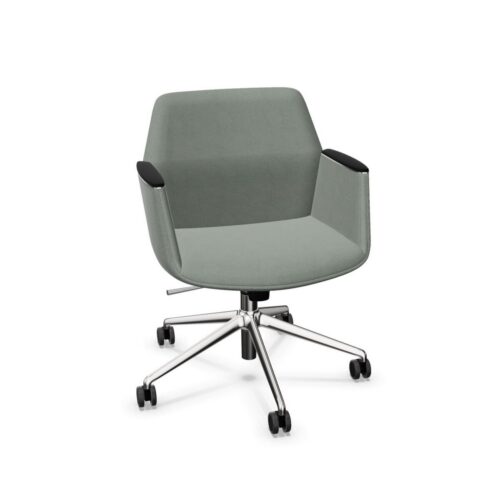
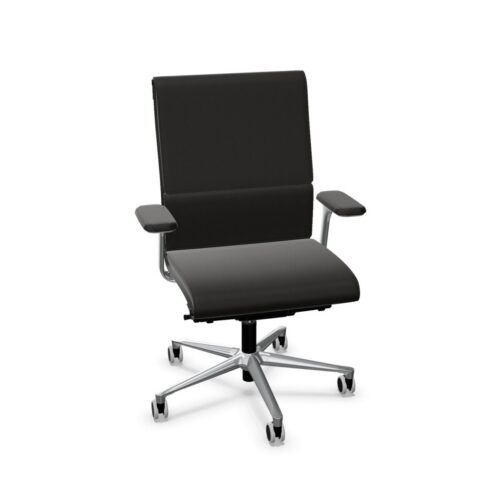


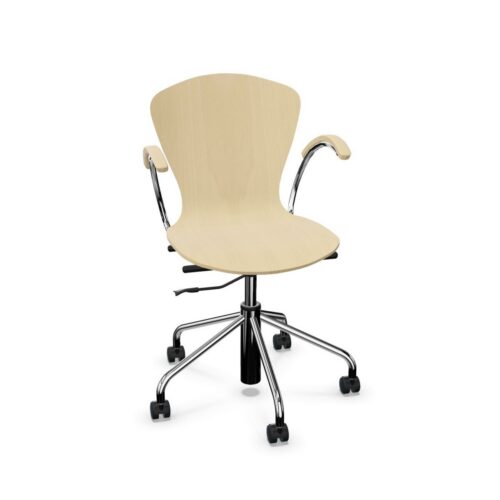

Measure The Fixed Armrest Relationship
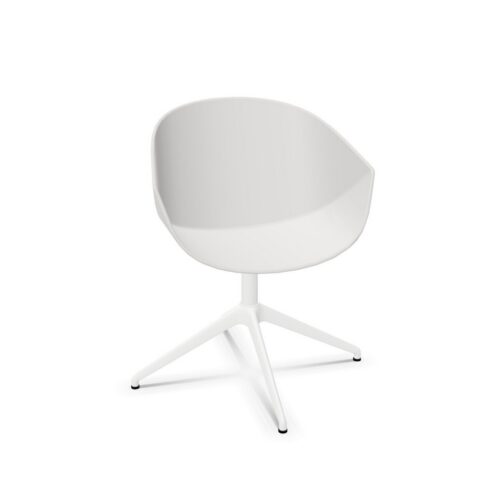
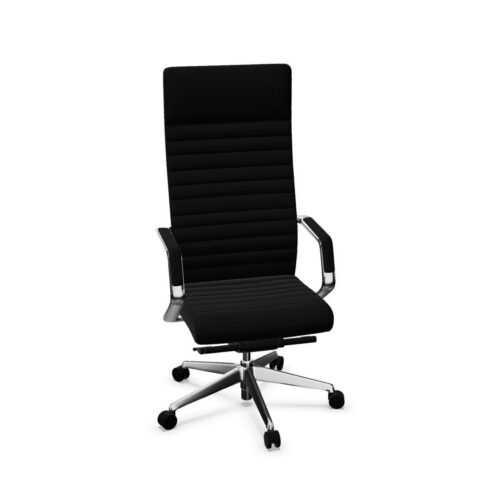
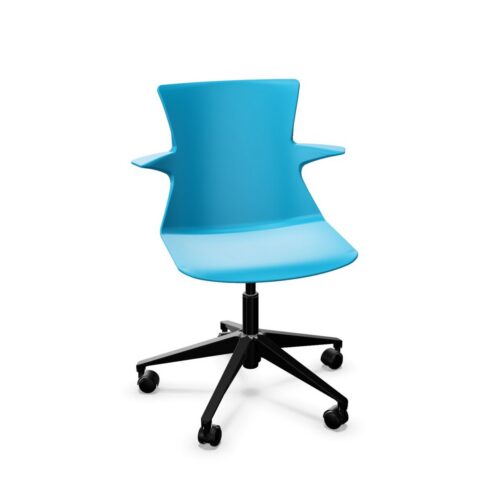
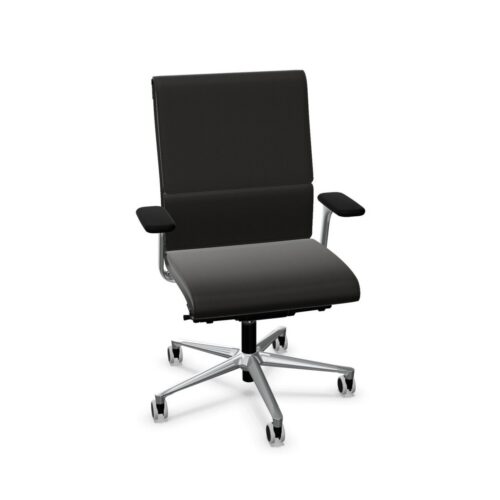
Compare office chairs with fixed armrests and metal bases using the dimensions of the actual workstations. Record armrest height, spacing and the room available beneath the desk. Assess those measurements at the seated position each user requires. Fixed arms make this relationship a matter of fit rather than an armrest adjustment to be made later. Check whether users can approach the work surface appropriately while keeping equipment within reach. Include desk supports and cable trays in the inspection, since an unobstructed front edge does not describe all the space beneath the worktop during daily use.
Listen For Differences In Task Experience
A seating trial should cover more than one posture or activity. Ask participants to work with their normal keyboard, review documents and turn towards nearby colleagues or equipment. Note where the fixed arms provide contact and where they interfere with movement. Office chairs can be experienced differently by people using the same desk, so record observations individually. Ask users to explain a problem through the task that brings it about. This gives the office manager a concrete issue to assess, such as restricted reach or furniture contact, rather than an unexplained positive or negative rating.
Clarify The Metal Base Specification
The metal base of office chairs with fixed armrests and metal bases needs a more detailed description before maintenance and performance comparisons can be completed. Confirm the specific material, surface treatment and construction. Ask for cleaning instructions and any recommended inspection procedure. Establish the floor contact arrangement separately, as metal does not identify how the base meets the floor or whether the chair has a movement mechanism. Request documented load information for the complete chair where required by the seating brief. These details allow the facilities assessment to proceed on evidence specific to the chair.
