

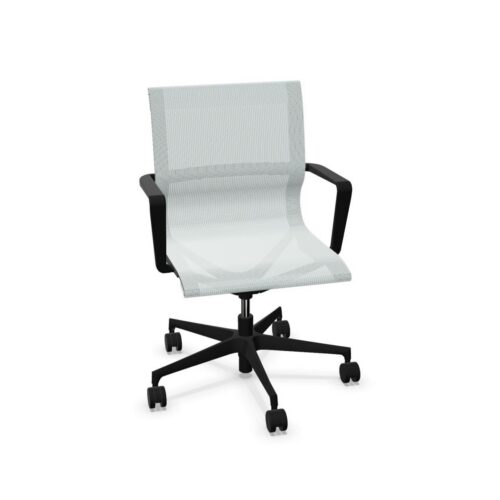
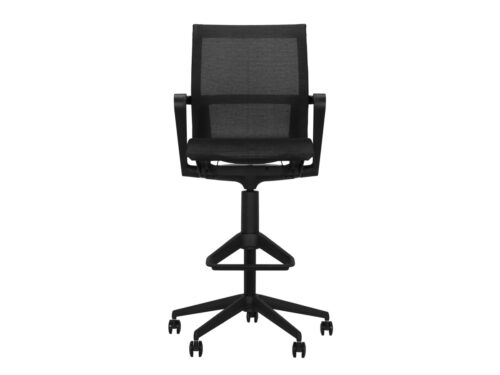
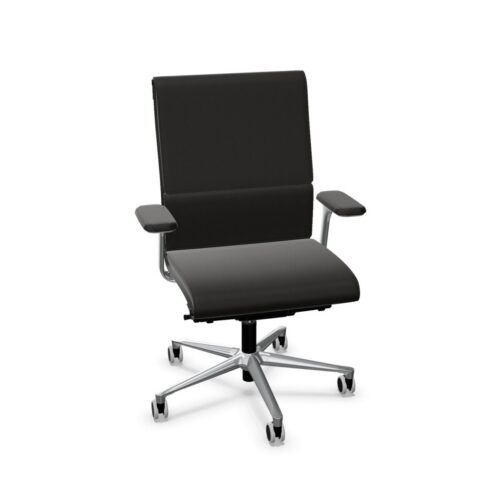
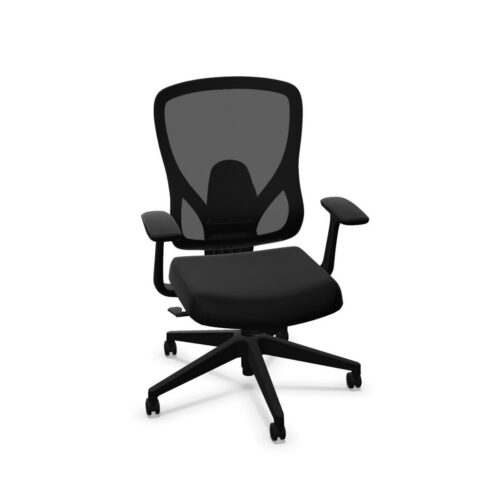
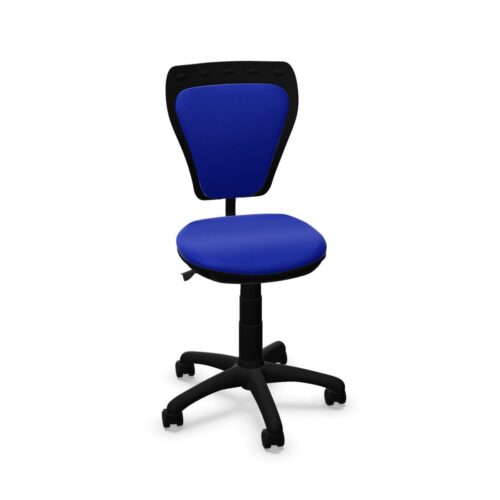
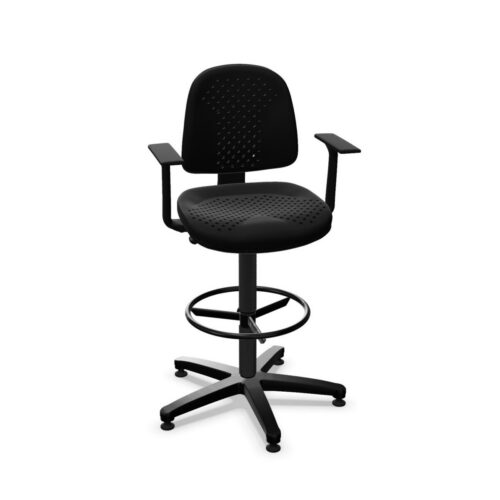
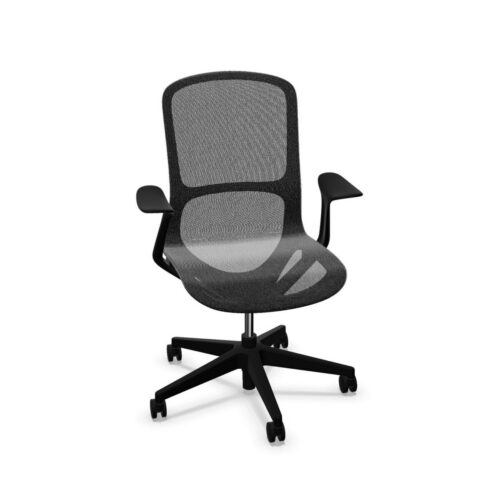
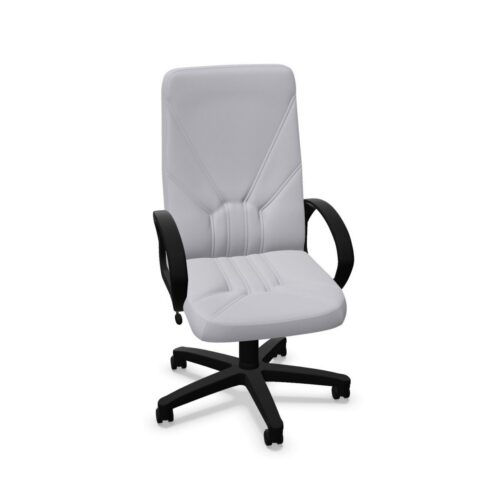
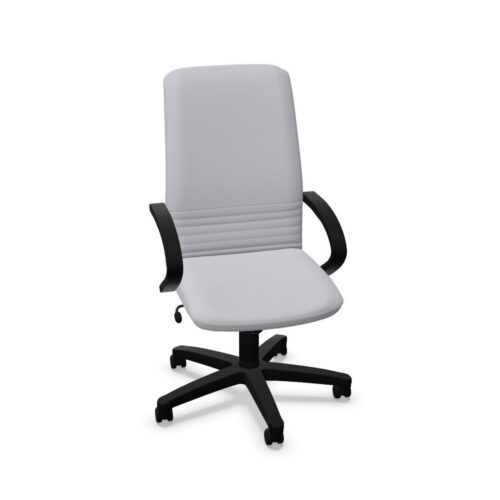
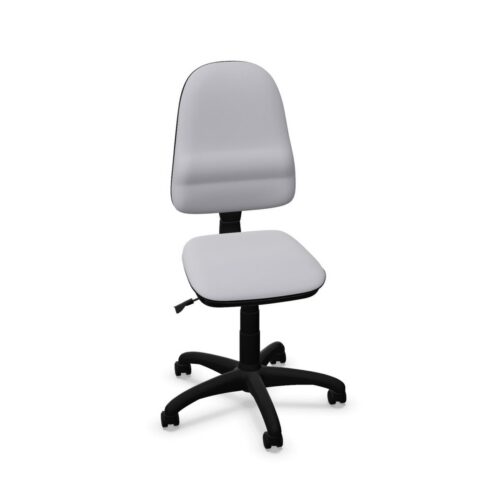
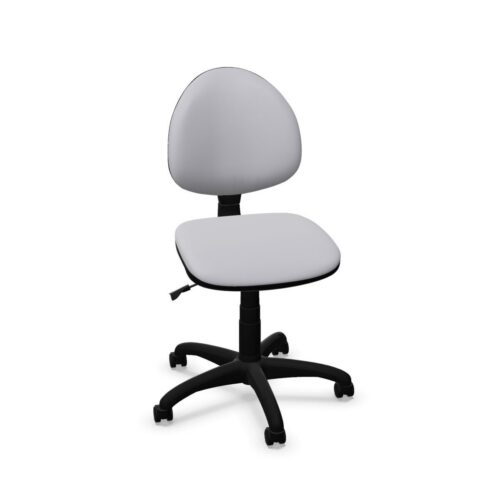
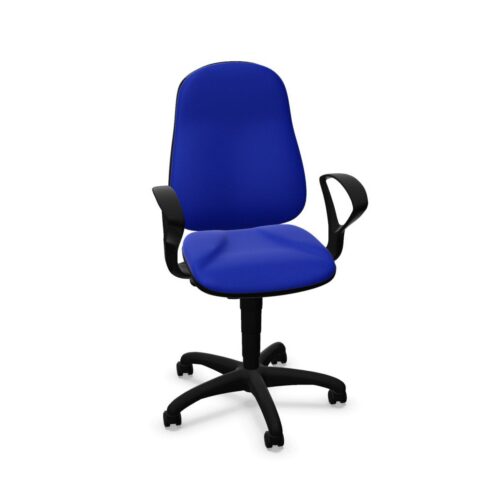
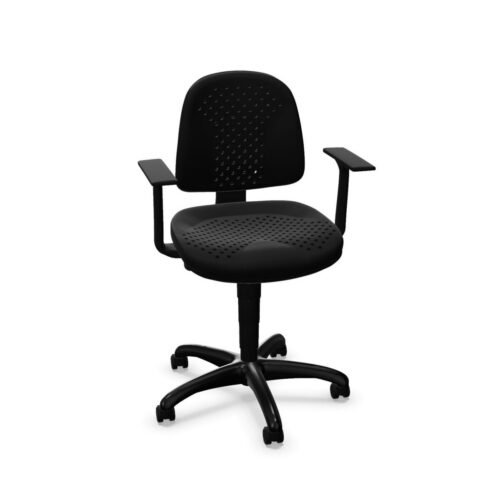
Office Chairs With Fixed Armrests And Plastic Bases

Office chairs with fixed armrests and plastic bases need a brief that gives everyday fit and material care equal attention. The arms occupy a fixed position, making their relationship with the user and worktop particularly important to check. Plastic identifies the base material without specifying its composition, construction or performance. Before assigning the seating, an office manager should establish the relevant dimensions and obtain the care information needed by the people maintaining the room.

A practical comparison can begin with two observations: how an employee works in the chair and how the facilities team reaches the surrounding area. Office chairs form part of both routines. Trial the fixed arms during ordinary desk tasks, then inspect the base and available cleaning access in the same position. Keep confirmed facts separate from unanswered questions about load limits, floor contact and surface treatment. This produces a useful assessment that connects individual requirements with the practical running of the workplace over time.

10 models
From €10.37 p/m
€9.00 p/m
18 models
From €15.83 p/m
4 models
From €1.97 p/m
6 models
From €2.89 p/m
4 models
From €13.65 p/m
4 models
From €5.86 p/m
4 models
From €4.02 p/m
2 models
From €5.45 p/m
2 models
From €4.61 p/m
3 models
From €5.56 p/m
3 models
From €4.41 p/m
3 models
From €2.11 p/m
3 models
From €11.19 p/m
9 models
From €2.40 p/m
6 models
From €7.38 p/m
2 models
From €6.89 p/m

Begin With A Clear Maintenance Brief

Assess office chairs with fixed armrests and plastic bases alongside the cleaning procedures already used in the workplace. Request instructions for the actual base material and finish, including any restrictions on cleaning products or methods. Plastic is a broad description, so general assumptions about care are insufficient. Ask how routine inspections should be performed and how any visible damage should be reported. Share the confirmed guidance with facilities staff before setting the routine. This establishes a practical basis for maintenance while leaving performance judgements to the documentation supplied for the complete chair and its intended use.

Check Fixed Arms During Concentrated Work

At the workstation, ask users to demonstrate the activities that occupy most of their seated time. Observe where the fixed armrests meet the forearms and whether the user can approach equipment appropriately. Measure the opening beneath the worktop, accounting for drawers and supporting frames. Office chairs should also be checked during transitions between tasks, because reaching towards documents may expose a different clearance issue from typing. Record observations as specific interactions between person, chair and furniture. This helps an office manager judge the arrangement without reducing individual experience to a general impression of the seat.

Inspect The Base Within Its Surroundings

Compare office chairs with fixed armrests and plastic bases using the floor and layout where they will be used. Establish the base footprint and the way it contacts the surface. Confirm any movement features directly rather than inferring them from the material. Review the connections and obtain documented load information where the seating brief requires it. Plastic alone does not establish a capacity, expected service period or particular resistance to workplace conditions. Put those questions to the relevant documentation, then inspect access around the base, nearby desk legs and adjacent storage in the proposed arrangement.

Combine User And Facilities Findings

Bring the seating trial and maintenance review into one decision record. Include fixed armrest dimensions, desk clearance and the user's observations during each activity. Add the confirmed base details and cleaning guidance so operational requirements remain visible alongside fit. For office chairs in shared areas, assess more than one user and identify any differences that affect allocation. Record which desks were checked, since the same chair may interact differently with another worktop. A clear record allows later changes to be reviewed against known conditions and gives facilities staff useful context when a seating concern is reported.

FAQ: Plastic Bases With Fixed Armrests

Does plastic establish an easy cleaning routine?

The material description alone does not establish a care method. Confirm the specific finish and follow the instructions supplied for the base. Check compatibility with the cleaning products used in the workplace, and give facilities staff the confirmed guidance rather than relying on general assumptions.

Why trial fixed arms at the desk?

Their position needs to work with the user, worktop and equipment as assessed. A trial reveals forearm contact, approach distance and any obstruction during ordinary tasks. Include entry and exit movements as well as seated work to understand the complete relationship with nearby furniture.

Which findings should drive the comparison?

Compare office chairs with fixed armrests and plastic bases through measured clearance, individual task experience and confirmed construction information. Include maintenance access and documented care requirements, so the seating decision reflects both the employee's workstation and the facilities team's practical responsibilities within the room.

Explore related selections