










Start With The Finishes Already In Place
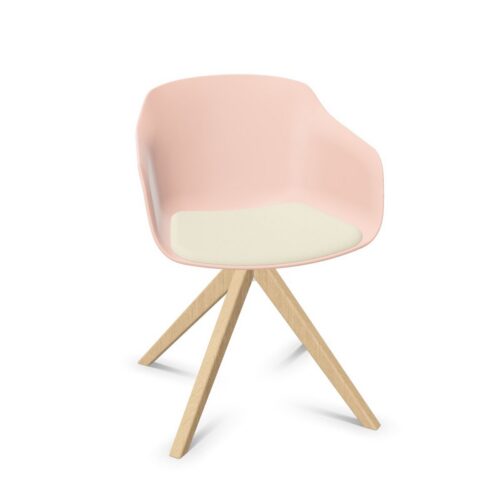
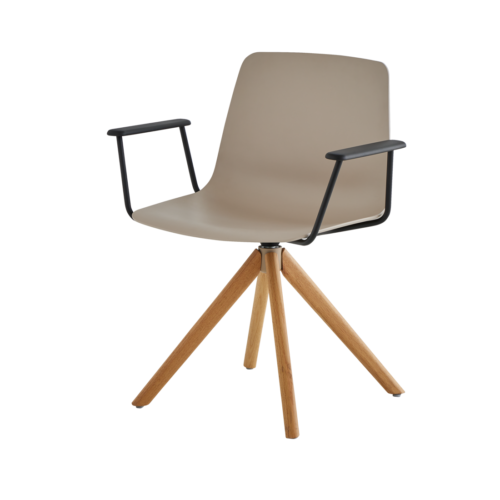
List the room elements that are unlikely to change, such as the floor, fitted storage and desk surfaces. Compare the wood-toned base with these elements in the actual room where possible. A finish viewed alone provides less useful information than a chair positioned beside the furniture and materials it will accompany during daily use.
Decide which relationships matter most. You might want the base to connect visually with desk legs, echo a storage finish or sit quietly within a varied palette. An exact colour match is only one possible objective. Define the intended relationship before assessing candidates so that small differences can be judged against a clear purpose rather than personal recollection.
Separate A Wood Colour From A Material Claim
The appearance of wood should not become an assumption about composition. Establish what the base is actually made from and how its visible surface should be maintained. The same distinction applies to any expectations about texture or surface variation: these details need confirmation for the particular chair rather than inference from a colour description.
Record material and care information beside the visual requirements in the brief. This helps an office manager compare chairs that share a wood-toned appearance without treating them as equivalent in every other respect. It also gives maintenance colleagues a practical reference when planning cleaning routines, especially where the base requires different treatment from nearby furniture or other chair surfaces.
