

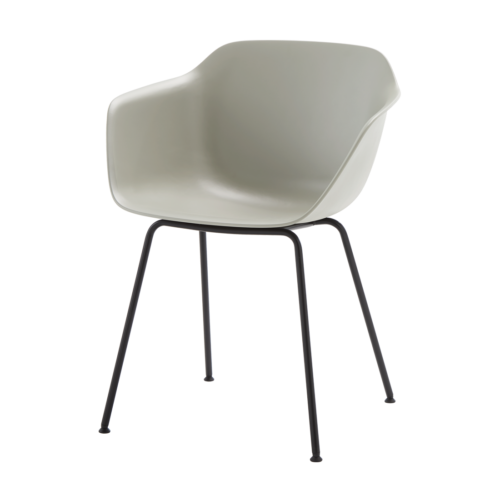
Black Base Office Chairs Without Headrests

Black base office chairs without headrests can be assessed through the practical question of who will use each workstation. The black base establishes an appearance detail, while the missing headrest defines one part of the support arrangement. An office manager still needs to check how the remaining features suit individual users, shared desks and the layout around each seat.

Start by identifying the different activities the seating needs to accommodate. A desk used mainly for screen work may present different assessment tasks from one used for paperwork and frequent conversations. Include those activities in the trial instead of relying on a short, stationary sitting test.

Then review the base itself. Black does not identify a material, colour code, surface texture or sheen. Confirm these details where they affect room coordination or care requirements, and measure the footprint against the available space. Bringing user needs and base information together creates a clearer comparison without treating the colour as a complete construction description.

3 models
From €9.20 p/m
4 models
From €7.99 p/m
5 models
From €23.04 p/m
5 models
From €17.49 p/m
4 models
From €7.79 p/m
12 models
From €7.20 p/m
24 models
From €6.31 p/m
7 models
From €10.48 p/m
6 models
From €14.41 p/m
17 models
From €4.61 p/m
12 models
From €9.08 p/m
2 models
From €16.58 p/m
19 models
From €4.02 p/m
4 models
From €10.99 p/m
6 models
From €13.51 p/m
30 models
From €22.94 p/m
7 models
From €5.41 p/m
16 models
From €7.46 p/m
7 models
From €10.13 p/m
16 models
From €5.21 p/m
14 models
From €5.39 p/m
6 models
From €9.23 p/m

Organise the trial around different users

For a shared workspace, identify representative users and give them a consistent set of activities to try. Ask each person to settle at the desk, work with normal equipment and change position as the role requires. Record their observations individually, including where they feel support and where they encounter unwanted contact.

Black base office chairs without headrests leave the seat and backrest arrangement central to this trial. Check available adjustments directly and note which settings each user needs. The stated combination does not confirm a particular mechanism, lumbar support or armrest configuration, so these features require separate verification before they enter the comparison.

Test clearance as part of desk use

Assess the seating with the workstation arranged as it normally operates. Include desk legs, storage units, cables and any equipment used near the feet. Measure the base footprint and check the space needed to sit down, approach the work surface and leave the seat without disturbing nearby furniture or other users.

Floor contact should also be reviewed directly. A black base description does not identify the components that touch the floor or establish their compatibility with a particular surface. Confirm the intended arrangement and include normal repositioning in the assessment where movement is part of the seating's documented use at the workplace.

Specify black beyond a general colour name

Black base office chairs without headrests provide a broad visual direction without a stated colour code or finish. If room coordination requires a close match, inspect the actual appearance alongside existing furniture. Review the base under normal lighting and ask about surface texture and sheen when those characteristics matter to the project.

Confirm material composition and care guidance separately. Black does not establish metal, plastic, wood or any other construction, and it does not define an appropriate cleaning method. Keep the verified surface details accessible to maintenance staff so routine care follows the actual finish rather than an assumption associated with the colour.

Allocate seating using recorded requirements

Bring the trial findings and room checks together before deciding where seating should be placed. Distinguish individual preferences from measured clearance needs and confirmed operating information. Where users report different experiences, retain the details instead of averaging them into a general rating that conceals the reason for the difference.

Black base office chairs without headrests can then be assessed consistently when teams or desk arrangements change. Keep a short setup guide based on the available controls, together with the care instructions and trial notes. For office chairs moving between workstations, repeat the relevant fit and clearance checks in the new location.

Frequently asked questions

Does black mean a specific colour code?

No particular colour code is established by the black base description. If an exact visual match is required, request more detailed finish information and assess the actual surface. Do not assume equivalence with another black item solely because the same general colour word is used.

Can different people share headrest-free seating?

Assess suitability through individual trials and the adjustments actually available. The absence of a headrest does not determine how well the remaining seat and backrest arrangement fits different people. Record each user's requirements and check whether the confirmed configuration can accommodate them at the intended workstation.

Which base details matter beyond appearance?

Confirm material, dimensions, floor contact components and the relevant care instructions. Review any documented operating limits needed for the workplace as separate evidence. These details explain how the base fits its setting, while the black appearance alone leaves those practical characteristics unspecified.

Explore related selections