

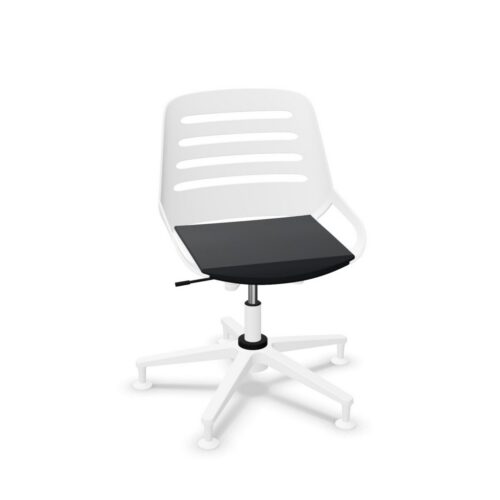
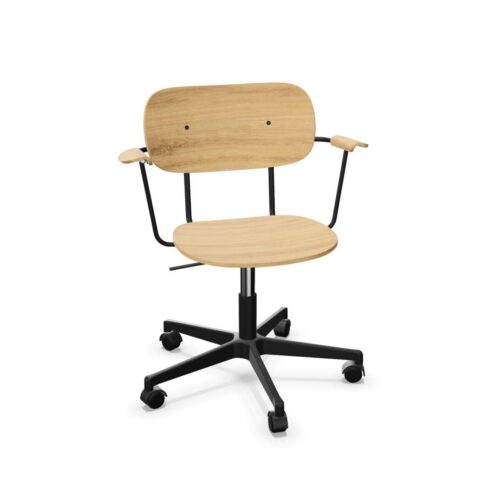
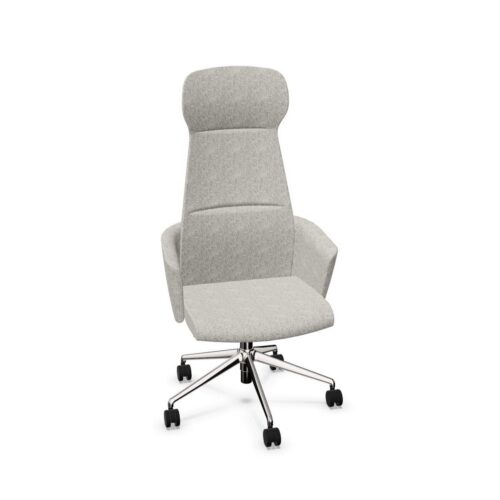
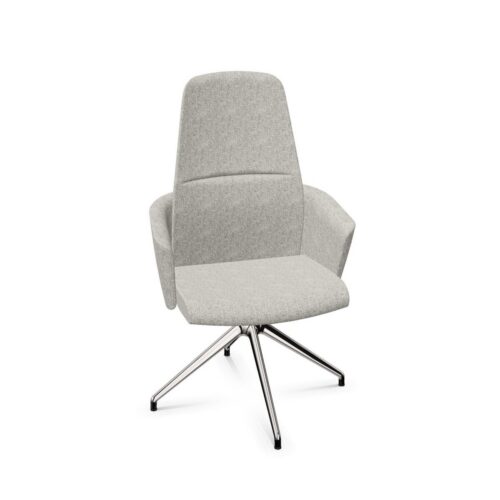
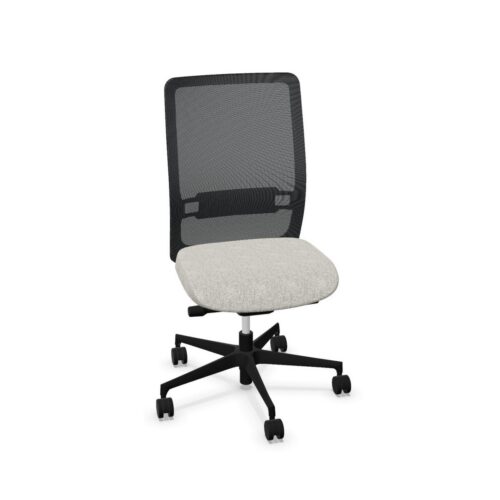
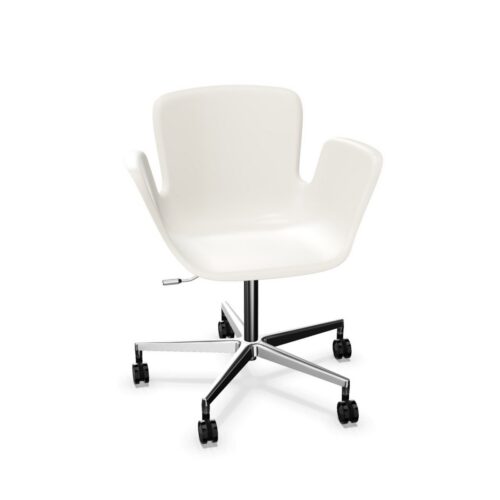
Metal Base Office Chairs Without Headrests

Metal base office chairs without headrests combine a stated base material with an upper seating arrangement that has no headrest. The practical assessment therefore has two starting points: how the chair occupies the space around a desk, and how its seat and backrest suit the user without an additional head contact point. Both deserve direct attention.

Metal identifies a broad material group. It does not establish a particular alloy, base shape, surface treatment or load rating. Before comparing seating on material alone, obtain the dimensions and operating information that relate to the actual workplace, including the floor surface and the space available beneath desks.

The absence of a headrest is equally specific. It does not tell an office manager whether lumbar support, armrests or a movement mechanism are present. Review those features individually, then bring the findings together in a workstation trial that reflects the tasks, people and room layout the seating is intended to serve.

4 models
From €10.49 p/m
6 models
From €10.17 p/m
Price on request
7 models
From €7.54 p/m
2 models
From €17.75 p/m
5 models
From €13.67 p/m
4 models
From €28.11 p/m
5 models
From €23.04 p/m
3 models
From €9.20 p/m
19 models
From €2.38 p/m
2 models
From €13.64 p/m
2 models
From €26.32 p/m
10 models
From €25.85 p/m
2 models
From €41.00 p/m
3 models
From €1.78 p/m
3 models
Price on request
3 models
Price on request
4 models
Price on request
2 models
Price on request
4 models
Price on request

Map the space around the base

Begin with the desk footprint and the routes people use to enter and leave their seats. Measure the available space rather than judging fit from the seat alone. Check the base's outer dimensions, its relationship to nearby furniture and the clearance around footrests or other equipment used at the workstation.

Metal base office chairs without headrests need this spatial assessment just as much as a support assessment. Base material does not reveal the shape or size beneath the seat. If several workstations sit close together, repeat the check with adjacent seating occupied and with storage units in their usual positions.

Separate metal composition from documented capability

Ask which metal and surface treatment are specified where those details affect workplace requirements. Keep the answer distinct from any evidence about permitted loading, testing or intended use. A material description alone cannot establish those characteristics, and an apparently substantial base should not replace a review of the relevant documentation.

Examine the complete base arrangement, including its connection to the rest of the chair and any floor contact components. Confirm whether movement across the floor is intended and which components are appropriate for that surface. Avoid treating the word metal as evidence of a particular weight, maintenance routine or service life.

Evaluate support below the head

Metal base office chairs without headrests leave the seat and backrest relationship central to the fit assessment. Observe the user during their usual desk activity and check where the backrest makes contact. Ask about unwanted pressure, limited movement or a need to shift position to reach the work comfortably.

Review any available adjustments individually. Neither the base material nor headrest absence confirms seat height movement, backrest settings or lumbar support. For office chairs used across different roles, include a representative task from each role. Document which users can achieve a suitable arrangement and which aspects remain uncertain after the trial.

Connect room checks with ongoing care

A final room inspection should cover more than the appearance of the base. Check access to controls, nearby cables and the clearance needed to move away from the desk. Confirm the care instructions for the specified metal surface and for any separate floor contact components before defining the maintenance routine.

Metal base office chairs without headrests can then be compared using a consistent record of dimensions, fit observations and confirmed specifications. Keep outstanding questions visible rather than filling them with assumptions about metal construction. This gives the office manager a practical basis for allocation and a reference when layouts or users change.

Frequently asked questions

Does a metal base mean steel?

Metal is broader than a particular metal type. The supplied description does not identify steel, aluminium or another composition. Ask for the exact material where it matters to the workplace, and review any associated care or performance information separately from that description.

Does headrest absence determine the backrest height?

No backrest height is established by the absence of a headrest. Request the relevant dimensions and assess the backrest with the intended user seated at a representative desk. Include ordinary working movements so the assessment reflects more than a stationary seated position.

What needs checking for different floor surfaces?

Confirm the floor contact components and their intended compatibility with the actual surface. The metal base description does not establish this. Include movement, positioning and any required floor protection in the assessment, using the instructions associated with the exact seating arrangement.

Explore related selections