

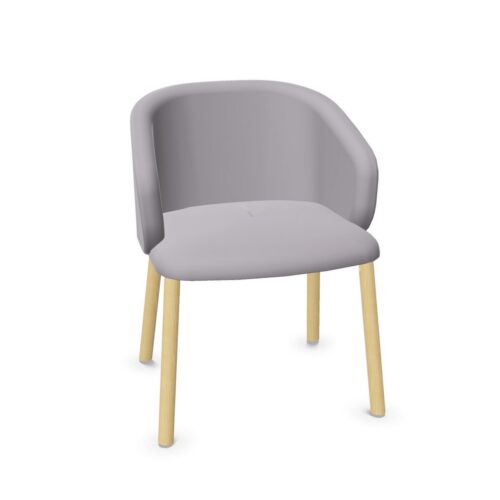
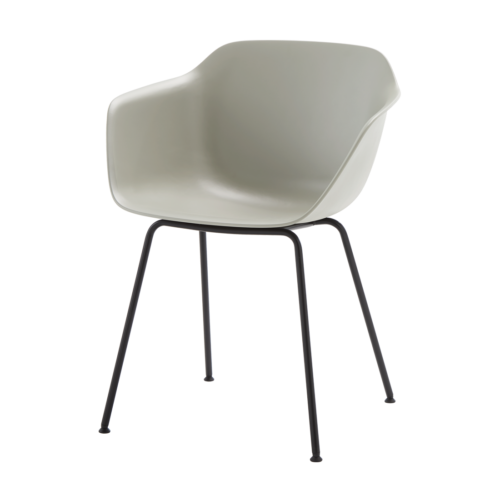
Lounge Furniture With Wood Bases and Plastic Bases

lounge furniture with wood bases and plastic bases pairs a wood-colored appearance with plastic base material. For a shared workplace lounge, this combination is best assessed through the way color and outline repeat across the seating arrangement. A base can be a small detail on an individual chair yet become visually prominent when the same detail appears throughout a room. Consider that cumulative effect early, especially in lounges containing several distinct conversation areas.

Begin with the actual appearance of the base rather than expectations associated with either wood color or plastic. Confirm the tone, examine the visible shape, and compare the base with the seating above it. Then review the pieces together against the intended surroundings. This approach gives the project team a clear basis for deciding whether the combination should establish continuity across the lounge or support a more varied arrangement with a shared color reference.

3 models
From €16.85 p/m
5 models
From €10.11 p/m
17 models
From €4.61 p/m
2 models
From €13.10 p/m
3 models
From €24.35 p/m
2 models
From €3.26 p/m
4 models
From €27.18 p/m
2 models
From €28.99 p/m
3 models
From €31.06 p/m
2 models
From €18.53 p/m

Arranging lounge furniture with wood bases and plastic bases

Think about repetition before focusing on individual pieces. When a base detail appears across a room, its color and outline become part of the overall visual rhythm. Place the proposed seating forms into the layout and review how often the base will be visible from the entrance and adjoining areas. Consider whether the repeated wood color creates the intended continuity. If the arrangement includes different seating forms, examine how their bases relate when seen together. This allows the combination to support the room's organization rather than leaving the lower part of the furniture visually unresolved.

Assess wood color on its own terms

Wood color is an appearance requirement, while plastic identifies the base material. Keep those roles clear when discussing the furniture. Review the actual tone and any visible pattern against the surrounding finishes. A familiar color description does not guarantee an exact match with another element in the room. Use representative samples where possible and compare them in the same lighting. Decide whether the project calls for a close relationship or an intentional difference. Recording that decision gives the team a more useful reference than a broad expectation that all wood-colored elements should look alike.

Balance repeated color with varied forms

For lounge furniture with wood bases and plastic bases, a consistent base color can provide a visual thread through a varied seating arrangement. That does not require every piece to have the same silhouette. Compare how each base sits beneath its seat and how strongly its outline contributes to the group. Look for differences that appear deliberate. Where a particular base attracts more attention, decide whether it deserves that role in the composition. Evaluate the arrangement as a whole before making decisions about isolated pieces, especially when the lounge remains visible from a shared workplace area.

Use a focused review process

Structure the review around a few clear questions: does the wood color relate to the intended interior, does the base outline suit the furniture, and does repetition improve the overall arrangement? Keep these questions separate from assumptions about how plastic should look or perform. The material term alone does not establish those qualities. Gather the relevant visual references into one project brief and note any unresolved appearance details. Resolve those details before confirming the design direction. A focused brief helps different participants compare the same qualities and keeps discussions tied to the actual lounge setting throughout the process.

Frequently asked questions

Does wood color mean the base contains wood?

The combination establishes wood color and plastic base material. Any additional construction detail needs separate confirmation. Evaluate the visible finish directly rather than inferring composition from its appearance.

Why consider repetition across the room?

Repeated bases can become a noticeable part of the lounge composition. Reviewing them together helps establish whether their color and outline create the intended visual rhythm.

What is the most useful comparison method?

Review lounge furniture with wood bases and plastic bases in complete seating groups. Compare consistent views, surrounding finishes, and the cumulative effect of the base details.

Explore related selections